Track days, or High Performance Driving Education (HPDE), are the gold standard for drivers looking to take their street car onto a race track in a safe, structured environment. Unlike wheel-to-wheel racing, HPDE is focused on instruction and car control, not competition.
If you’re ready to hear your tires protest for the first time, here is your step-by-step guide to getting started.
1. Find an Event and Organization
The easiest way to start is to join an established club that offers certified instructors. These organizations handle the track rental, insurance, and scheduling.
- National Clubs: Look for SCCA (Sports Car Club of America) chapters.
- Marque Clubs: Organizations like the BMW Car Club of America (BMW CCA) or the Porsche Club of America (PCA) often allow other car makes to join their events.
- Registration: Use sites like MotorsportReg to find a calendar of events at tracks near you.
2. Prepare Your Vehicle
Most modern, well-maintained streetcars are track-ready. However, you must pass a Technical Inspection with some organizations. Either way, it is always good to check a few things.
- Fluids: Ensure your oil is fresh and your brake fluid is high-temperature rated (DOT 4).
- Brakes: Check that your pads have at least 50% life remaining. You will chew through brake pads!
- Tires: Ensure they are in good condition. Like brake pads, you’ll rip through tires like you’ll rip through laps.
- Loose Items: Remove all loose items from your car before the tech inspection. This may include floor mats, spare tires, and garage door openers. Besides, who wants the extra weight?
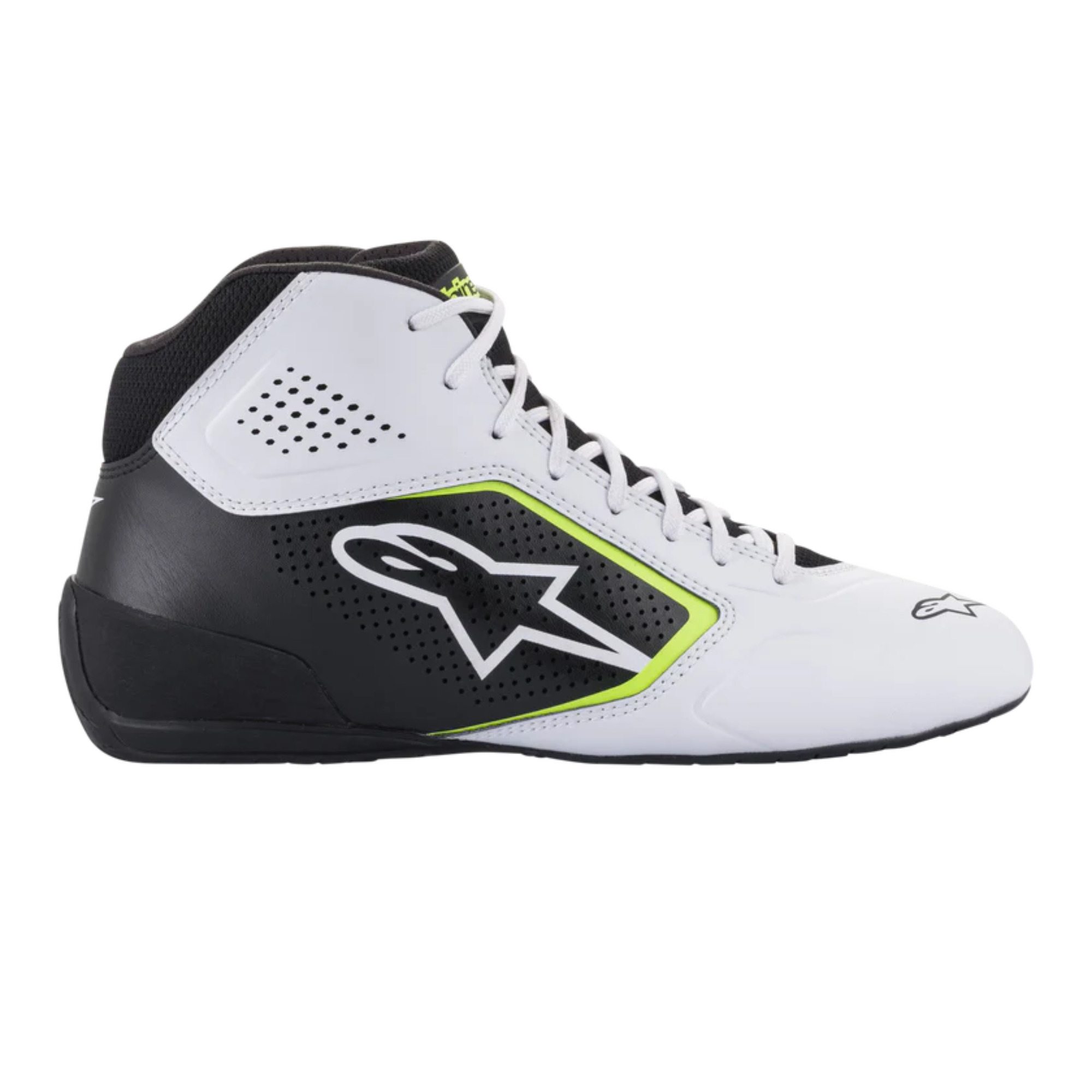
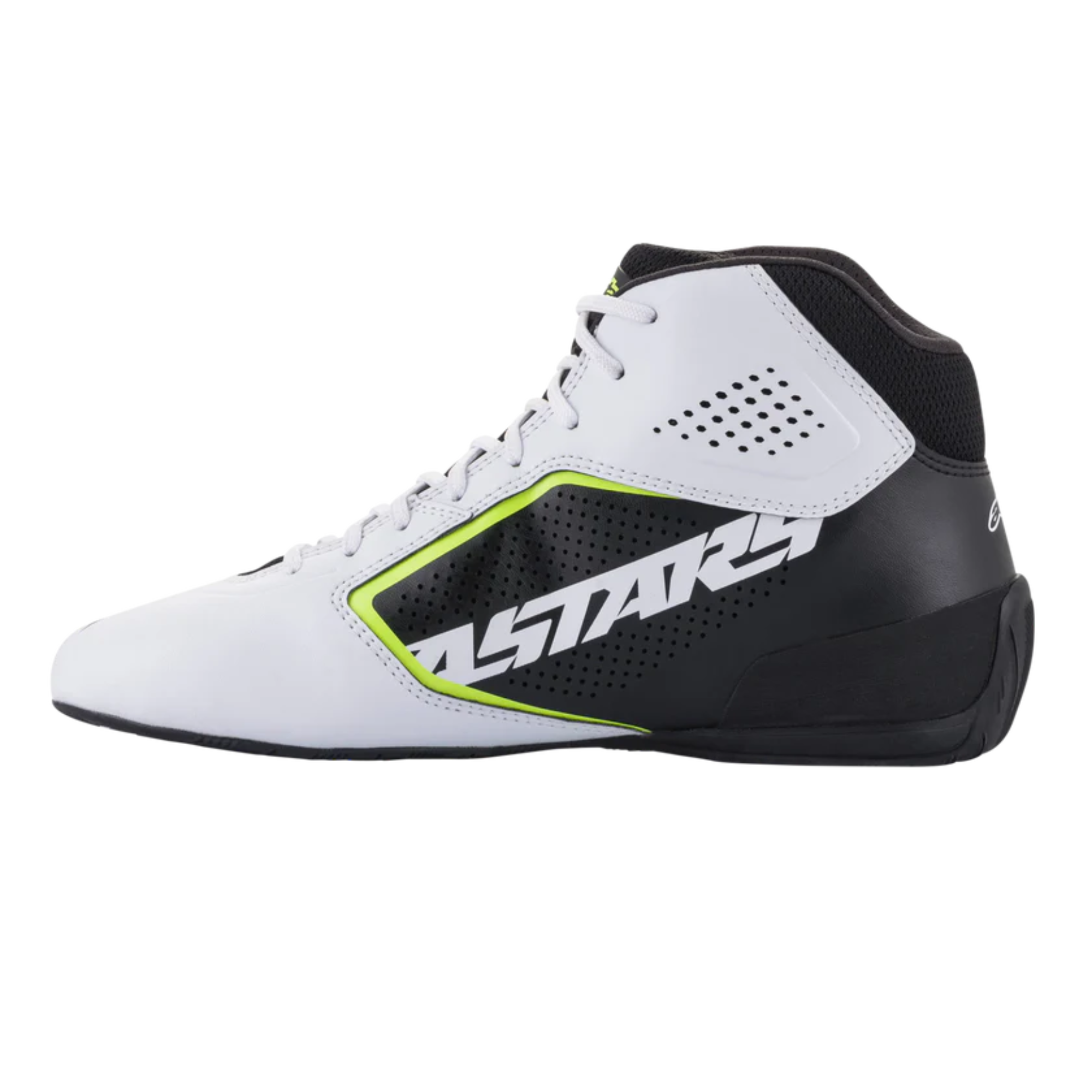
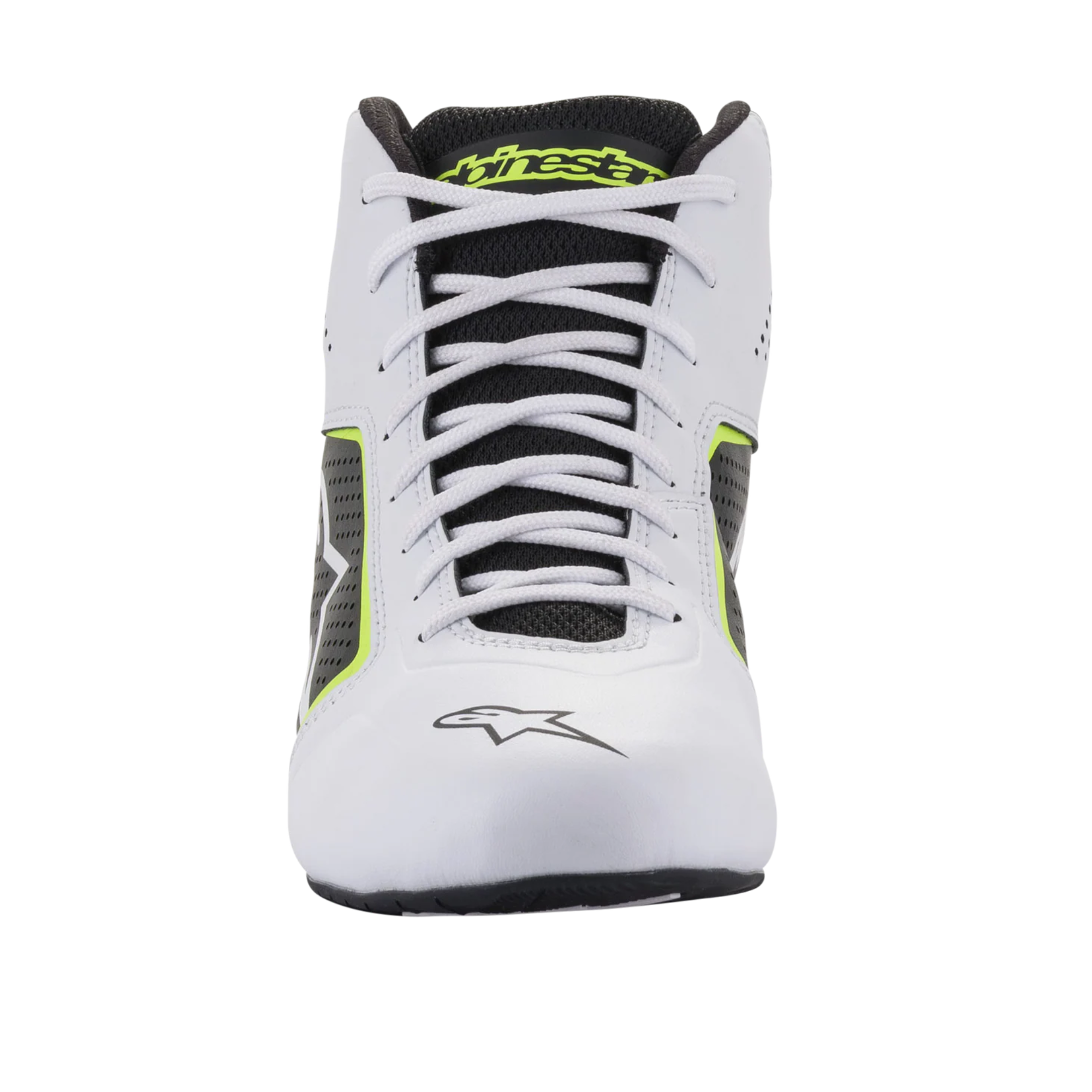
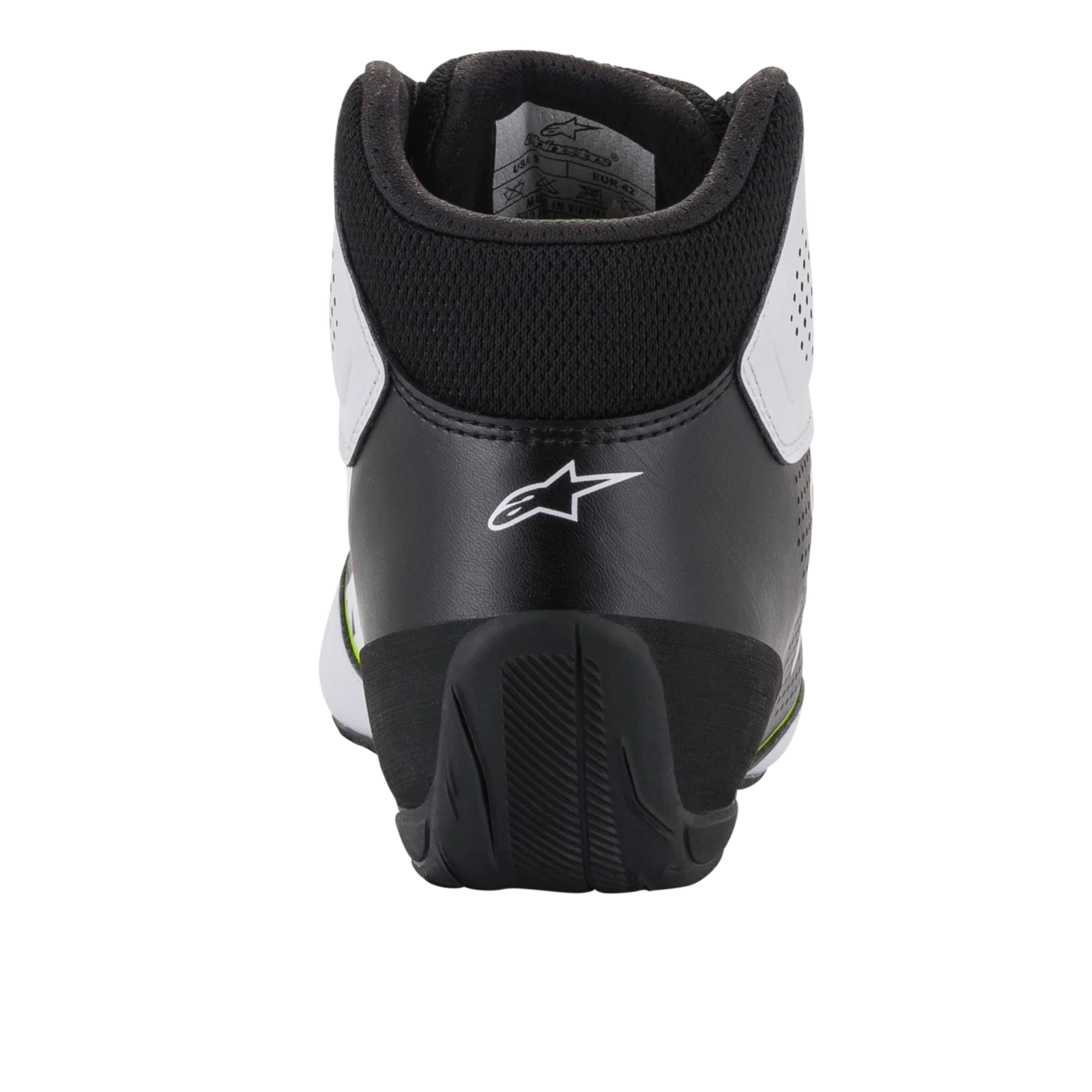
3. Acquire the Essential Gear
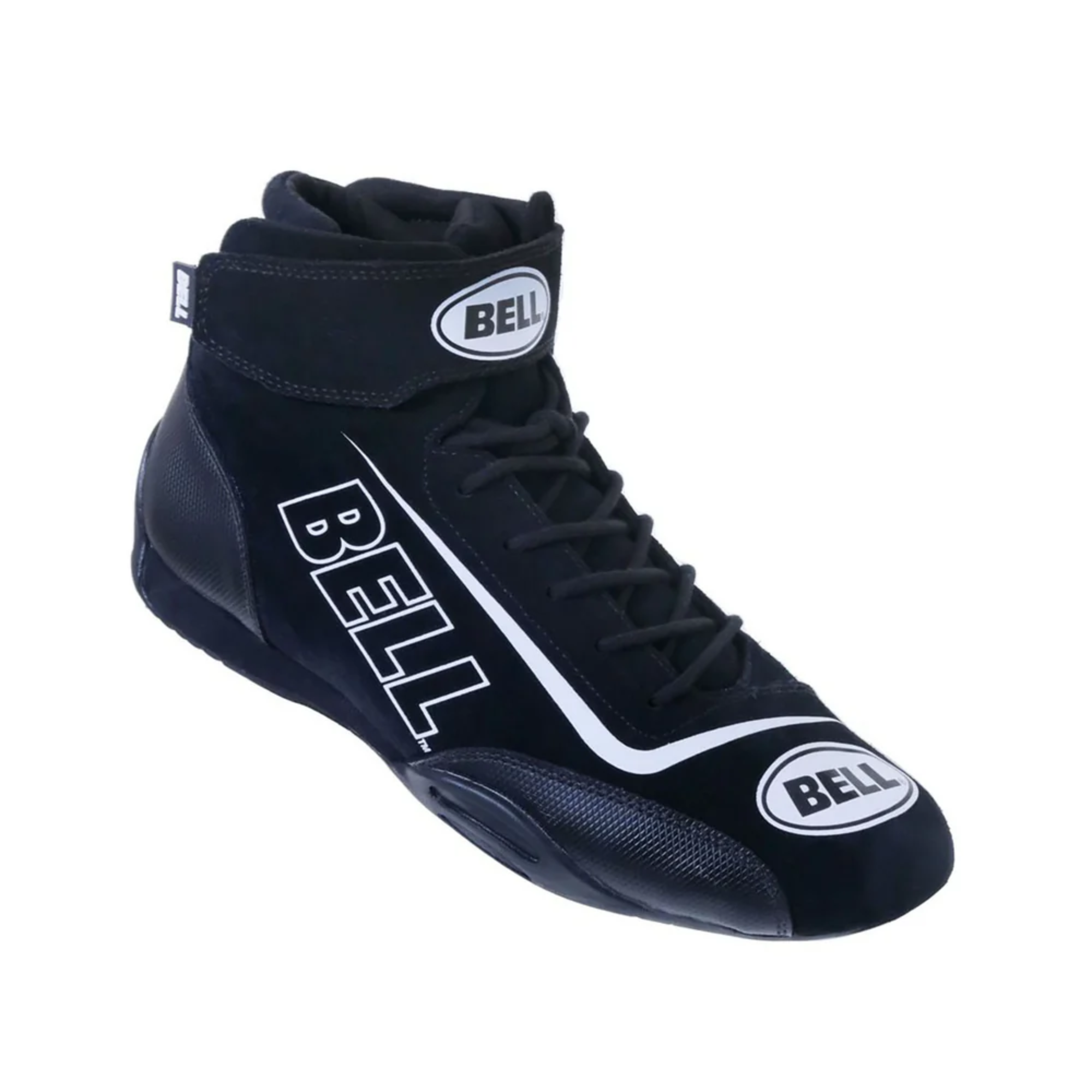
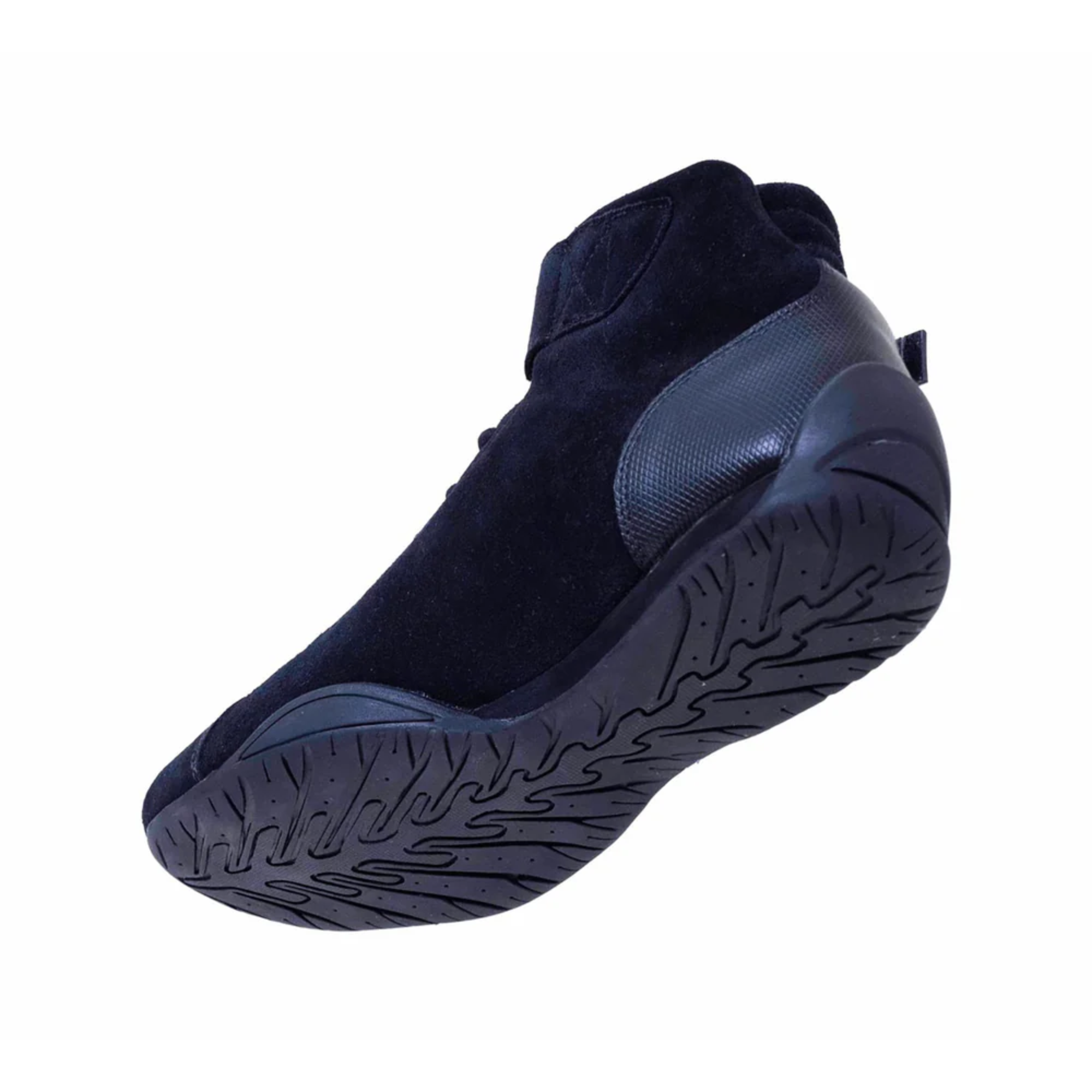
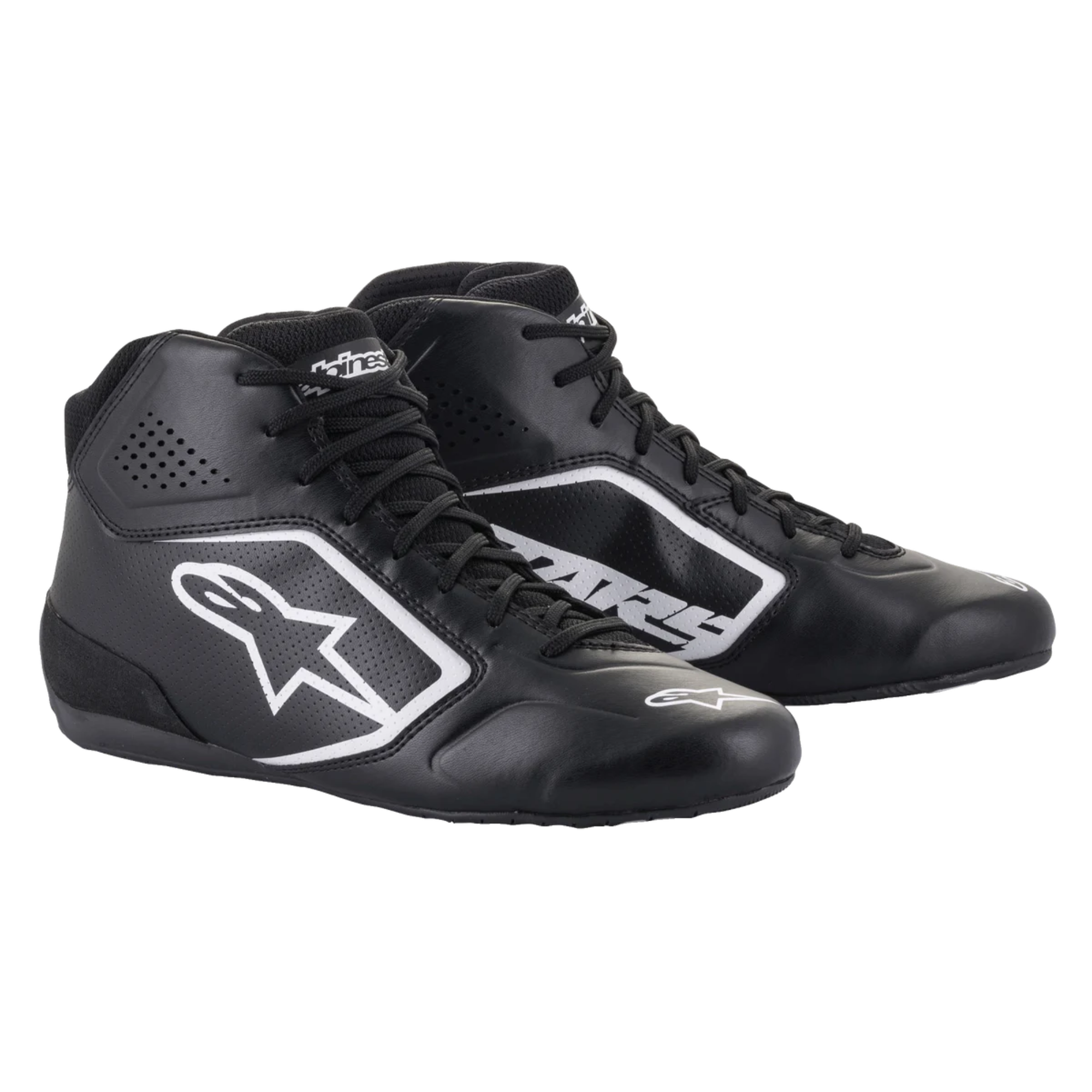
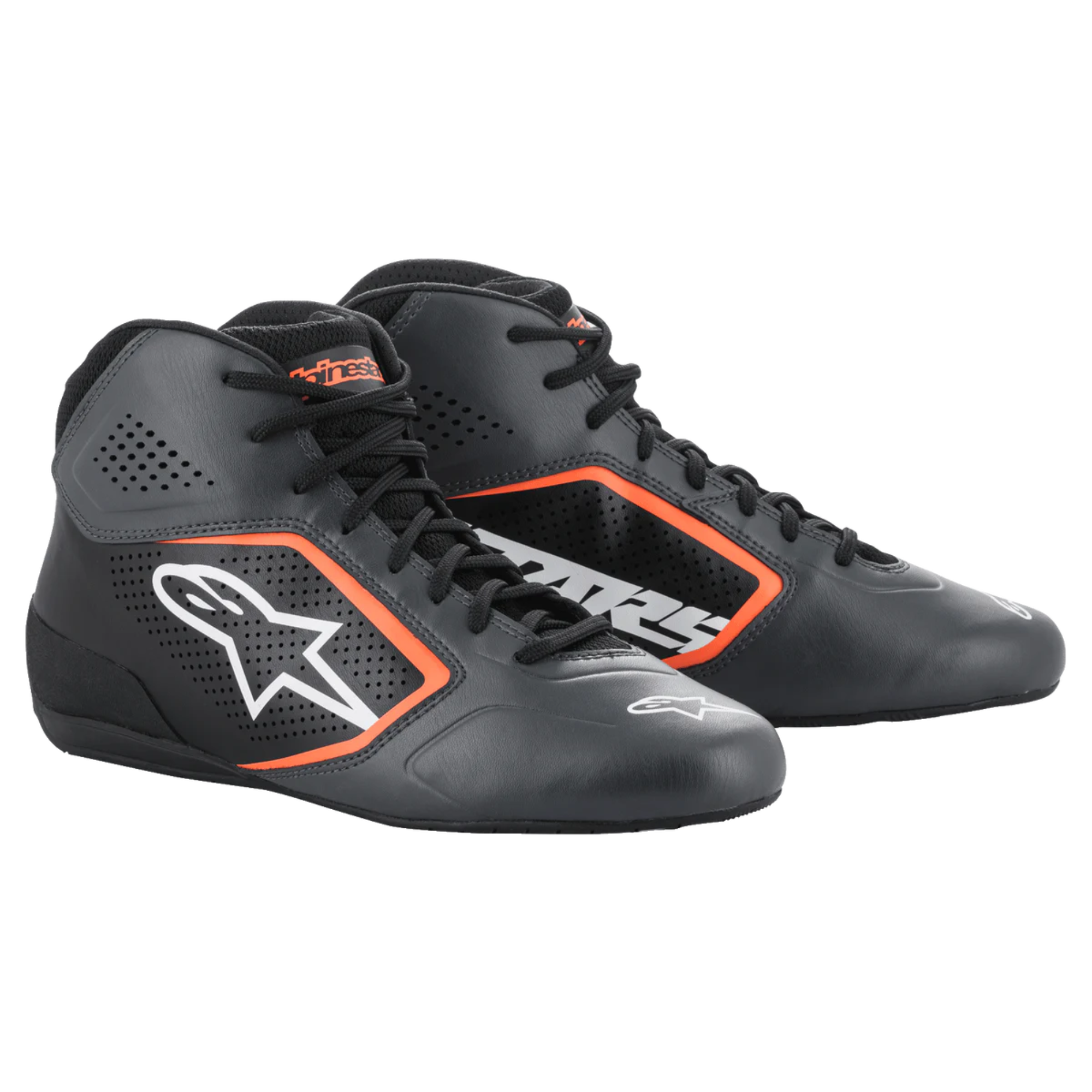
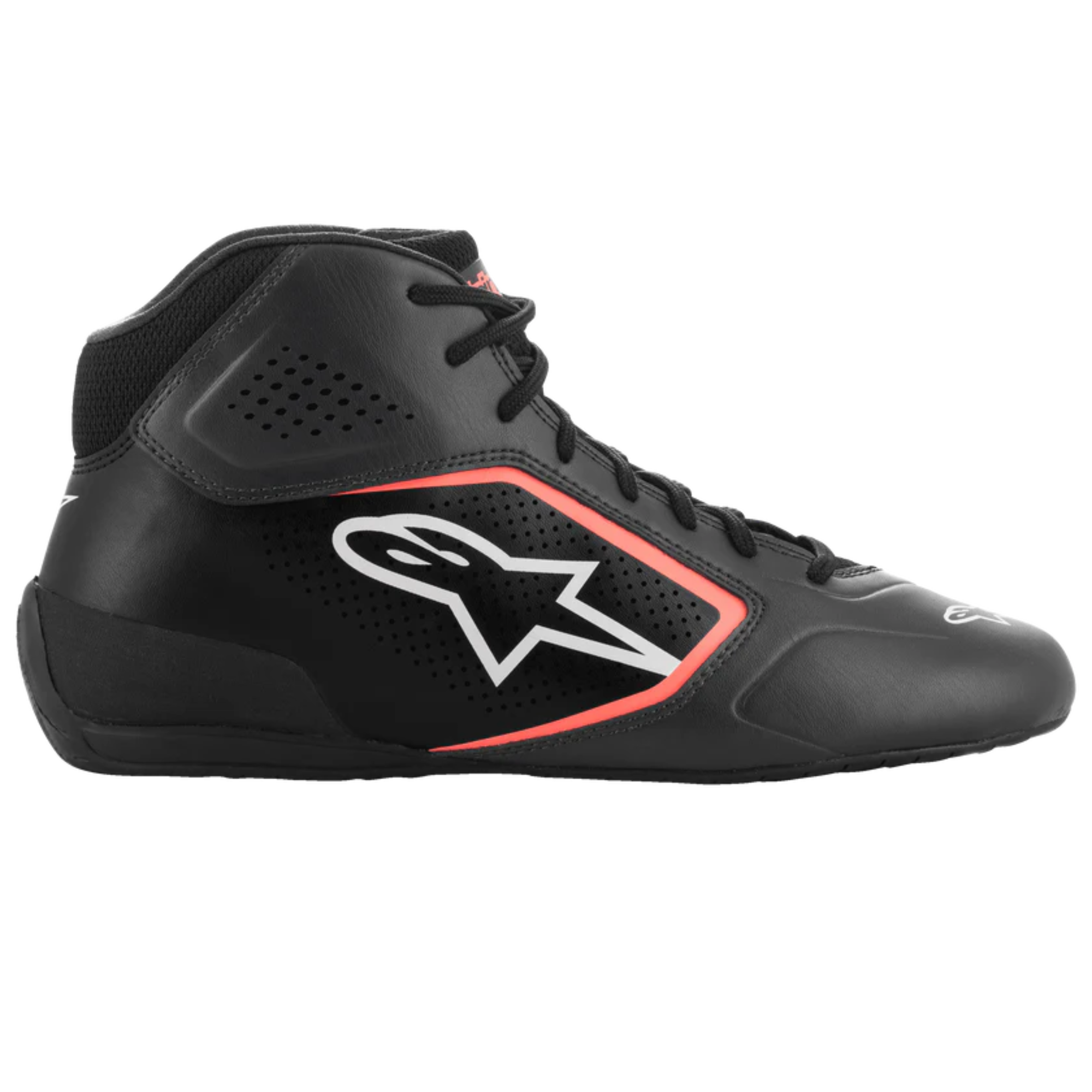
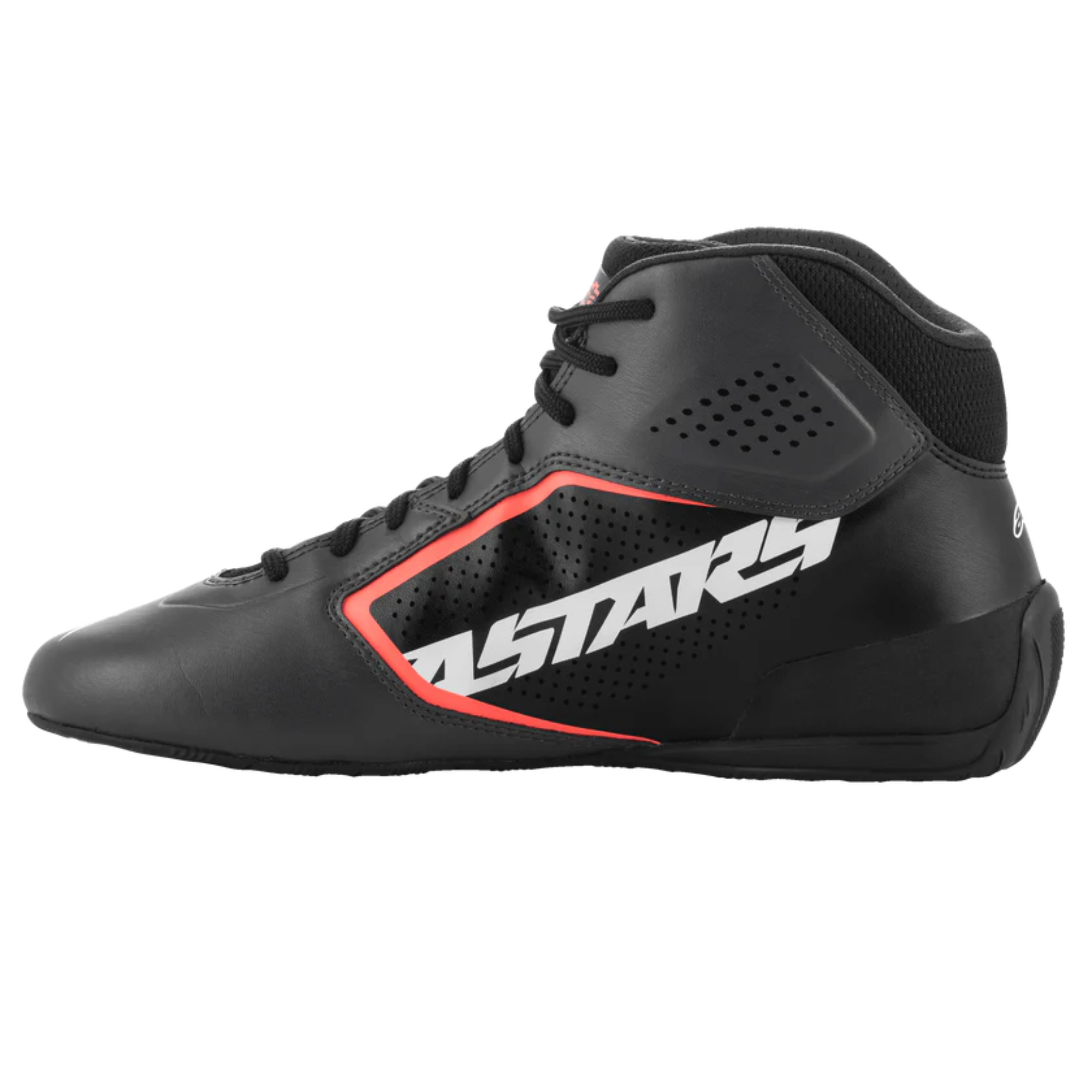
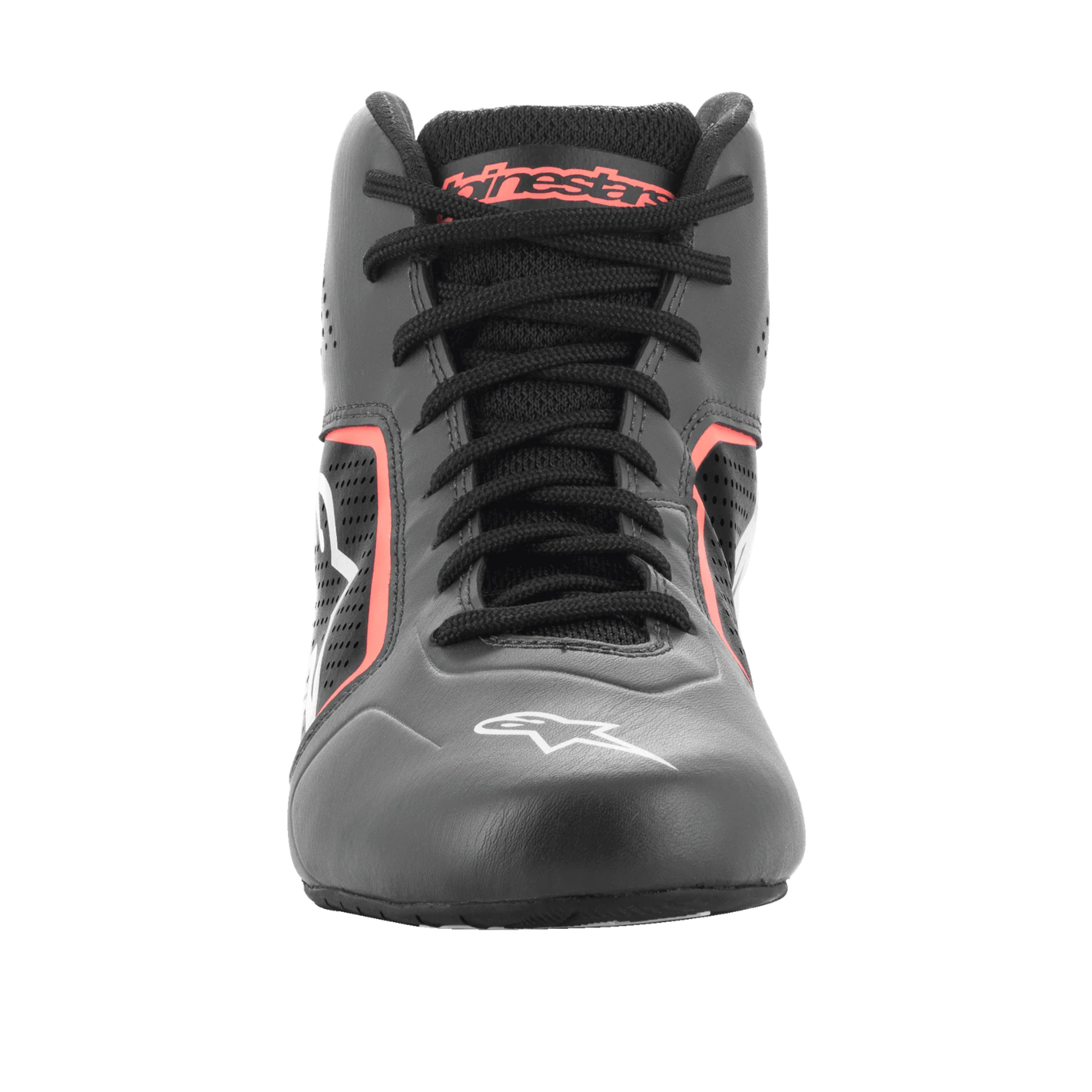
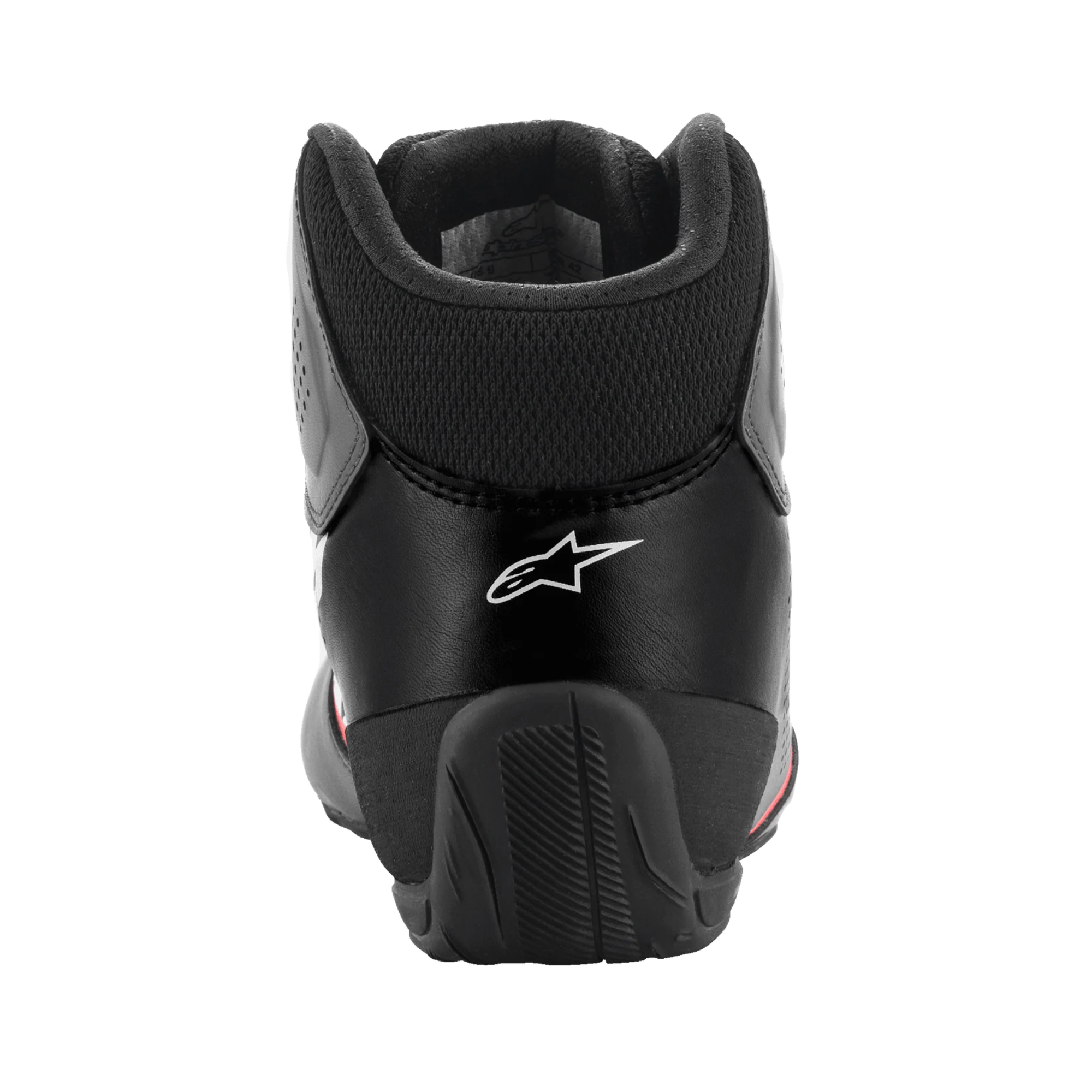
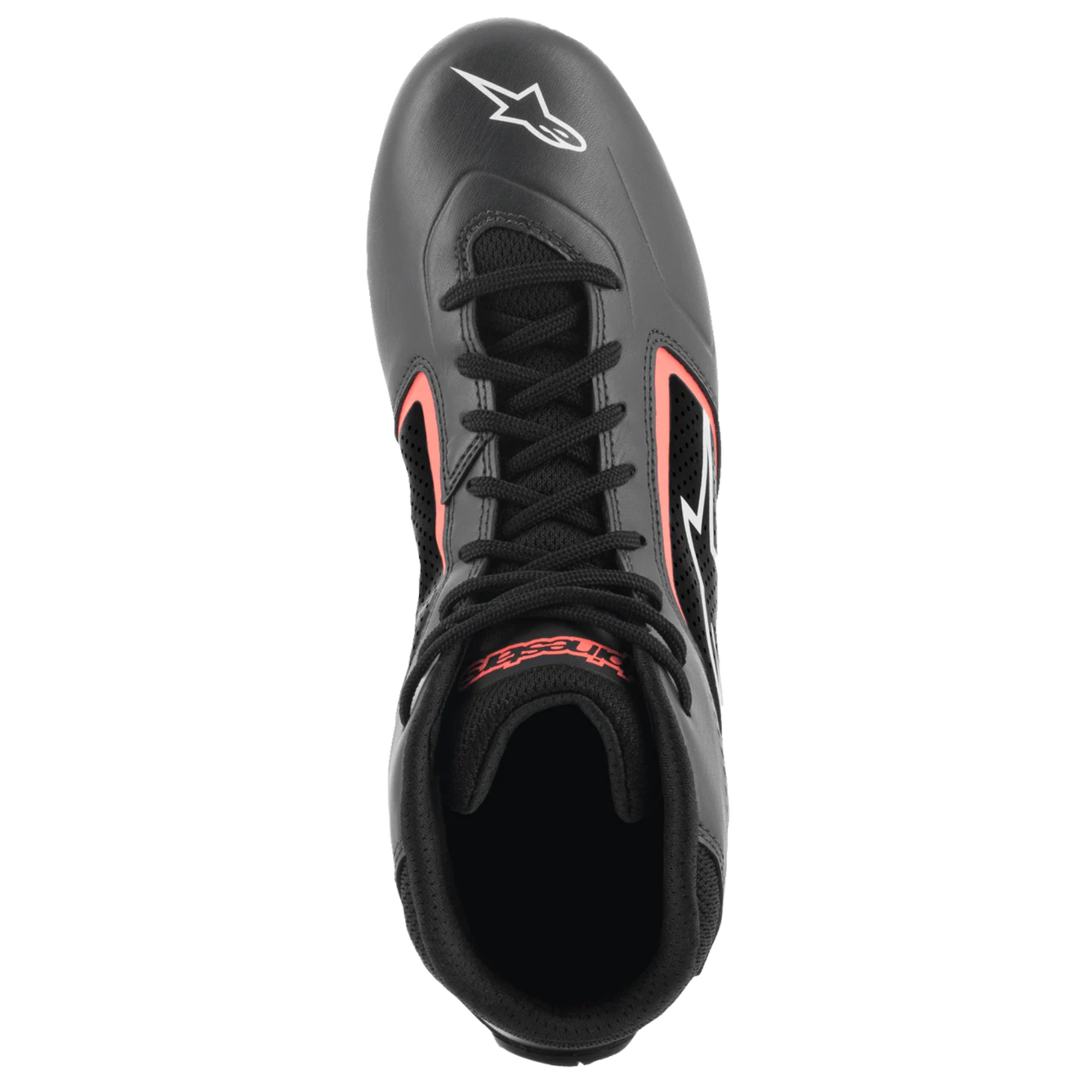
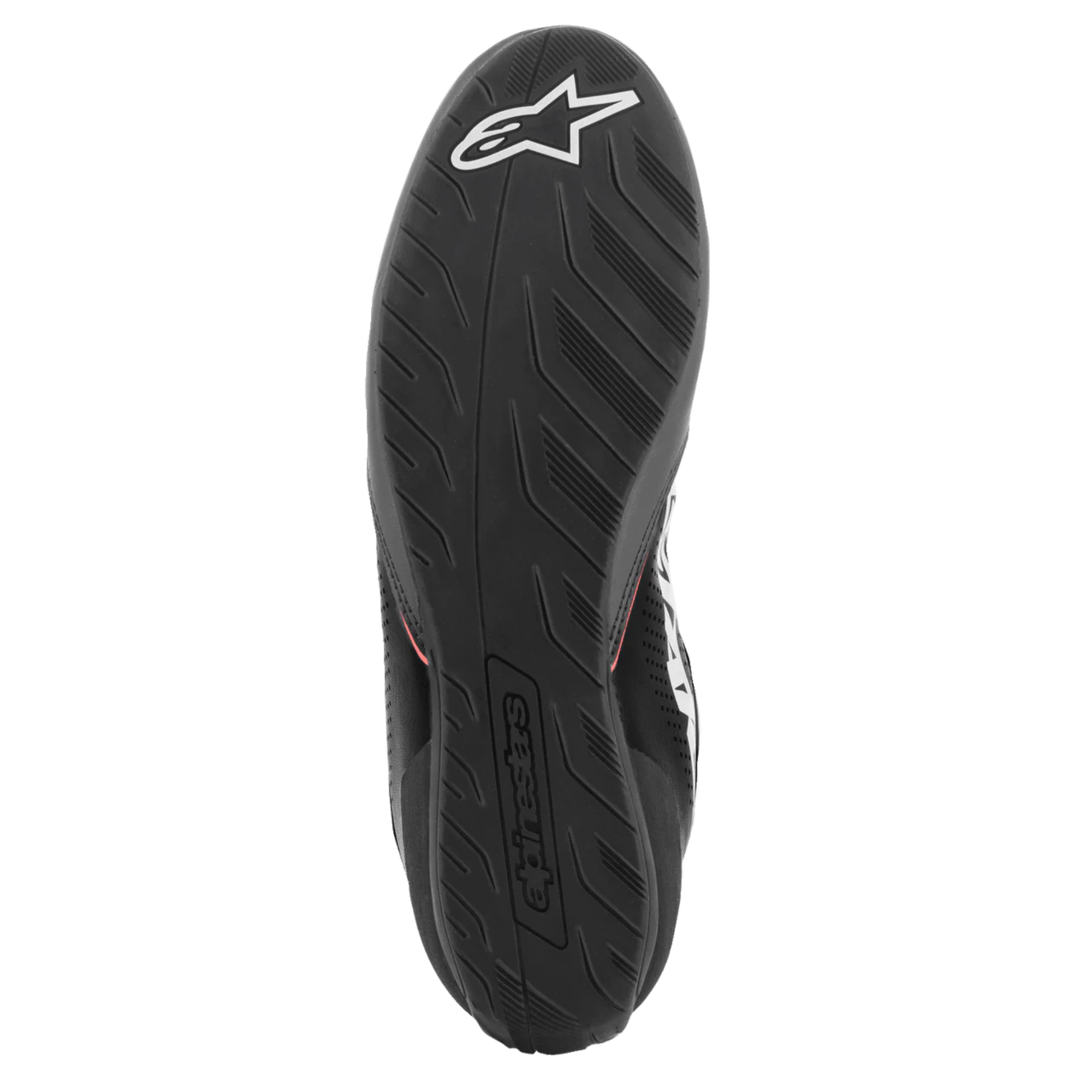
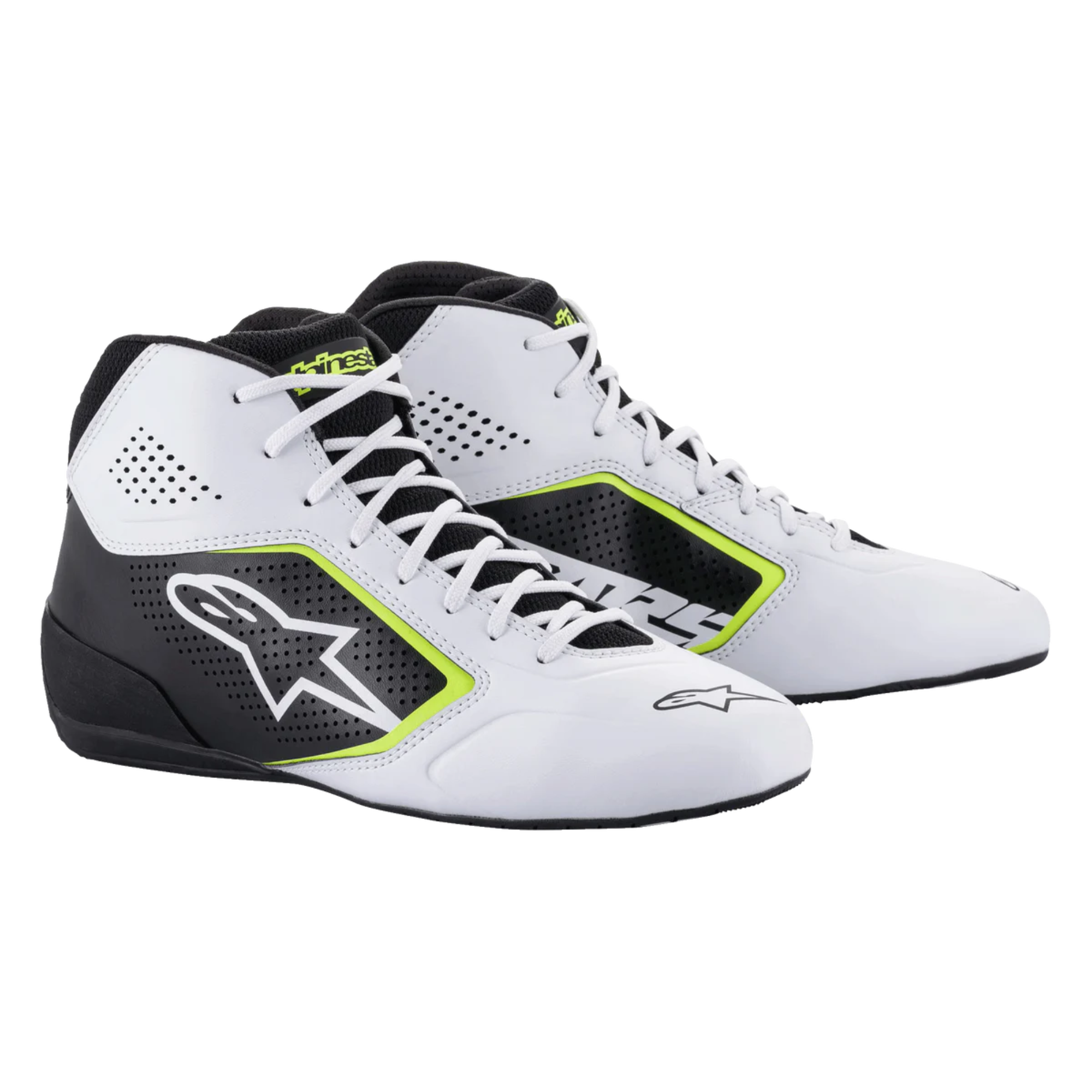
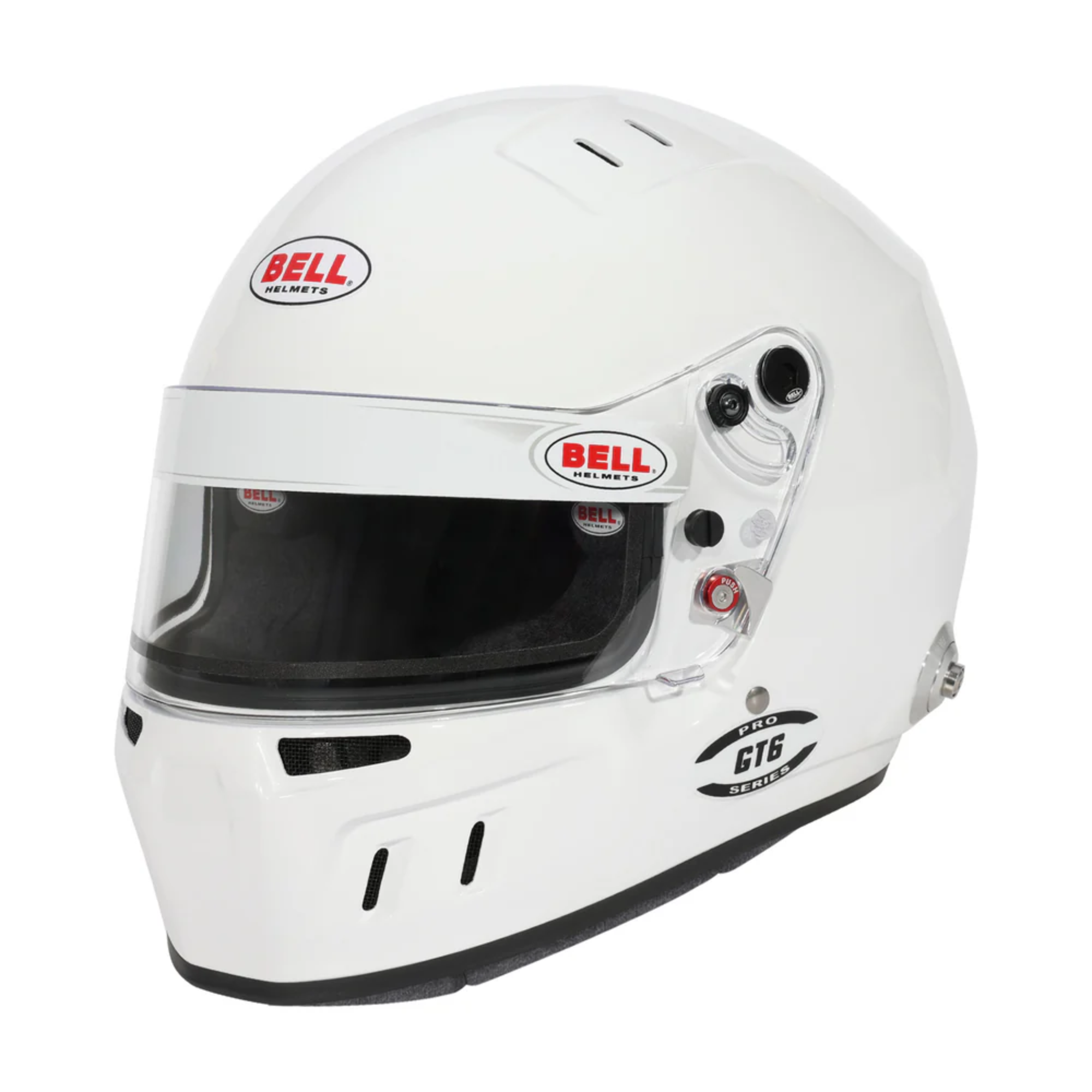
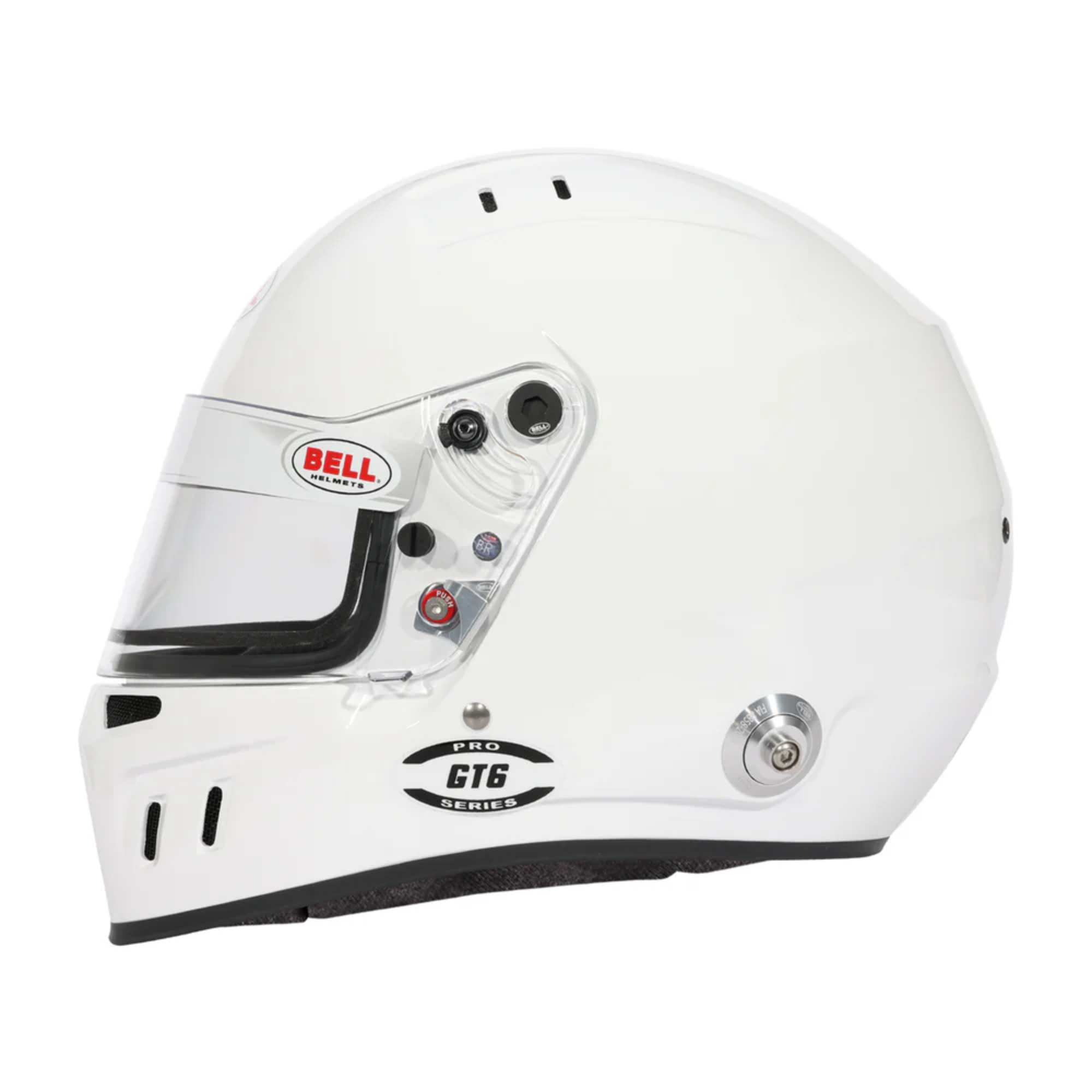
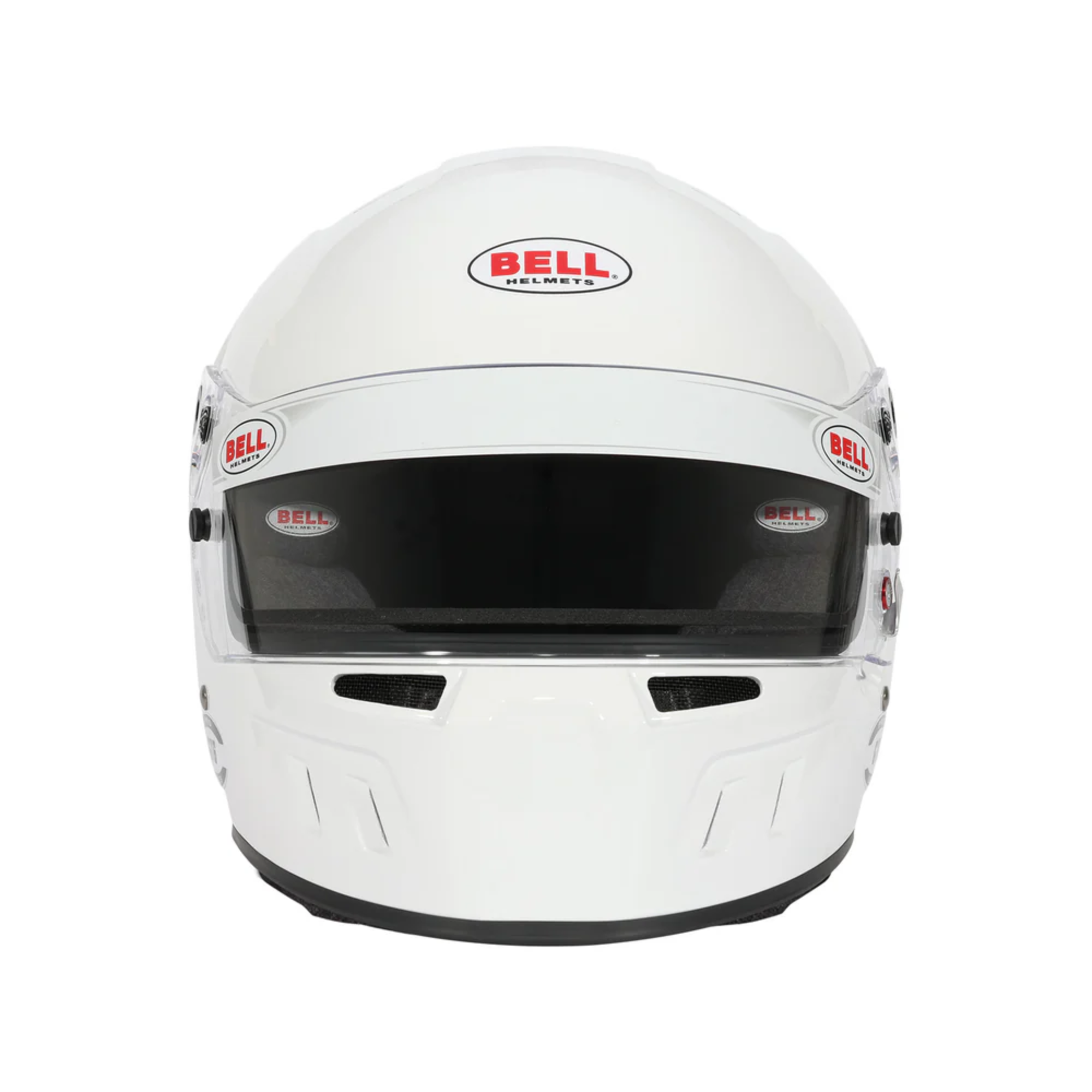
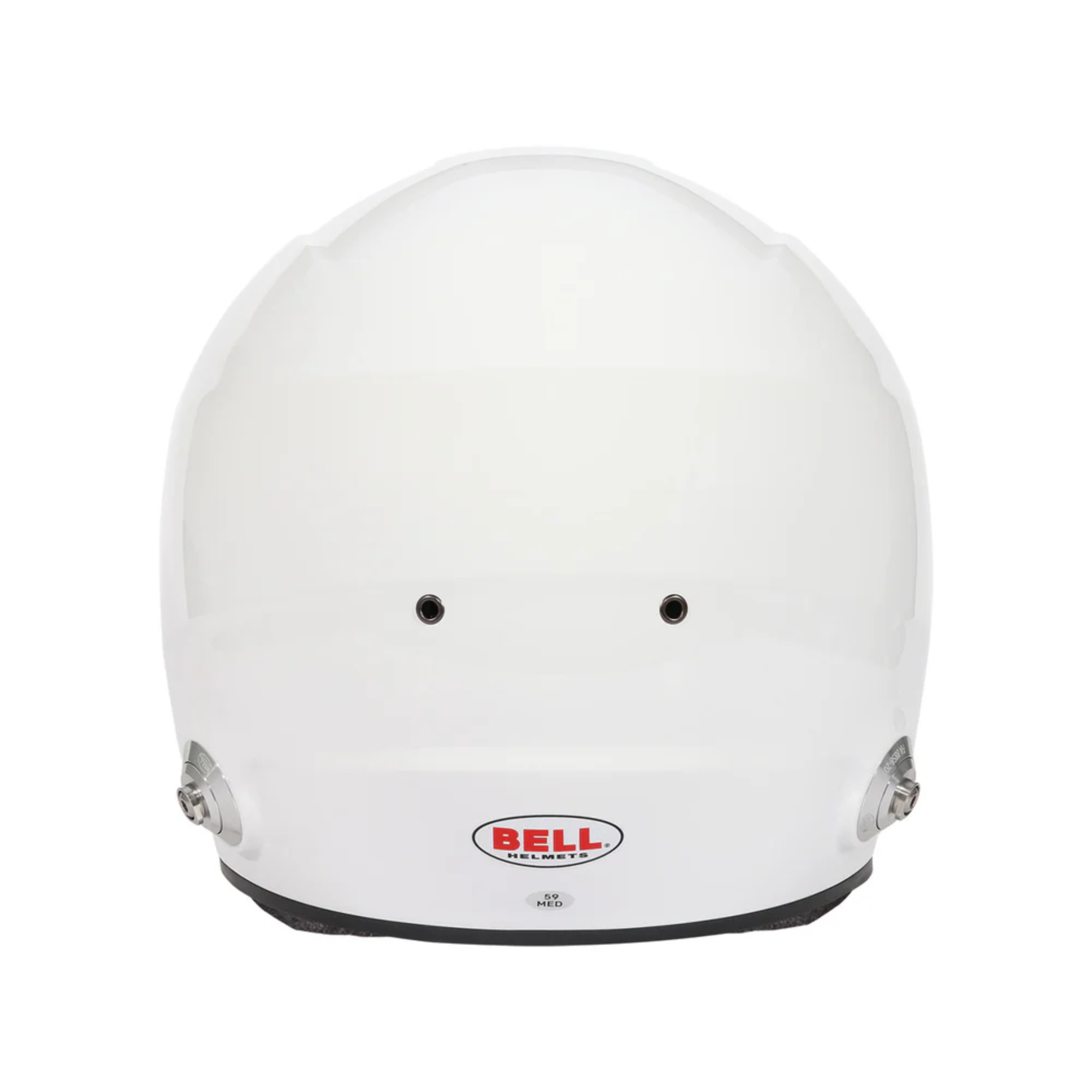
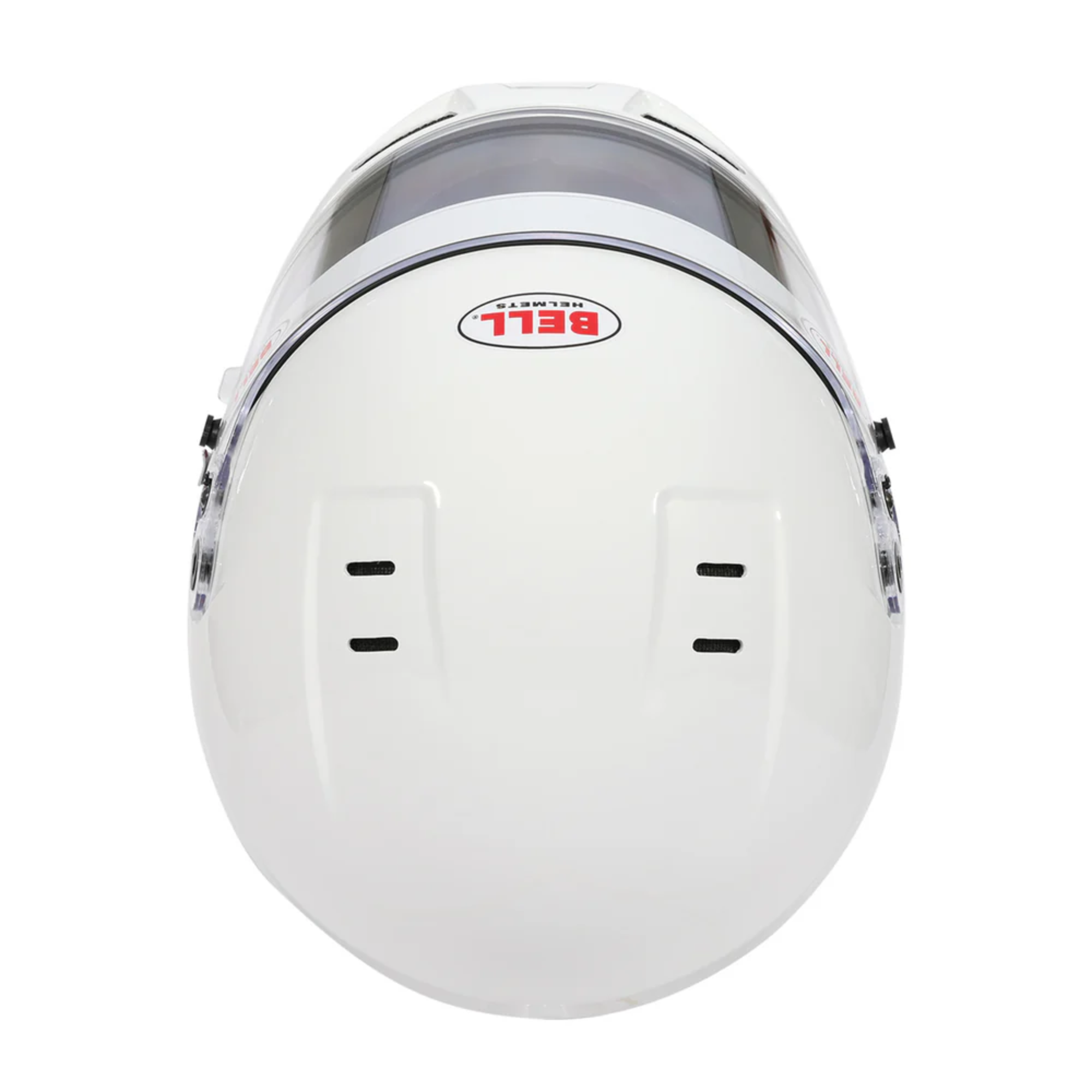
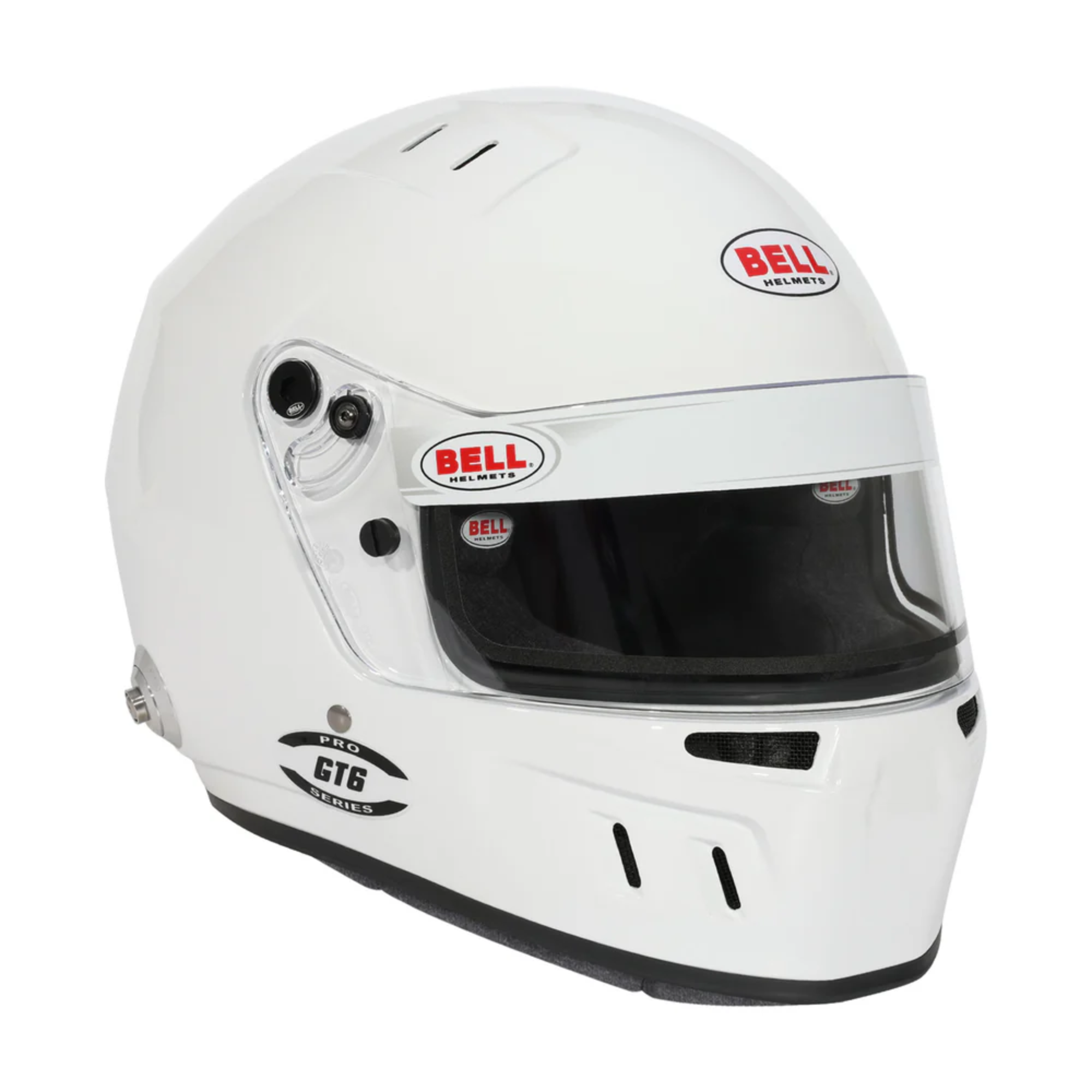
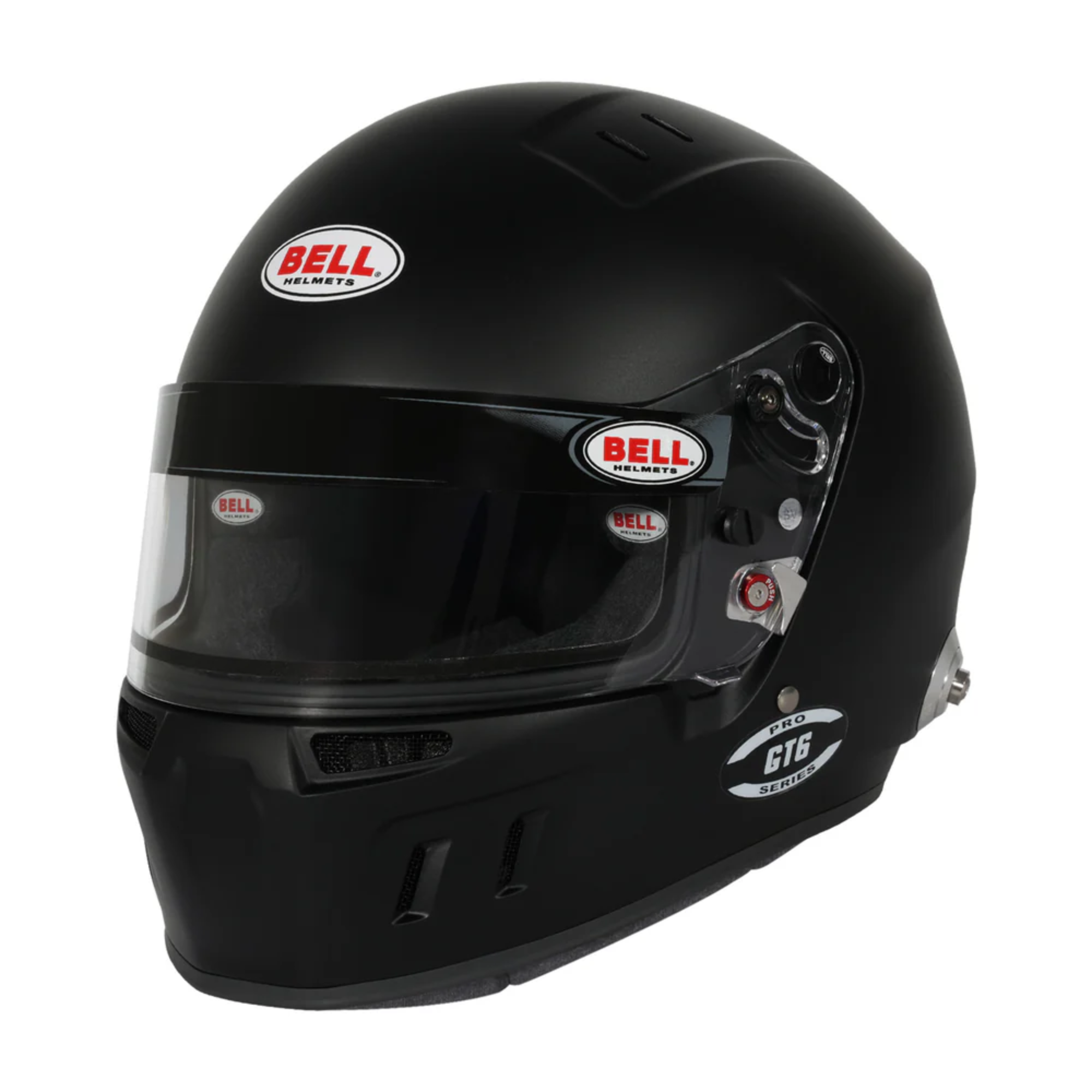
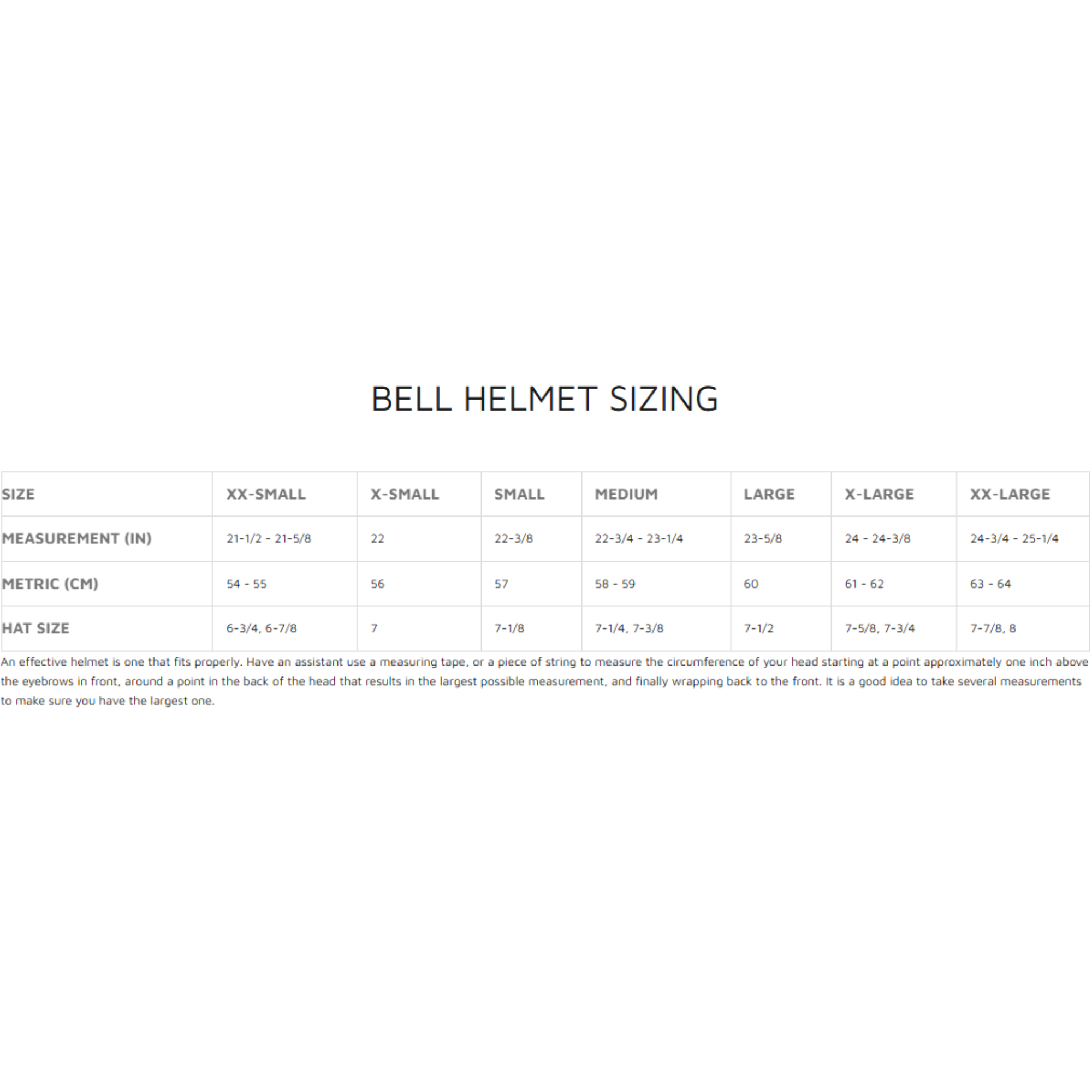
Safety is the priority. While most clubs provide a "loaner" helmet, having your own ensures a proper fit and better hygiene. You specifically need an SA-rated (Special Application) helmet, which is fire-rated, unlike motorcycle-only (M-rated) helmets.
The G-Force Rift SA2020 Helmet or Bell M.8 SA2020 Helmet is an excellent entry-level choice for HPDE. It features a lightweight shell and a plush, fire-retardant interior, providing professional-grade safety at an accessible price point.
While not required, for maximum cockpit safety, we recommend the Alpinestars ZX Evo v2 Fire-Resistant Racing Balaclava. This balaclava is engineered with advanced Lenzing FR® fibers to provide superior fire resistance and thermal protection, ensuring a critical extra layer of safety that meets the latest safety standards.
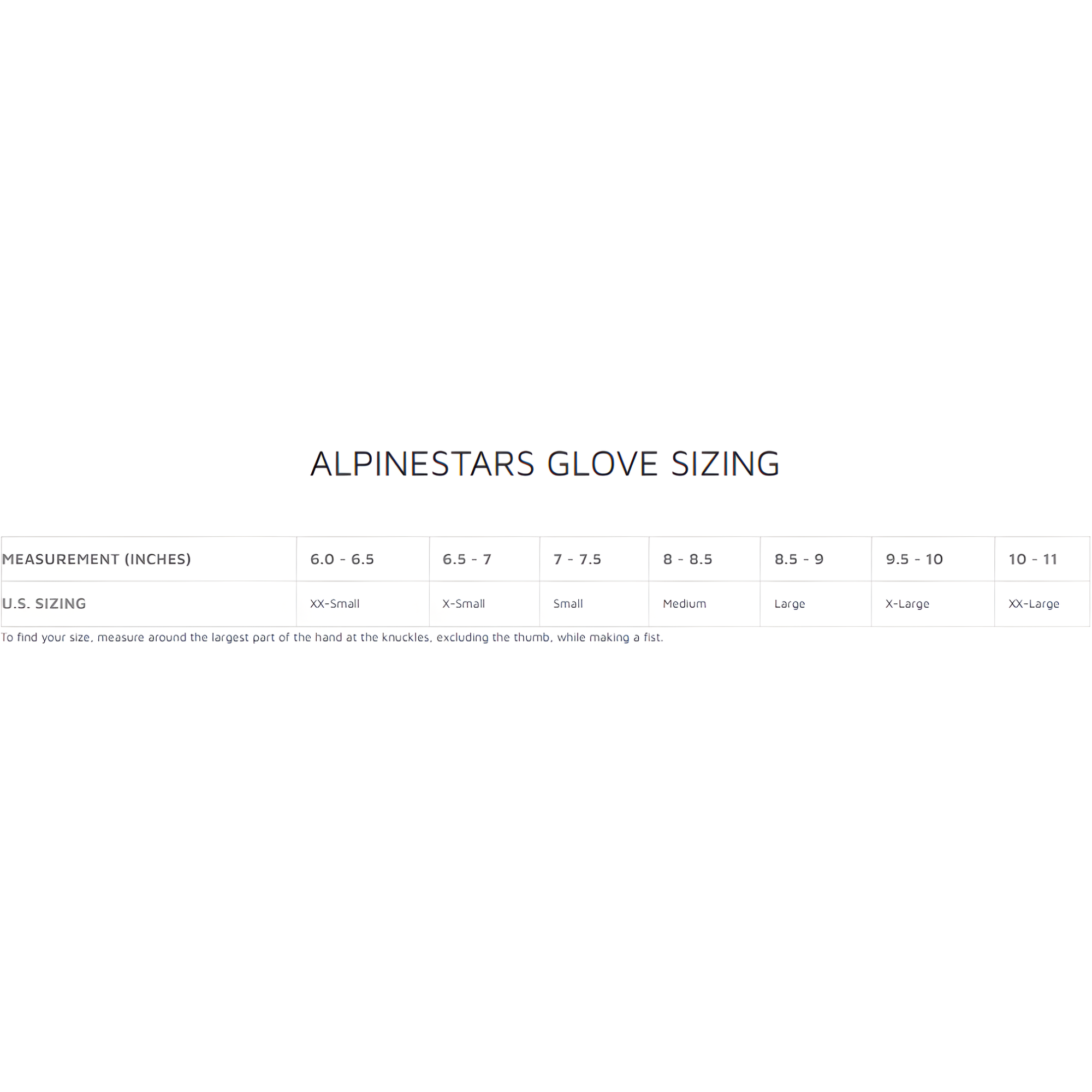
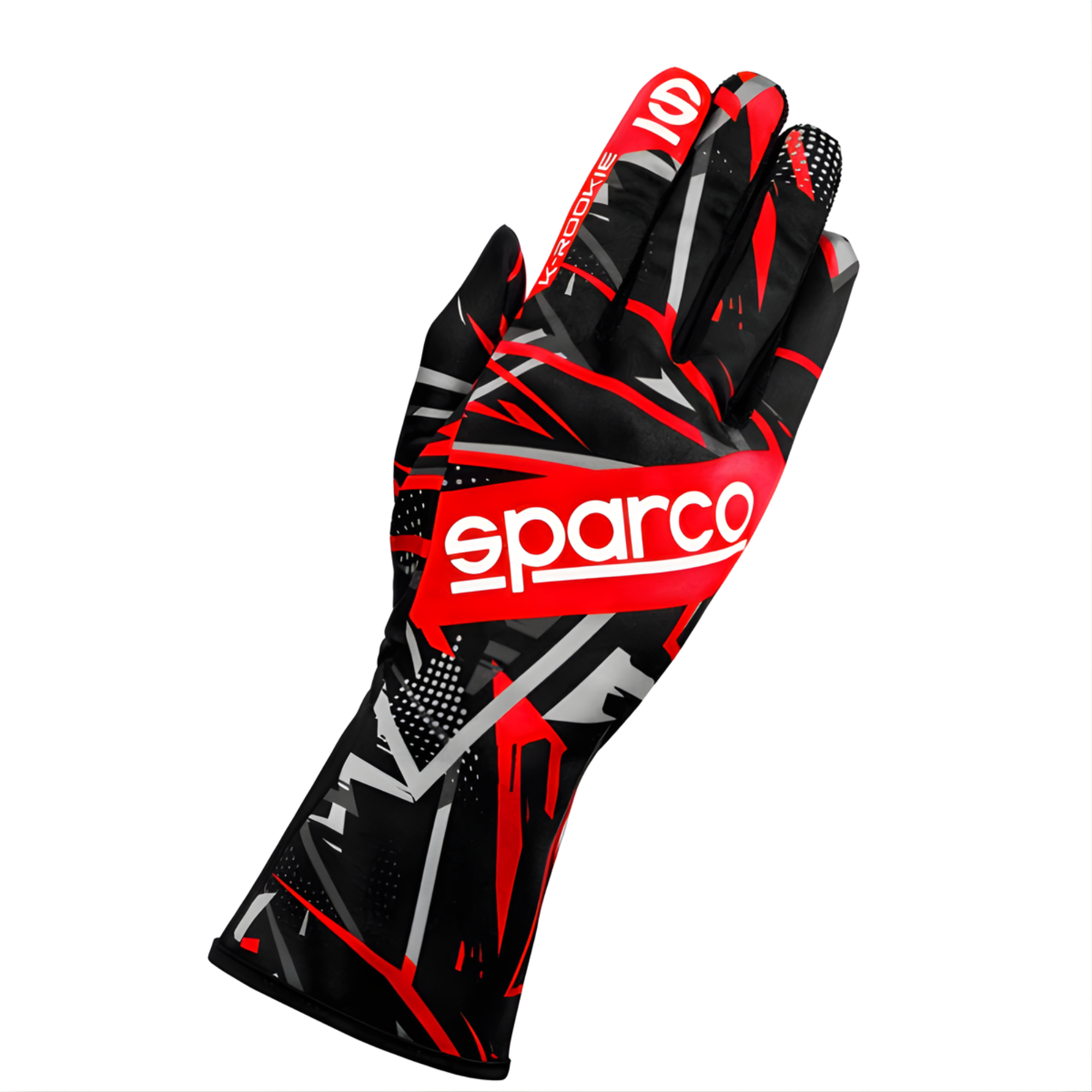
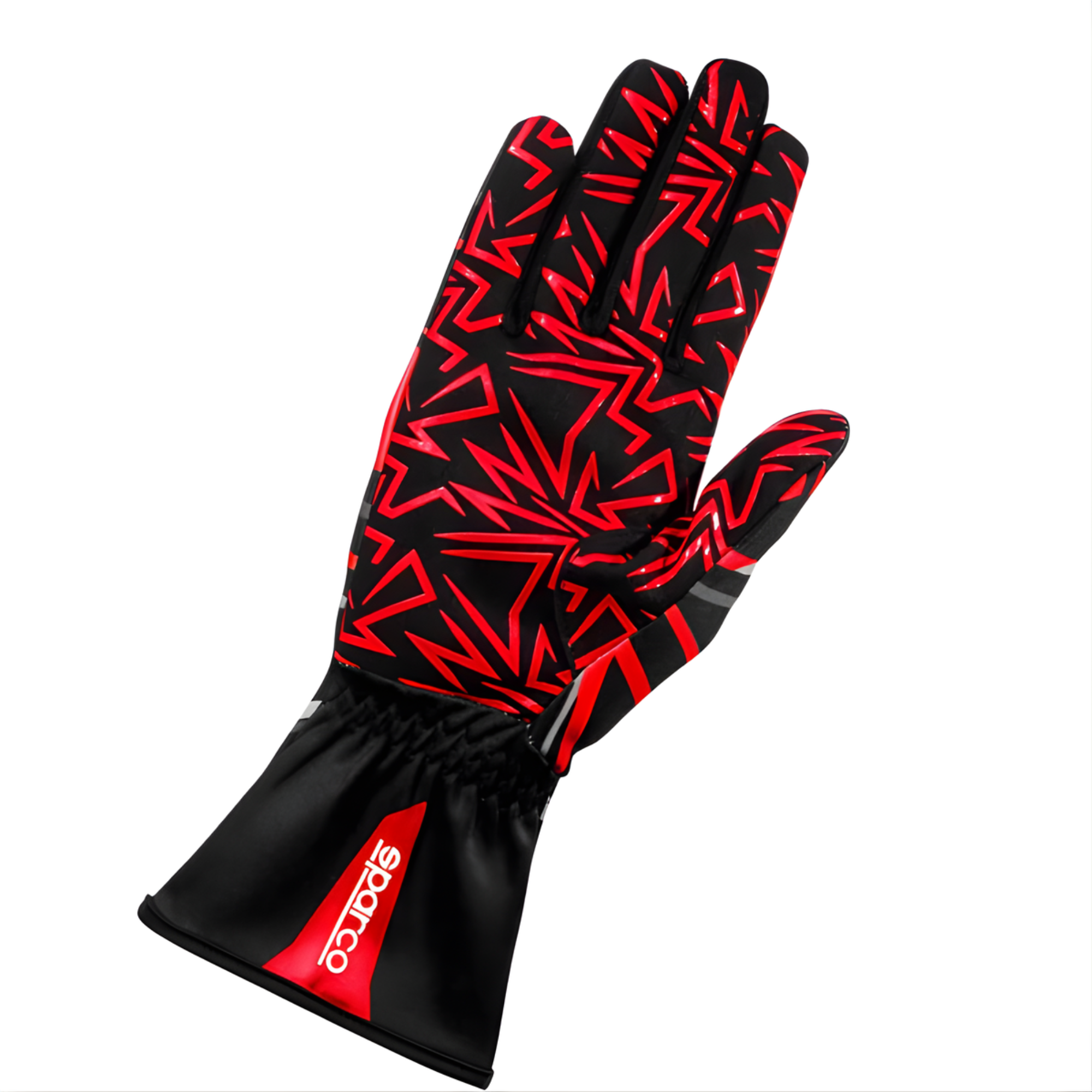
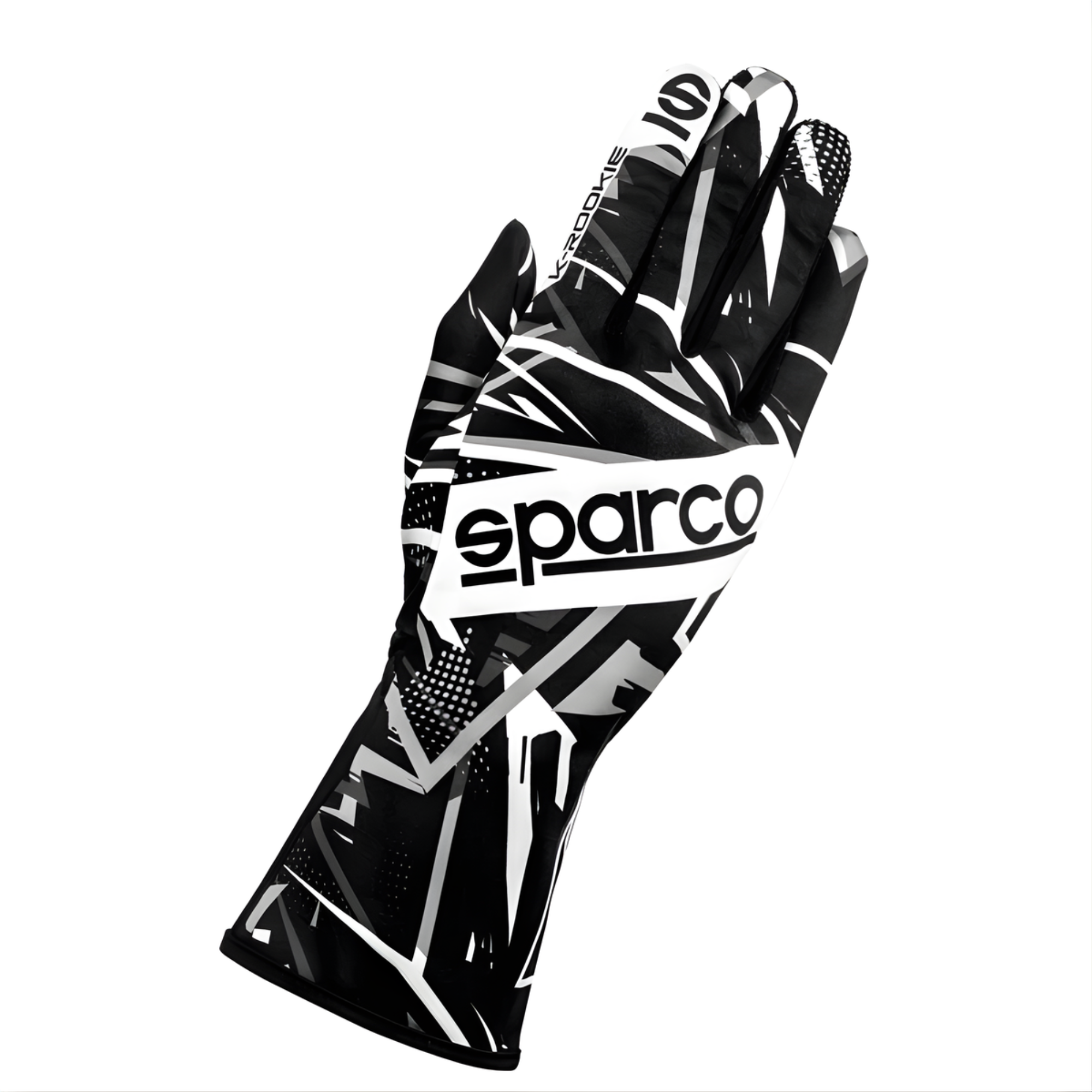
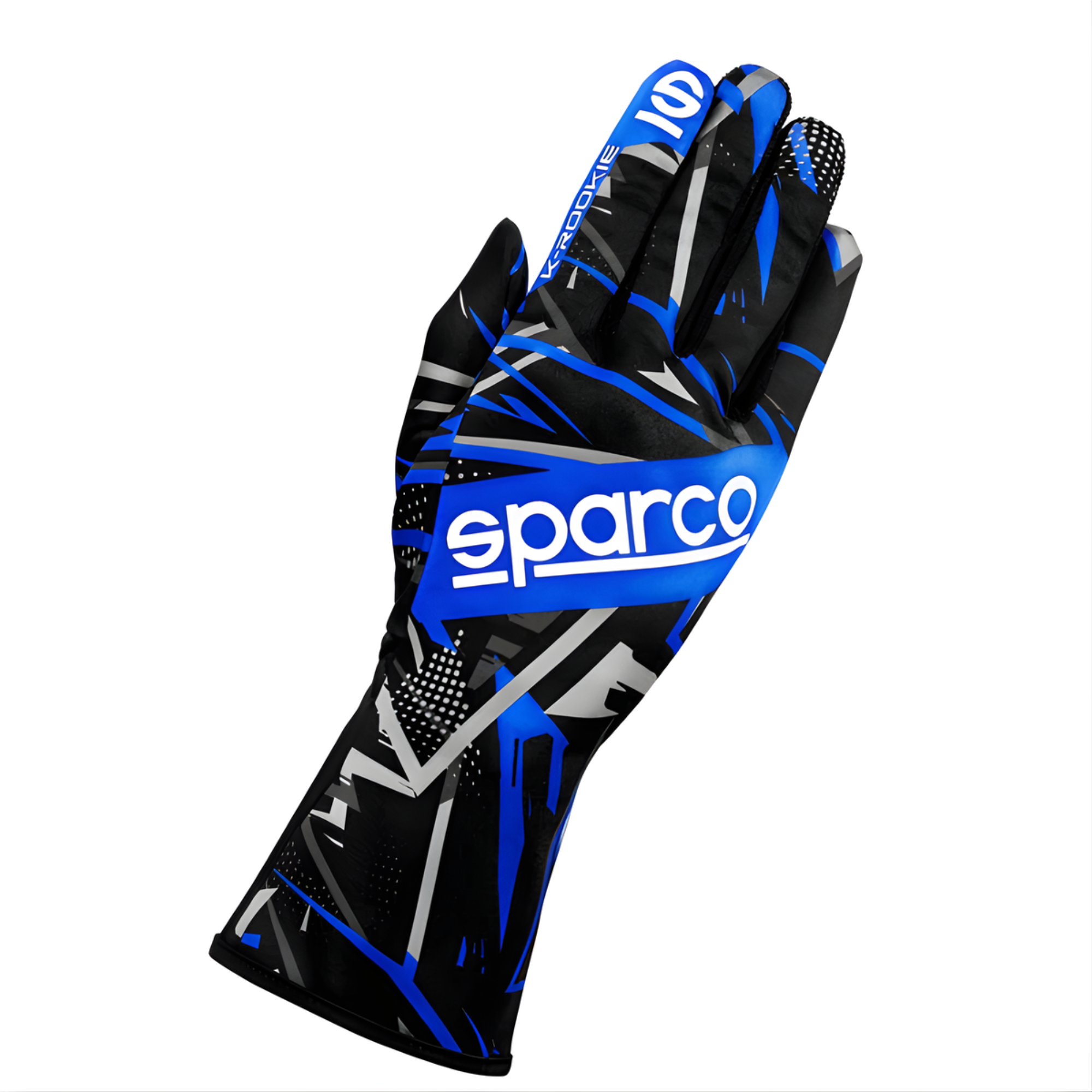
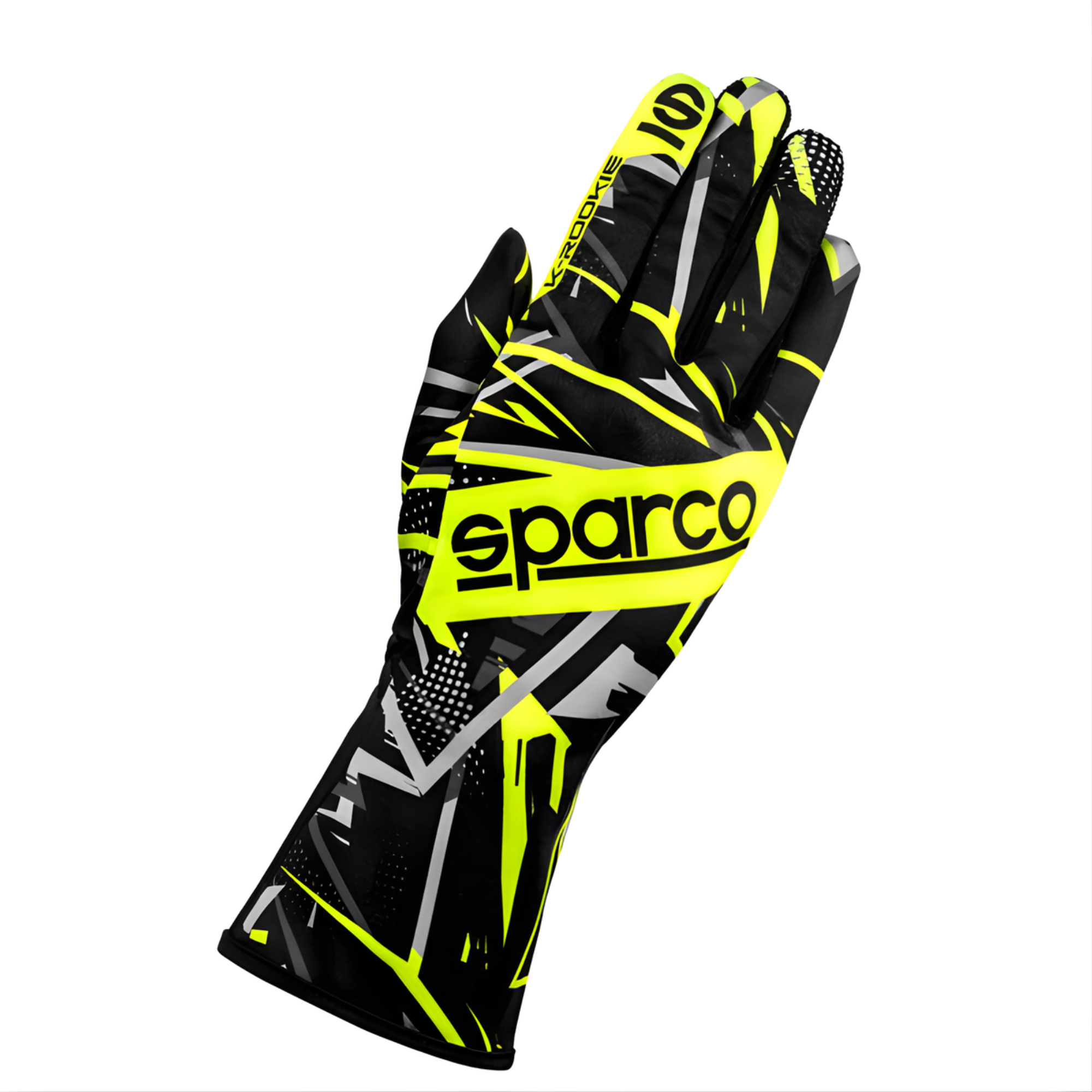
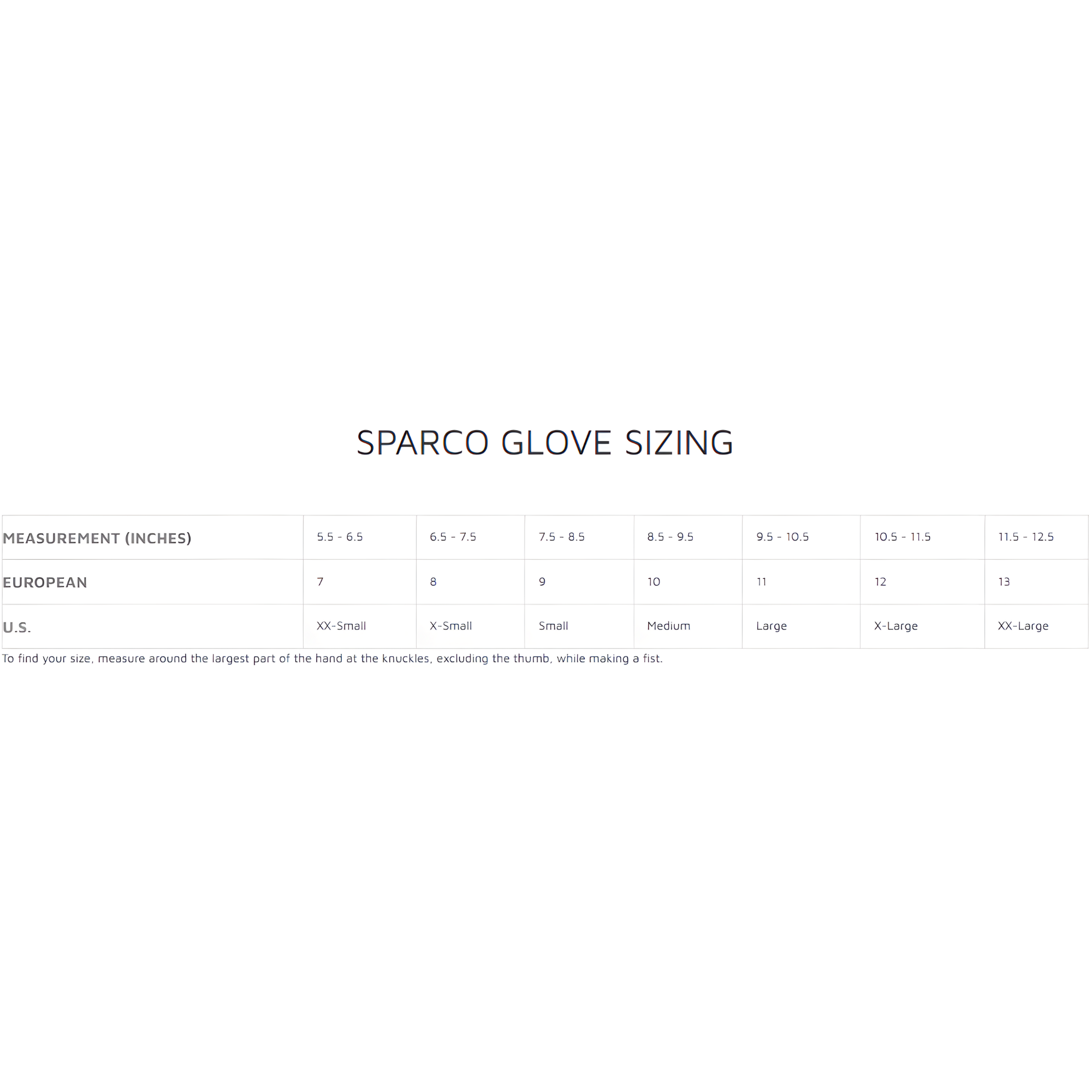
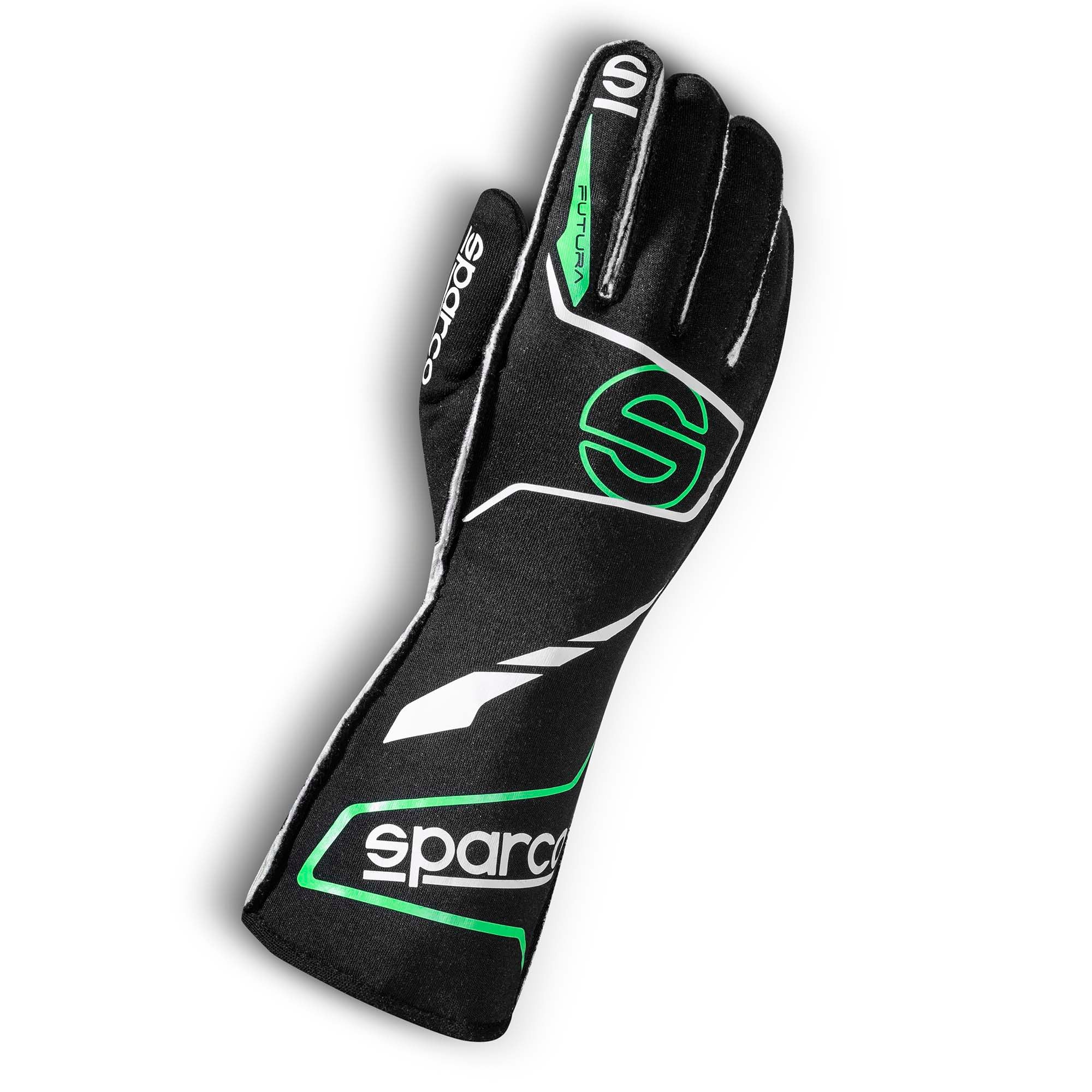
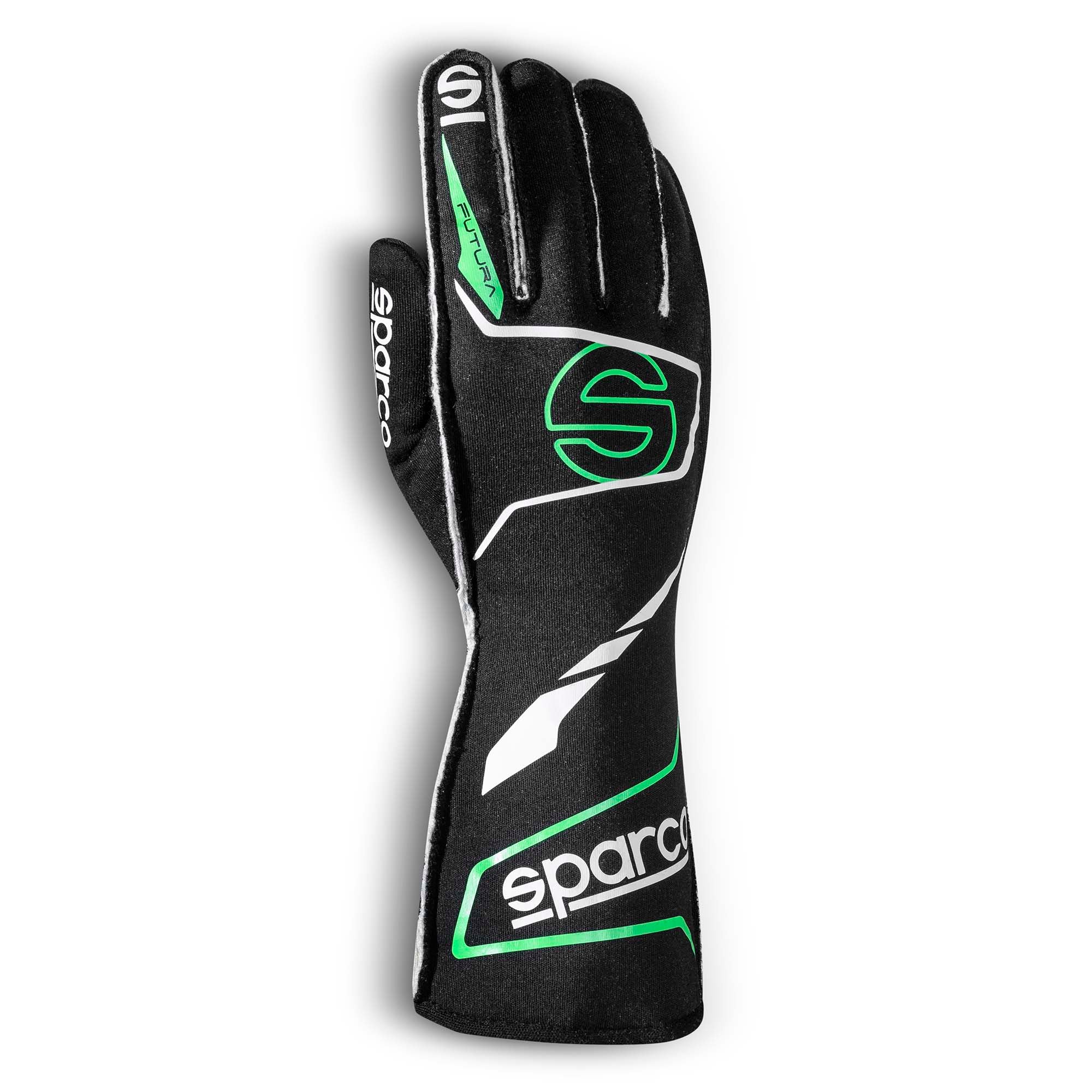
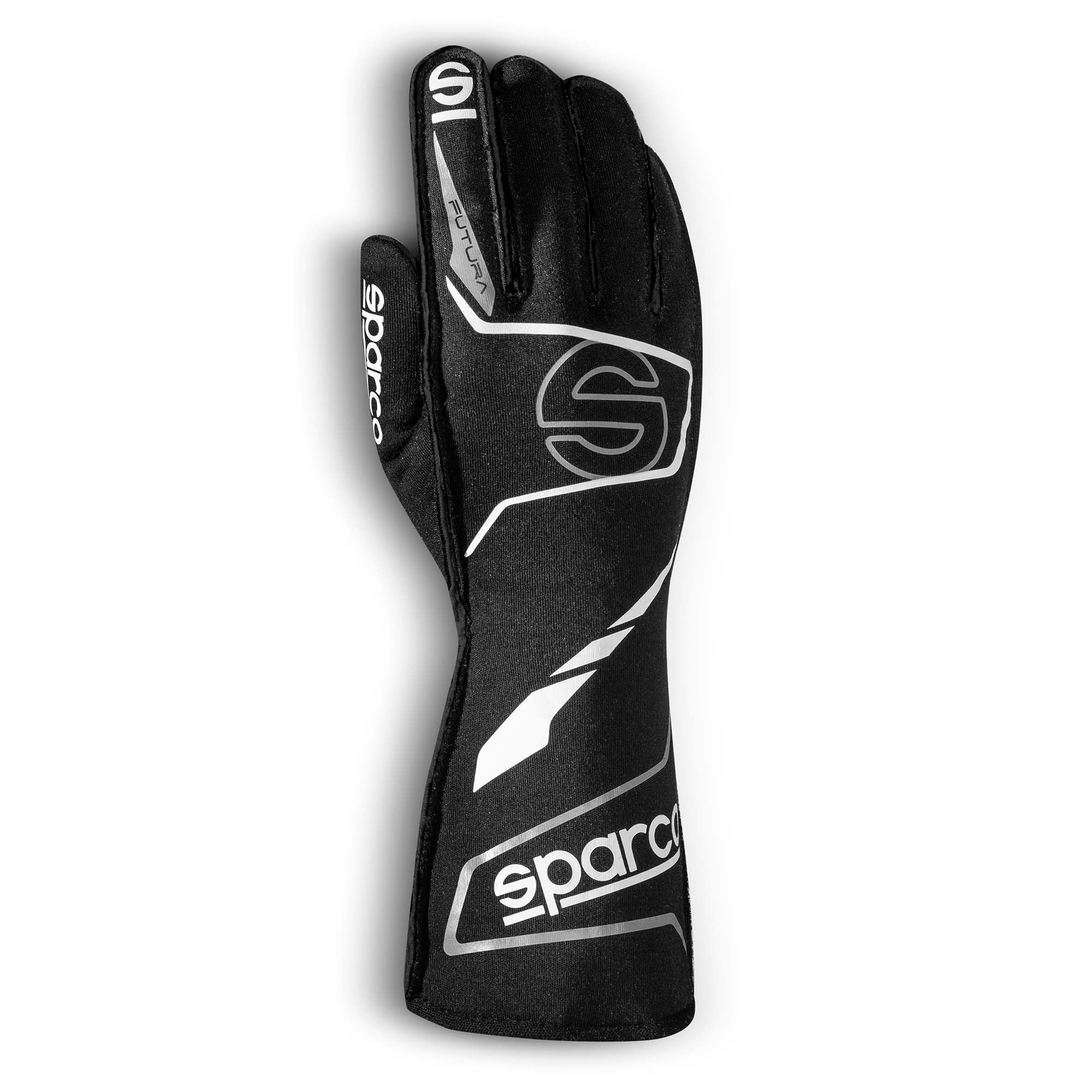
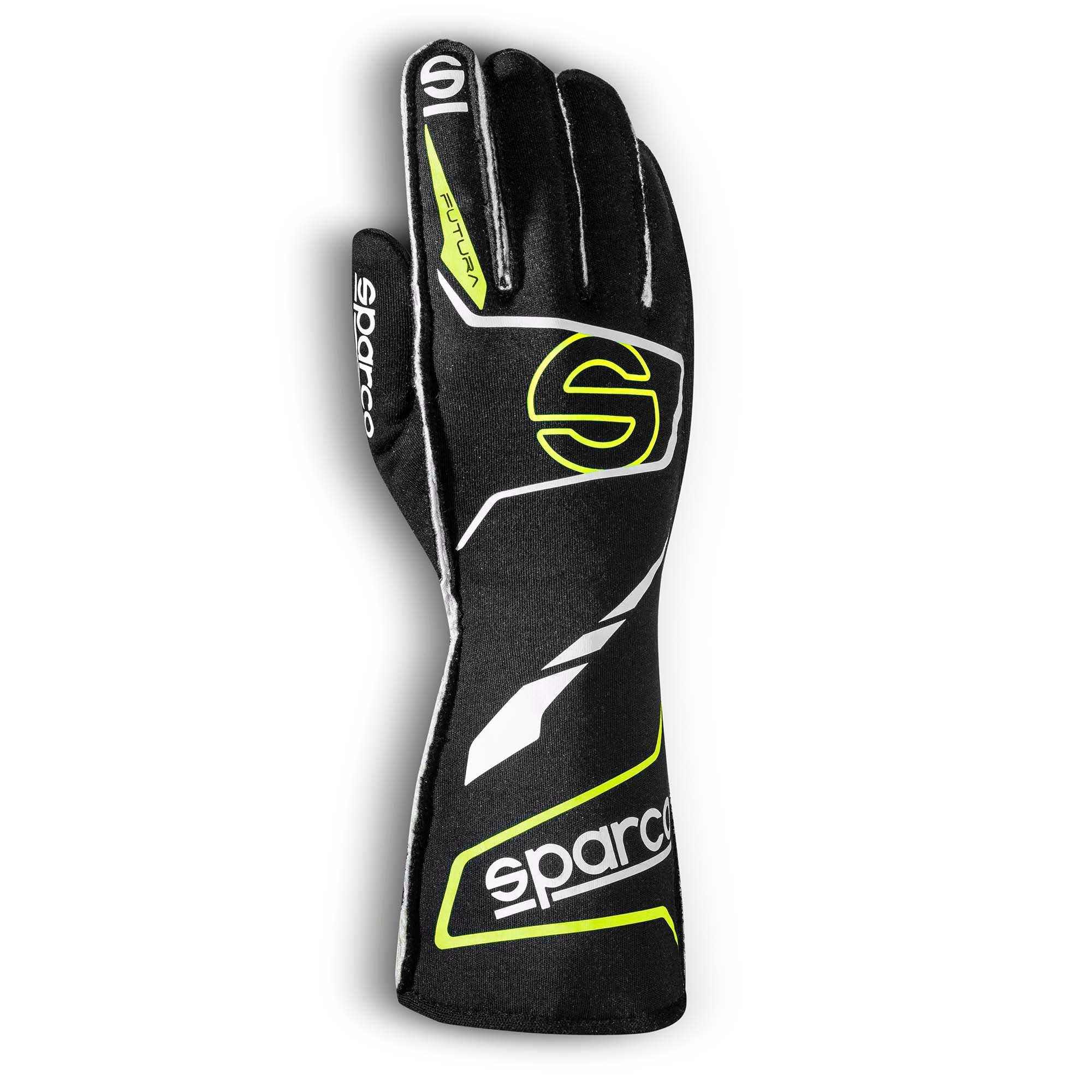
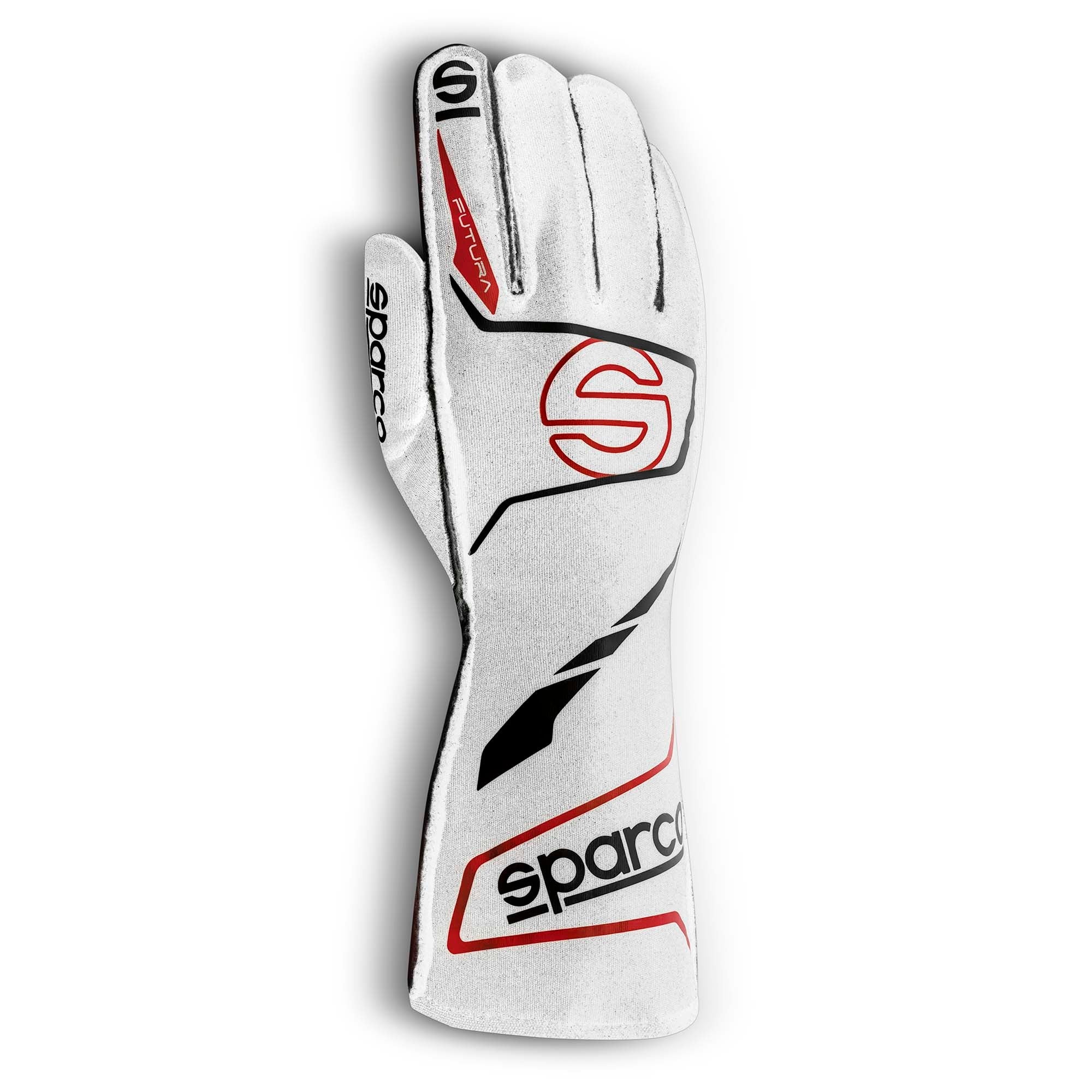
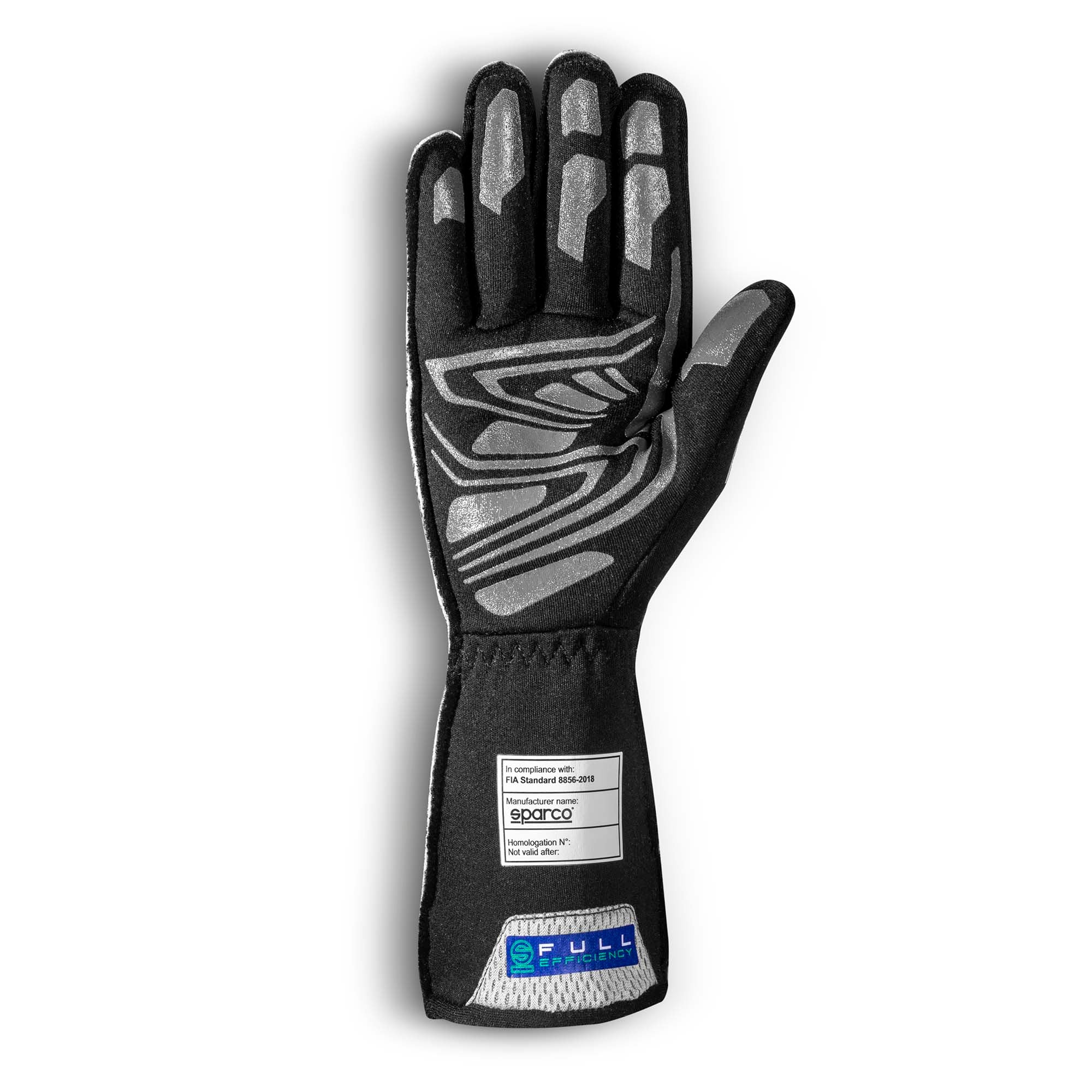
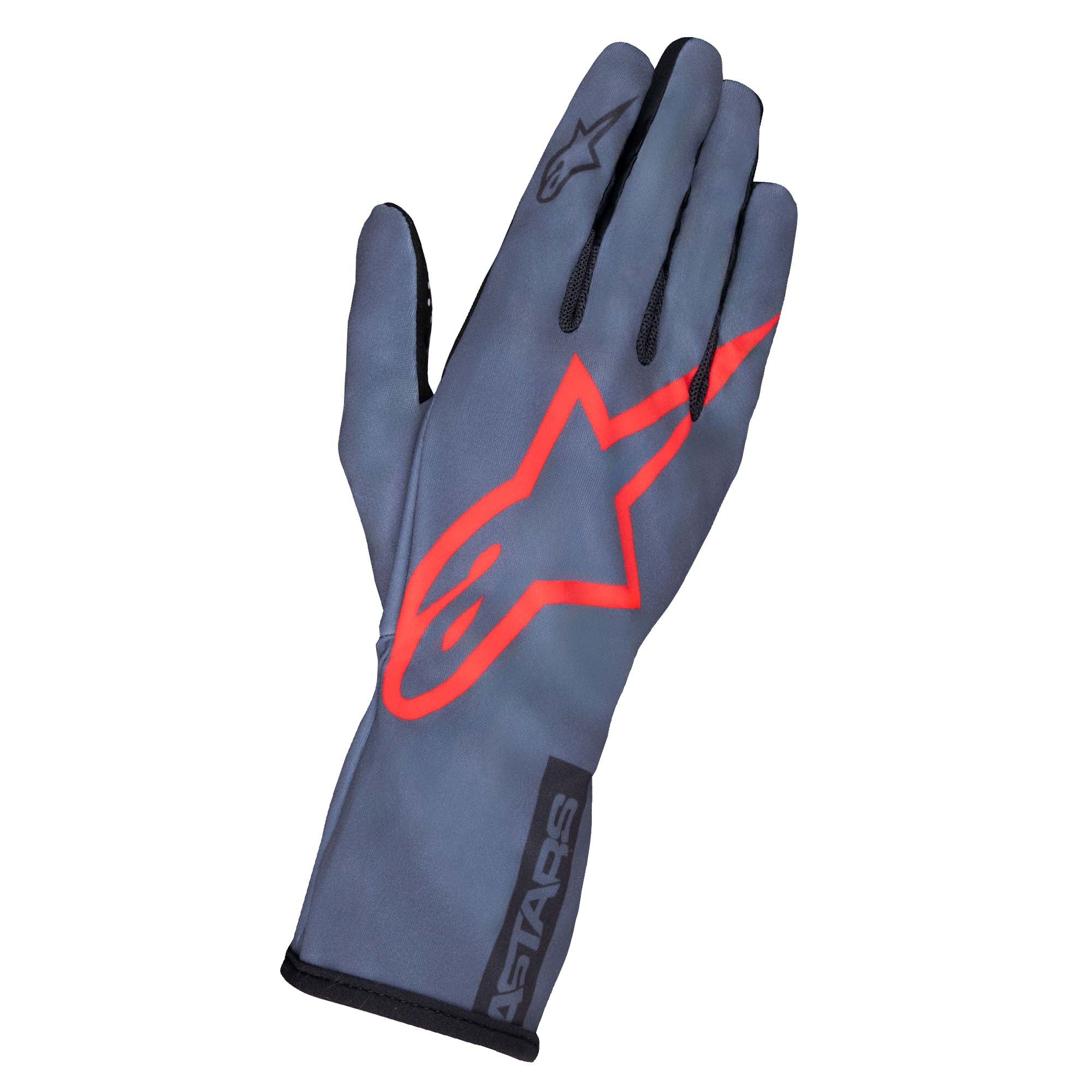
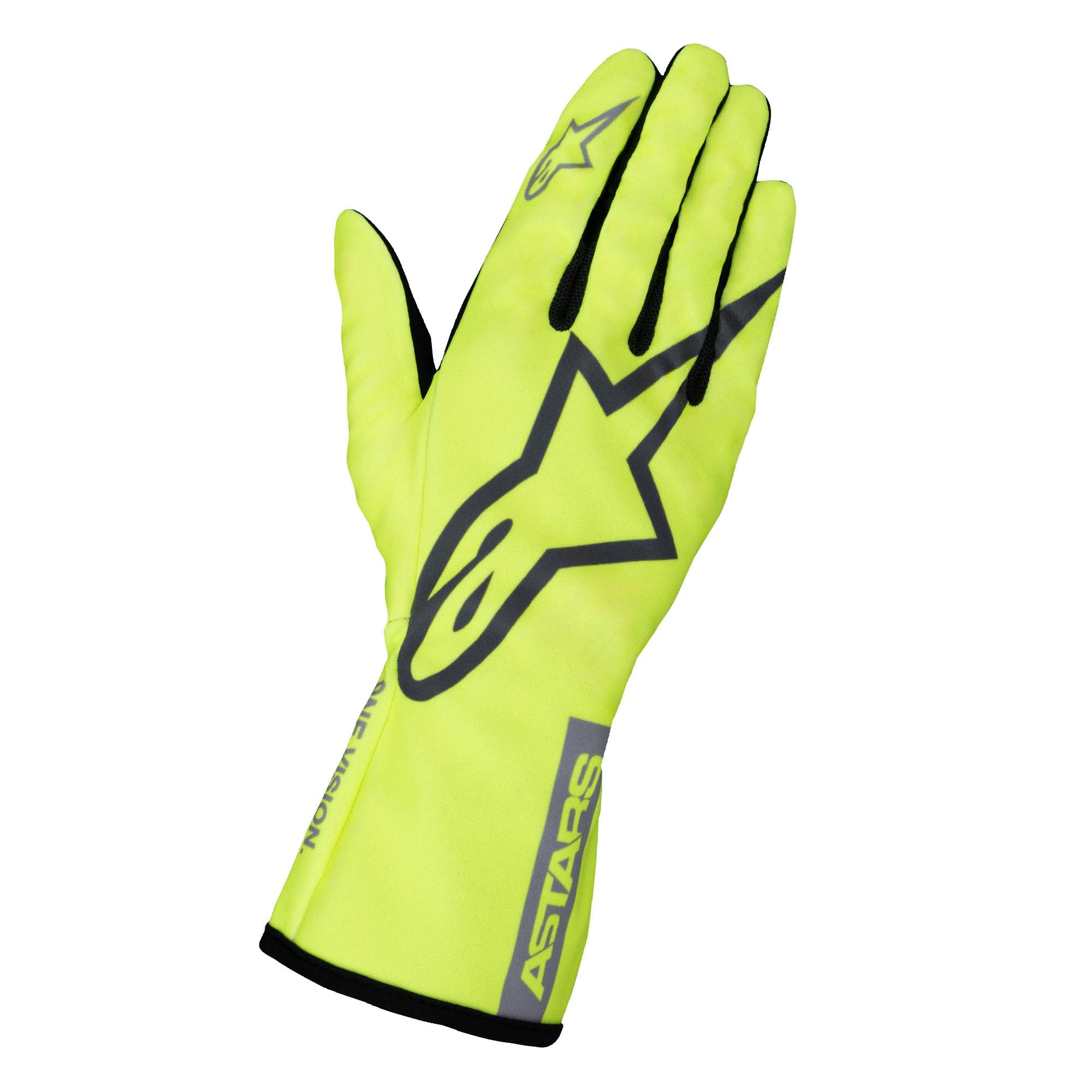
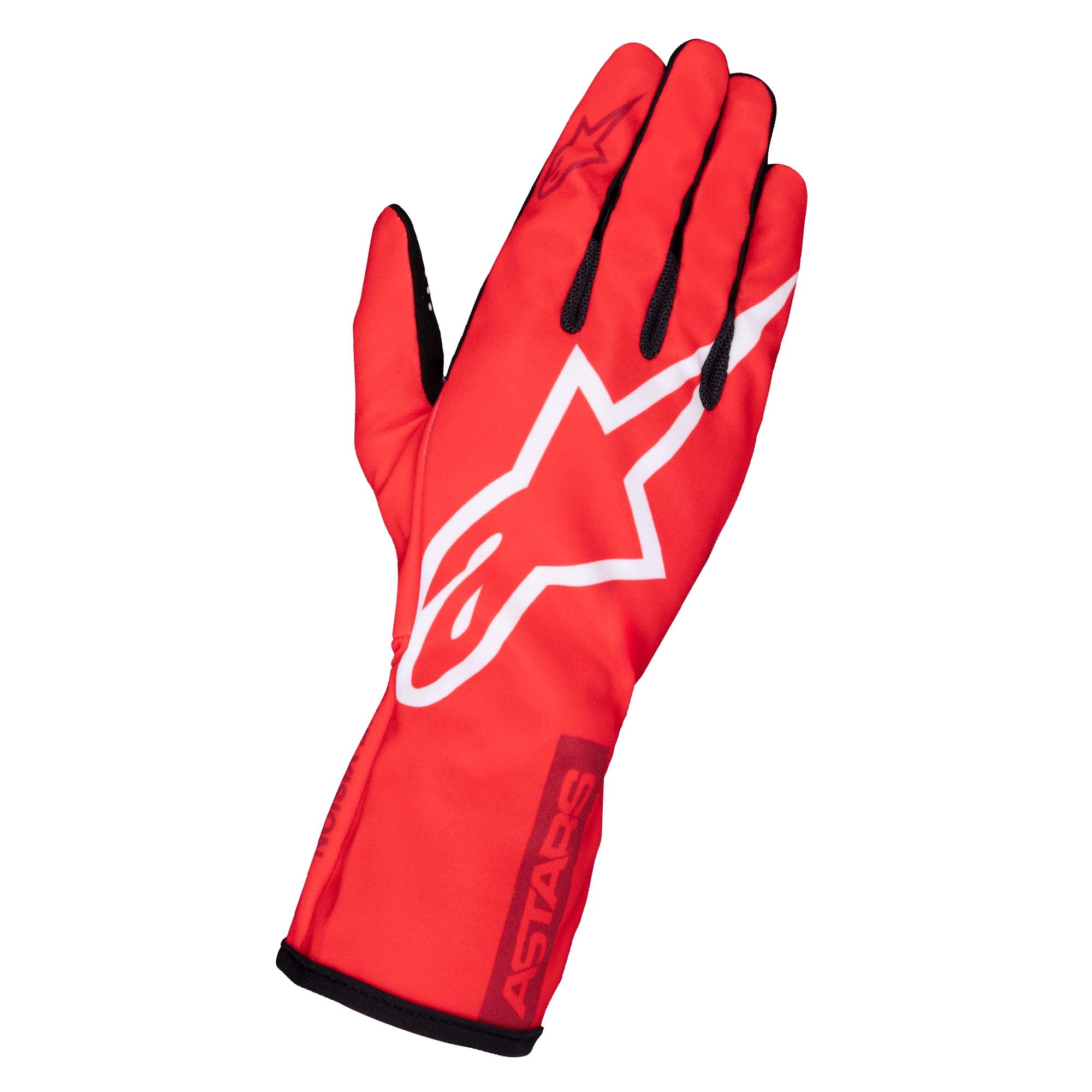
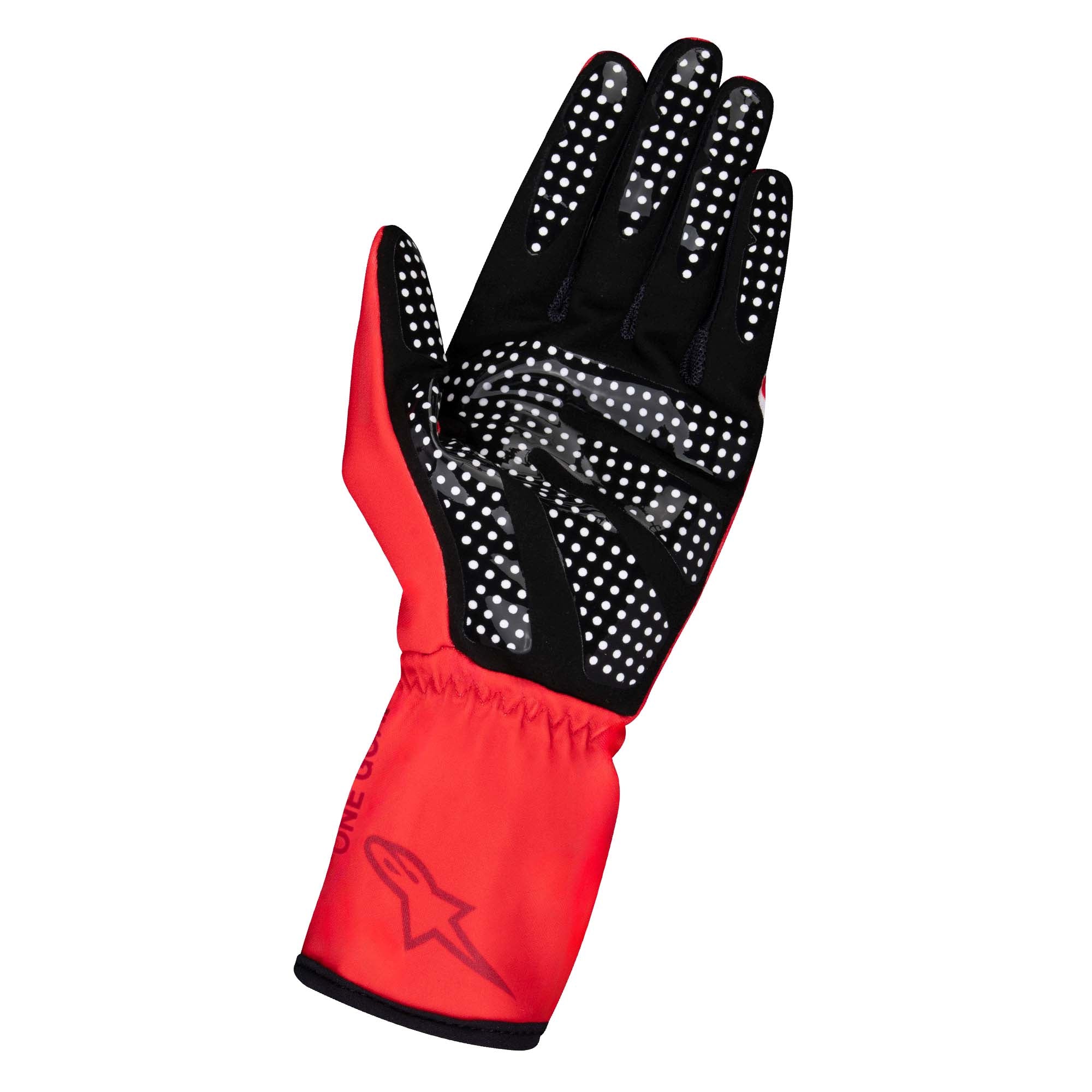
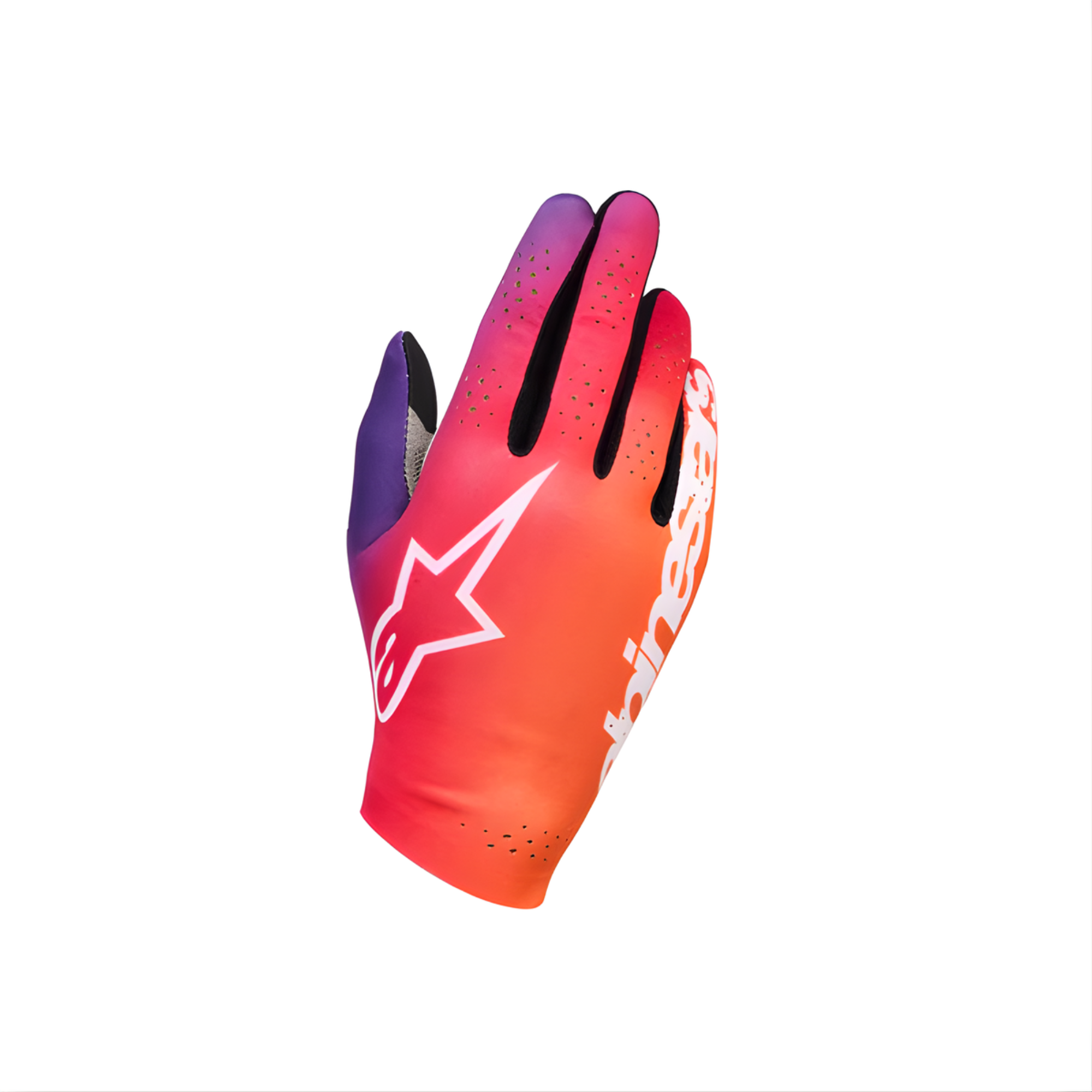
Beyond a helmet, a good pair of gloves improves your grip on the wheel when your hands start to sweat from the adrenaline. The Sparco Arrow Fire-Resistant Racing Gloves are a classic choice, offering an ergonomic palm design and SFI certification for added protection.
Most organizations require your vehicle to be equipped with tow hooks or straps and clearly visible door numbers for identification by track marshals. While many drivers use paint-safe painters' tape to create temporary numbers, magnetic number plates offer a more professional, reusable alternative for frequent track-day attendees.
4. What to Expect on Your First Day
- Driver's Meeting: A mandatory briefing on track flags and safety protocols.
- Classroom Sessions: Depending on the club, you'll spend time off-track learning about the racing line, weight transfer, and "threshold braking."
- In-Car Instruction: As a novice, you will usually have an experienced instructor sit in the passenger seat, guiding you through every turn and helping you stay safe.
- Passing Rules: Passing is strictly controlled. In beginner groups, you typically pass only on straights, with a "point-by" signal from the car in front.
Ready to Hit the Track?
Starting your HPDE journey is one of the most rewarding ways to experience your car's true potential while becoming a sharper, safer driver. By focusing on the right preparation—from flushing your fluids to securing an SA-rated helmet—you set yourself up for a successful and adrenaline-filled debut.
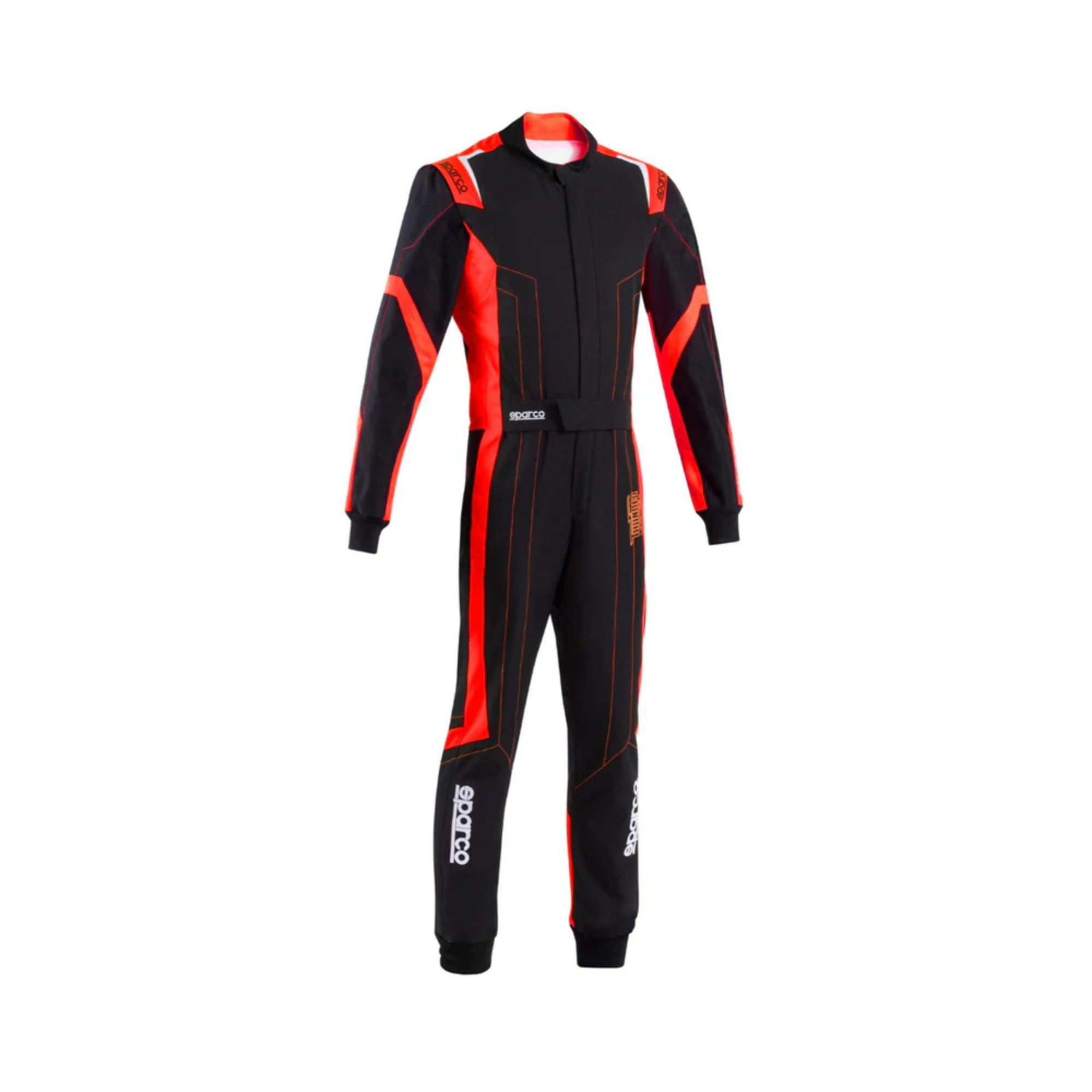
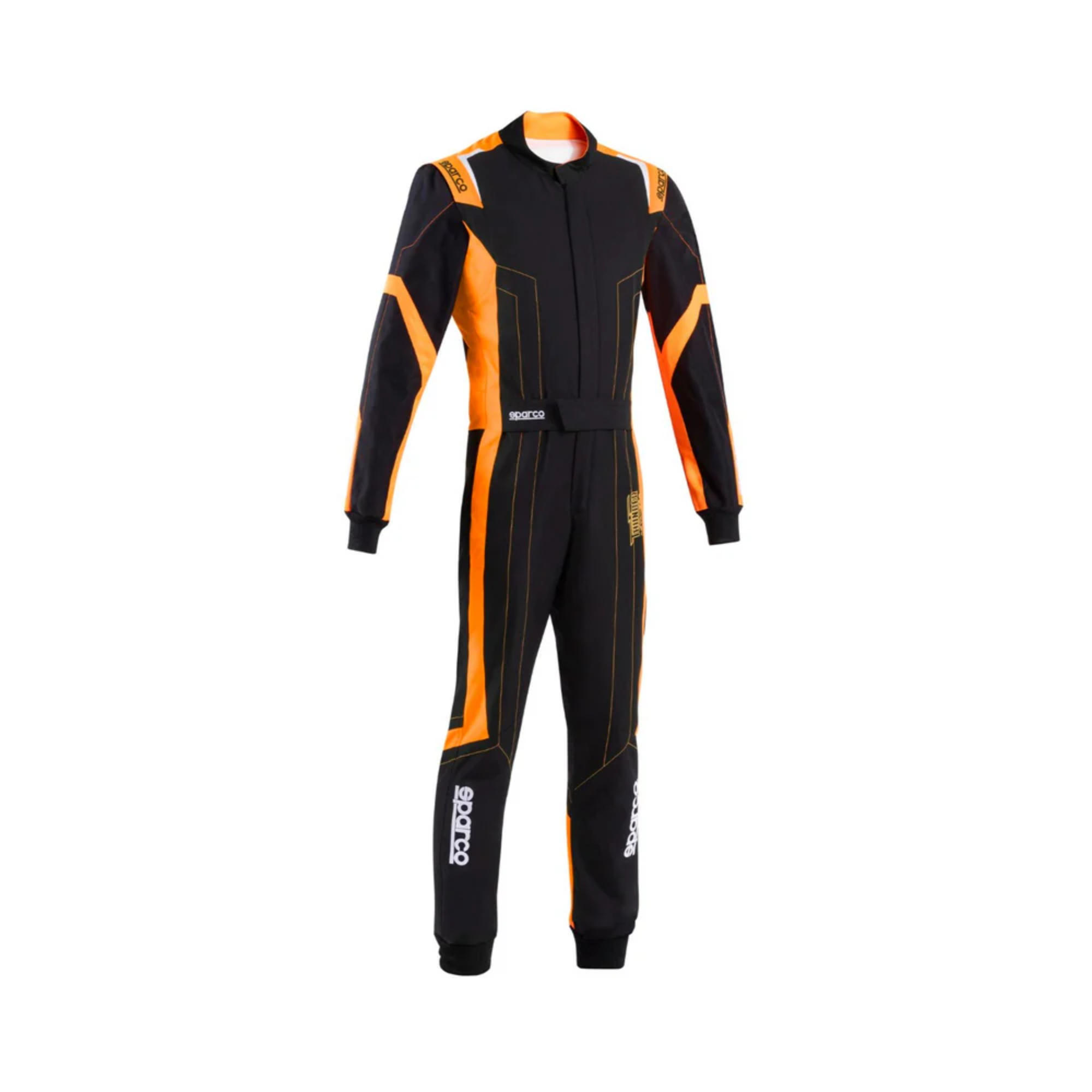
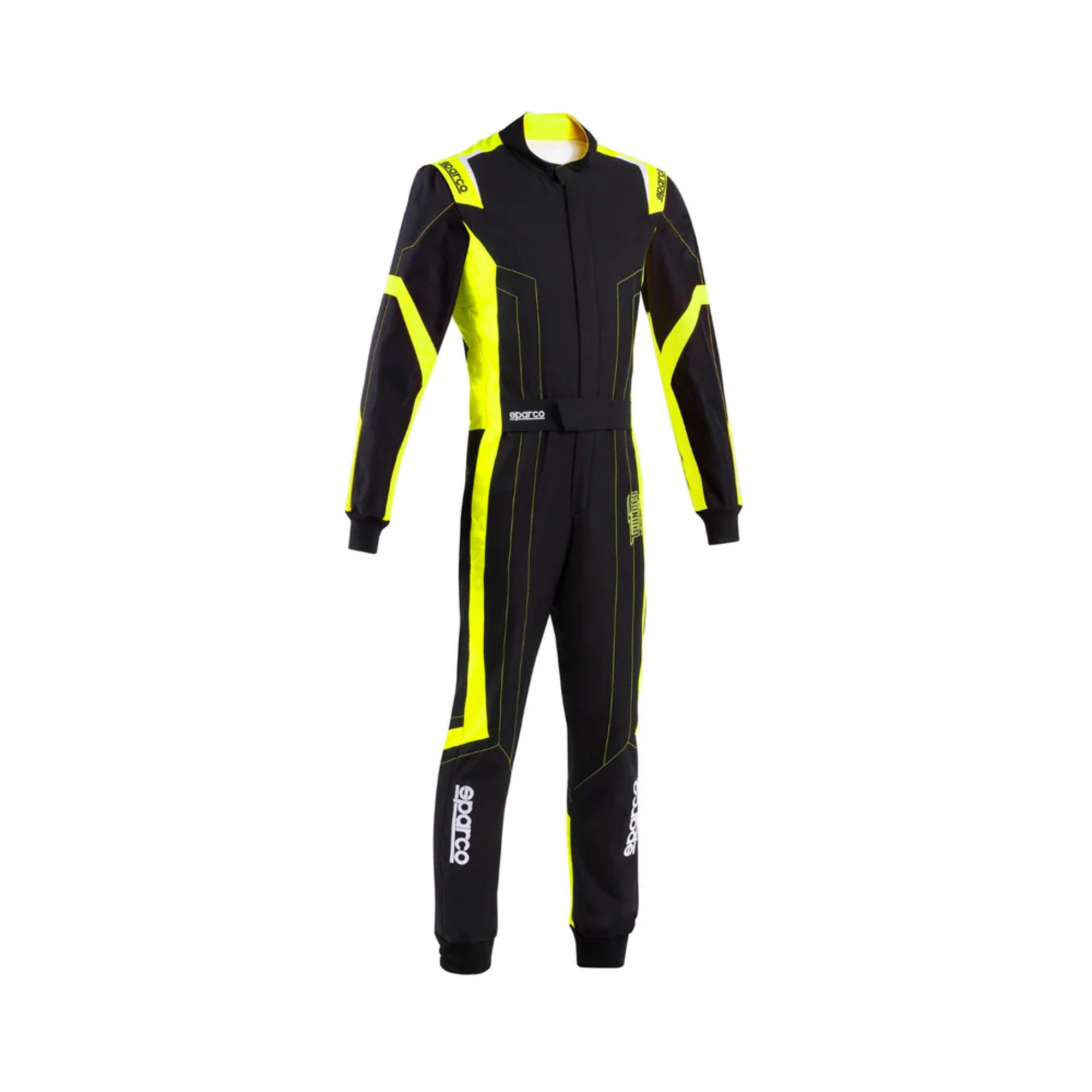
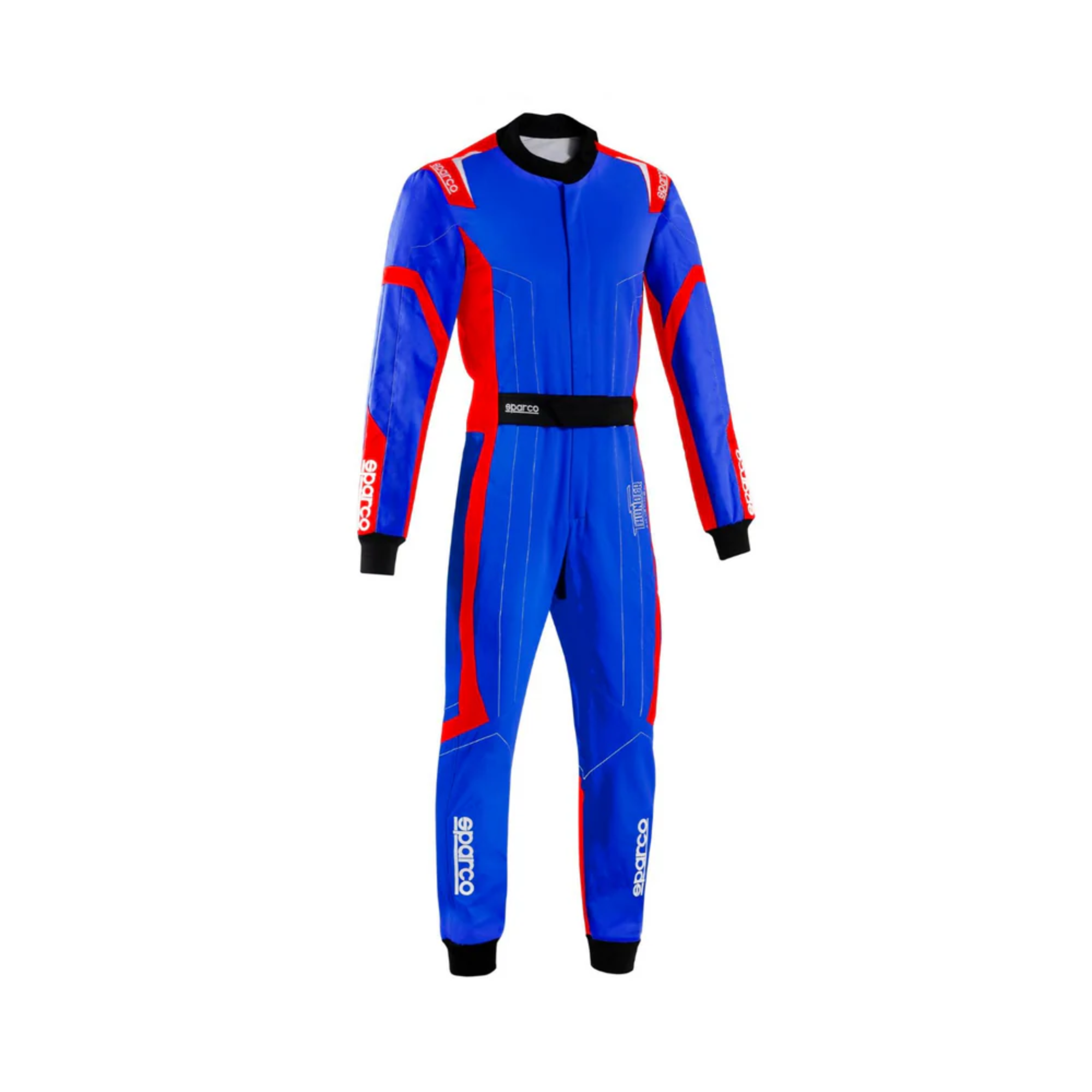
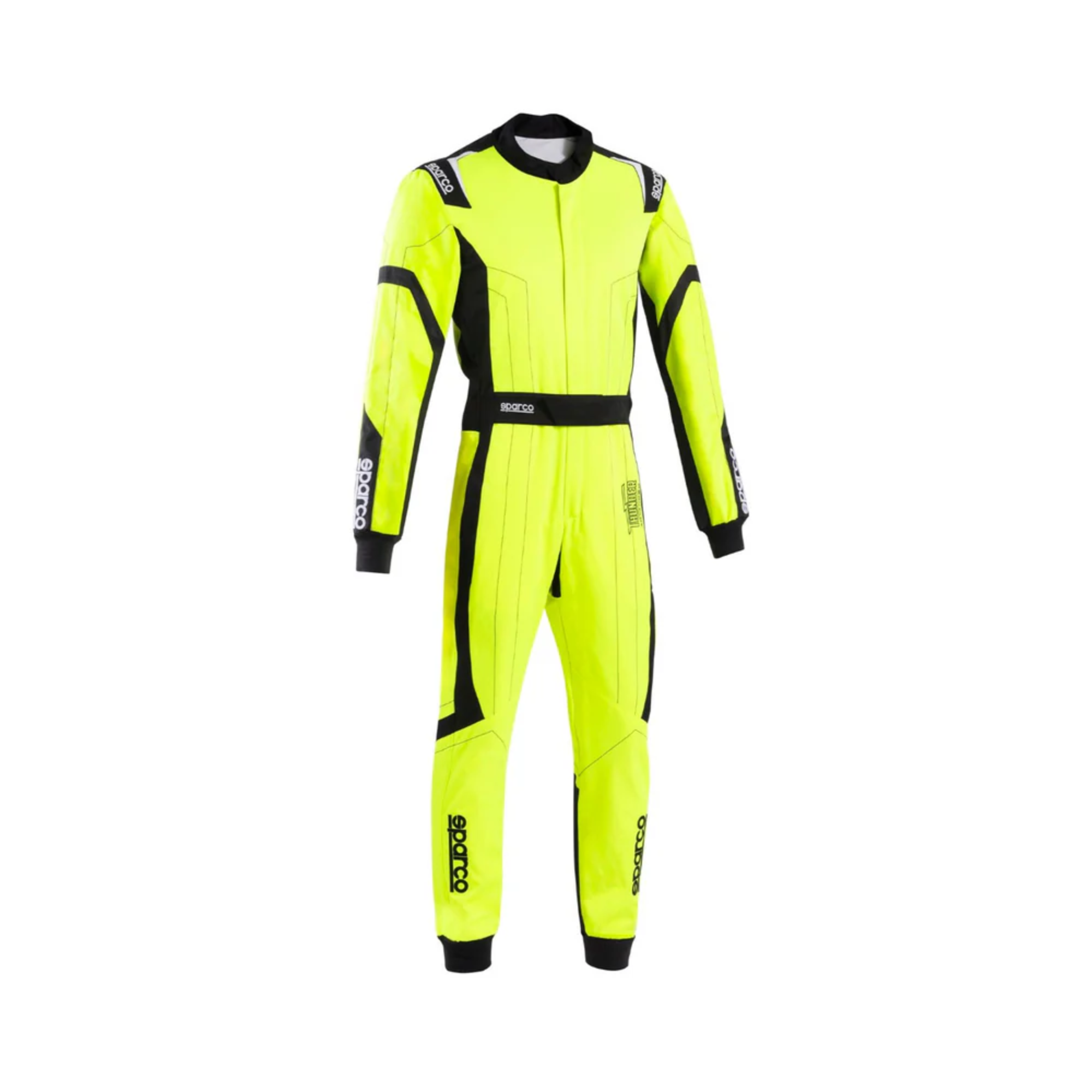
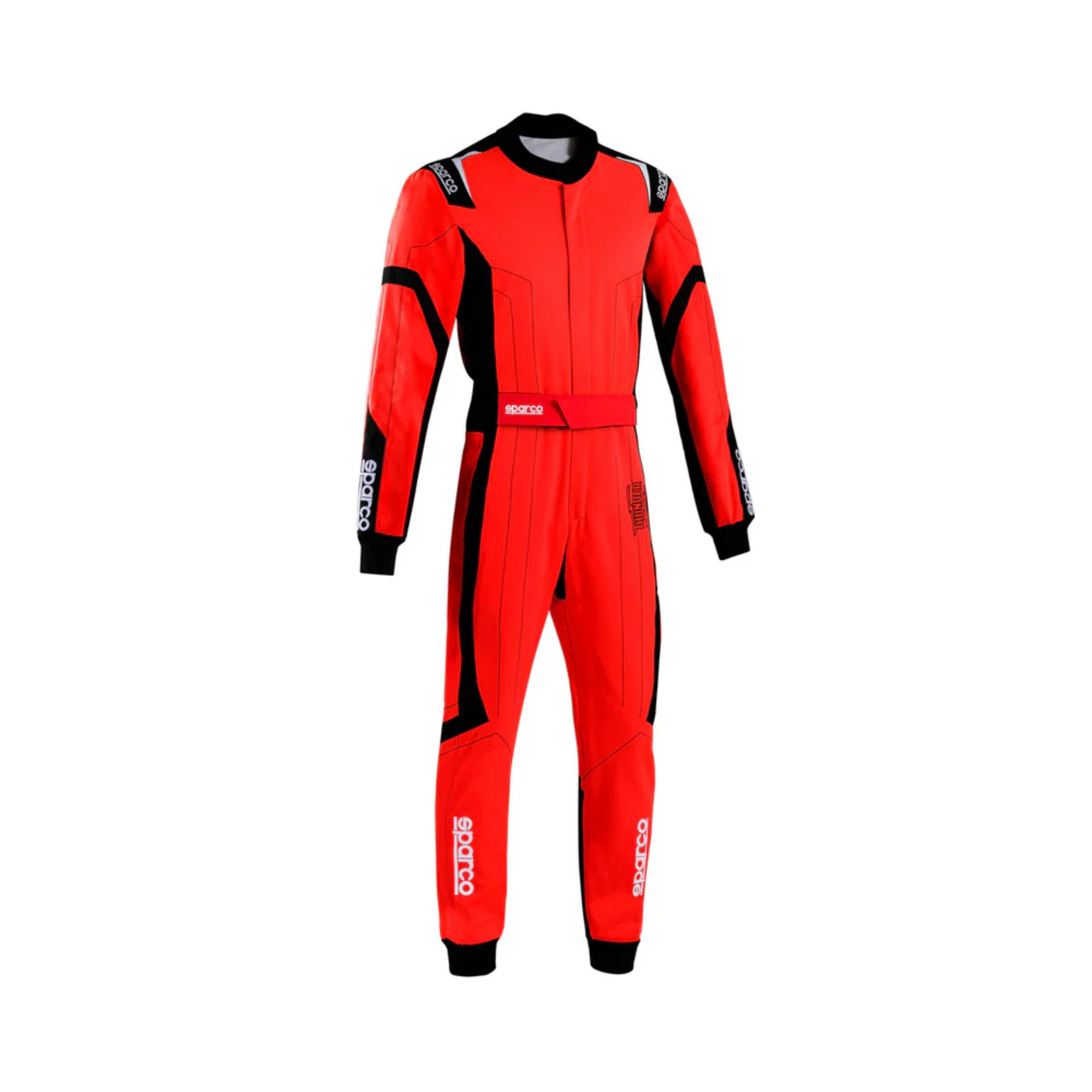
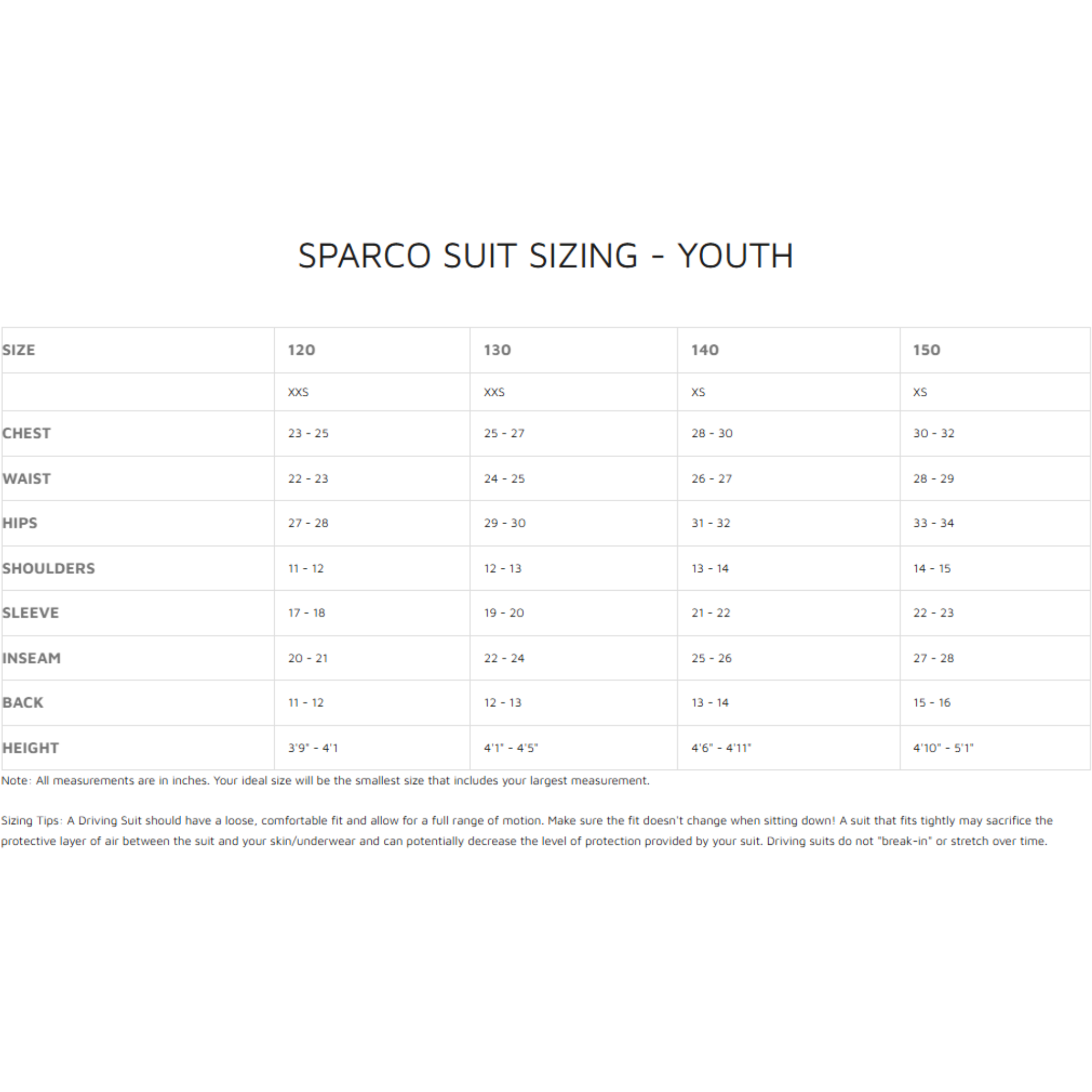
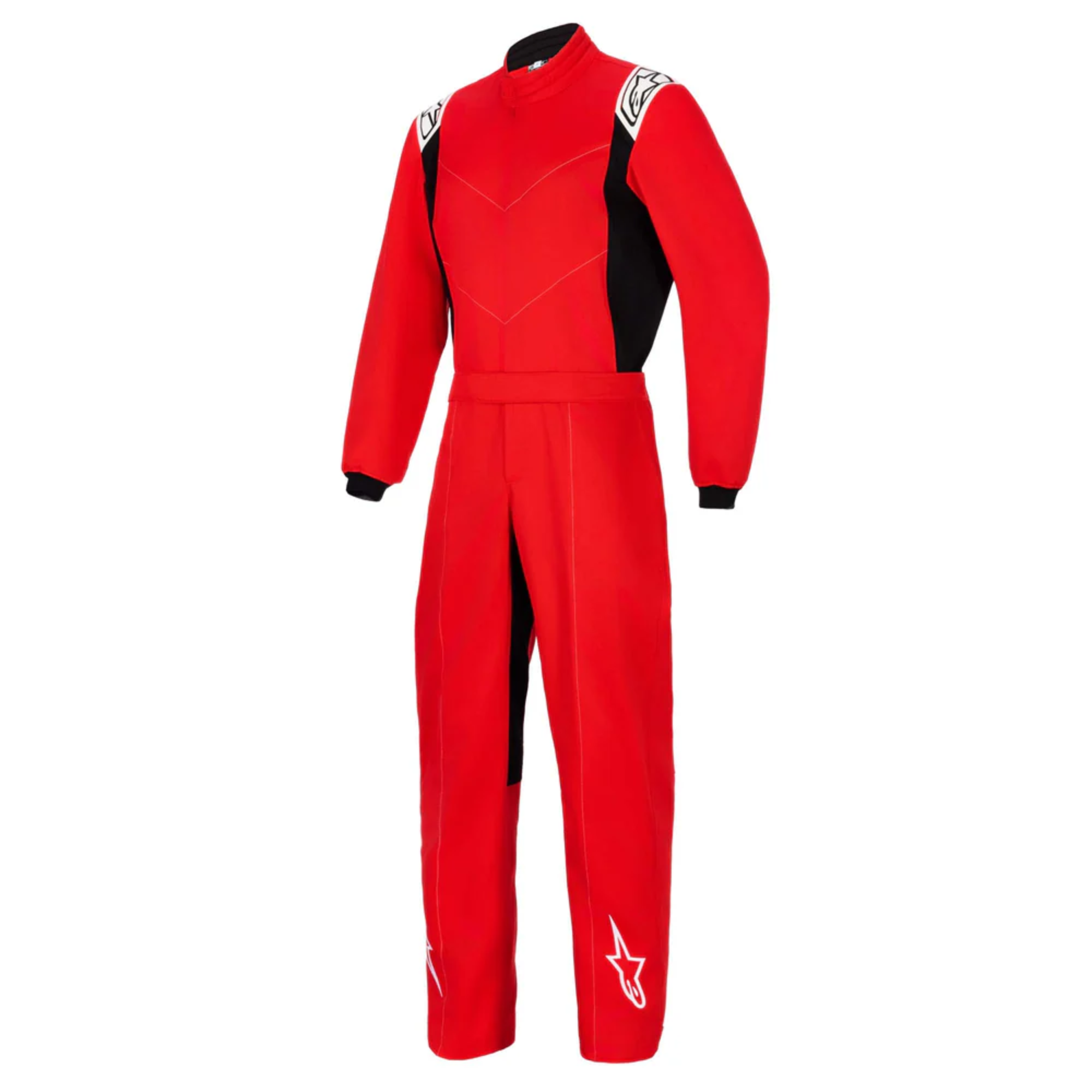
At Everyday Motorsports, we are dedicated to helping you bridge the gap between the street and the circuit. Whether you need a racing suit for maximum protection or a balaclava for added comfort under your lid, we have you covered.