Whether you are a budding track-day enthusiast or a casual fan of Formula 1, the world of motorsport can be a whirlwind of technical jargon and complex rules.
Here are 25 common questions that cover everything from driving techniques to safety standards.
Starting the Engine - Getting Started, Terms & Driving Technique
- What is the "racing line"? The fastest path around a circuit that minimizes the cornering angle and maximizes speed.
- What is "trail braking"? A technique where the driver slowly releases the brakes while turning into a corner, rather than finishing all braking in a straight line.
- What is the difference between understeer and oversteer? Understeer is when the front tires lose grip, and the car pushes wide; oversteer is when the rear tires lose grip, and the back end slides out.
- What is "heel-and-toe" shifting? Blipping the throttle with your heel while braking with your toes to match engine RPM during a downshift.
- How do I start track days? Usually, by attending a High Performance Driving Education (HPDE) event (aka a track day) with a local car club. Are you looking to learn more? Read our article about this!
Safety First! - All about Safety & Gear
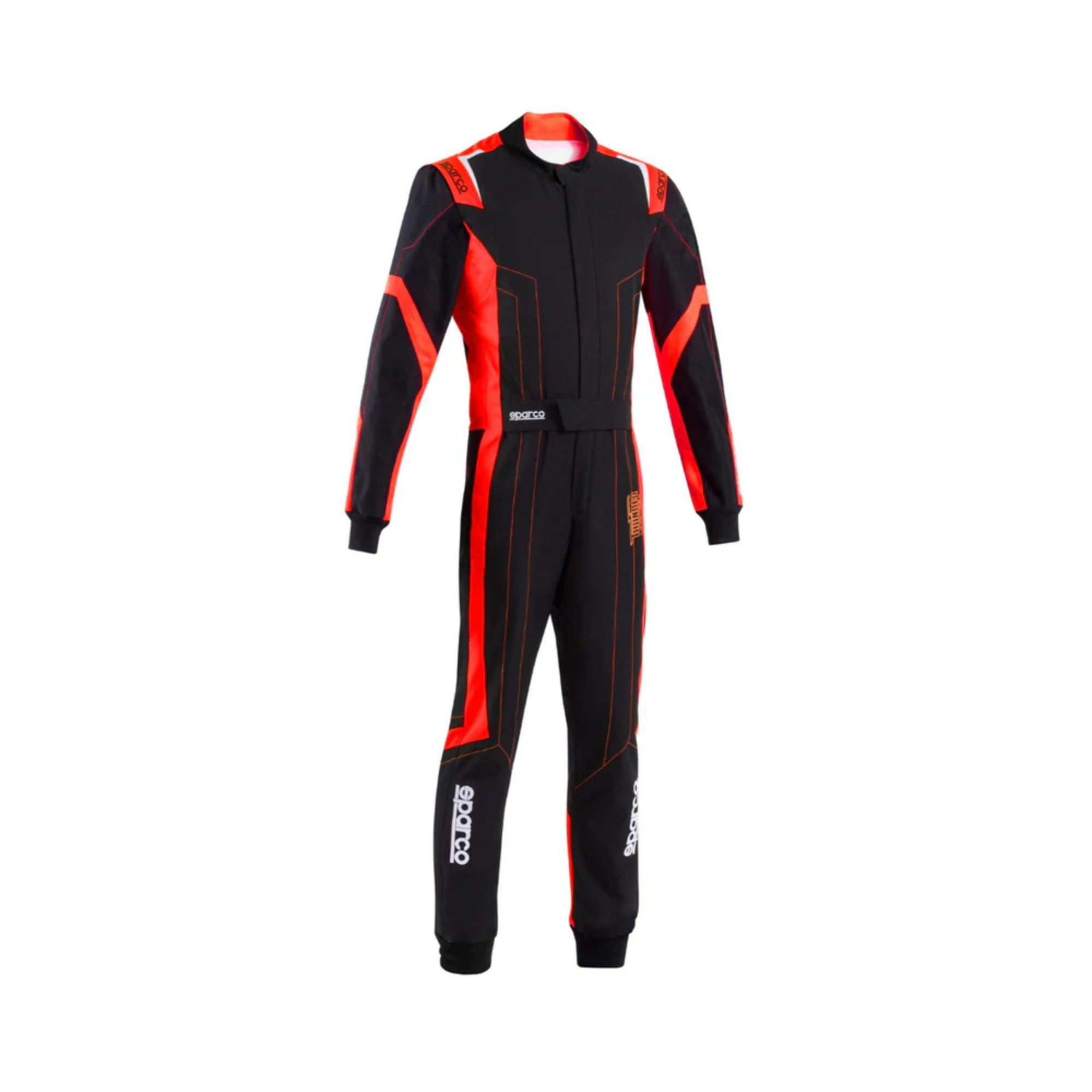
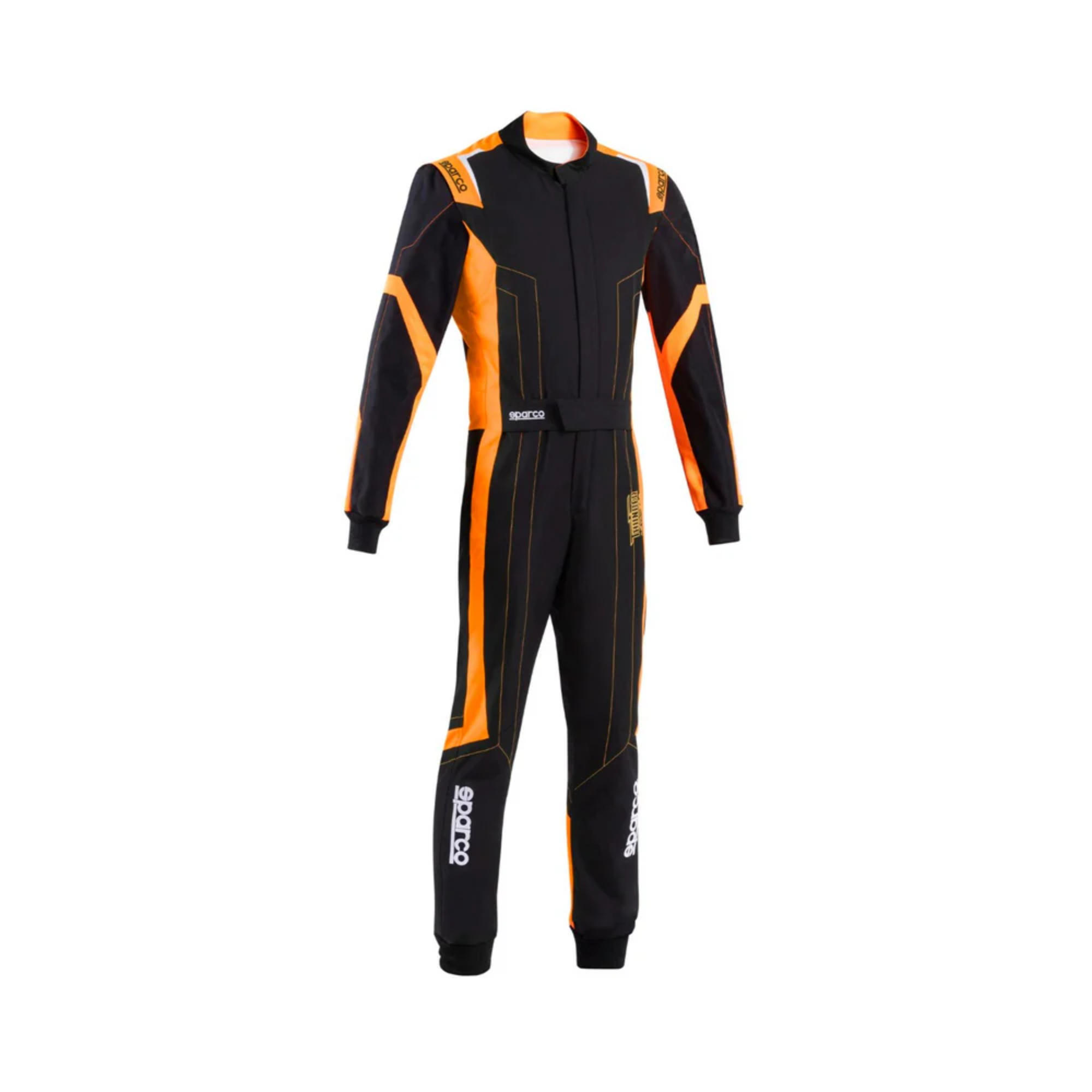
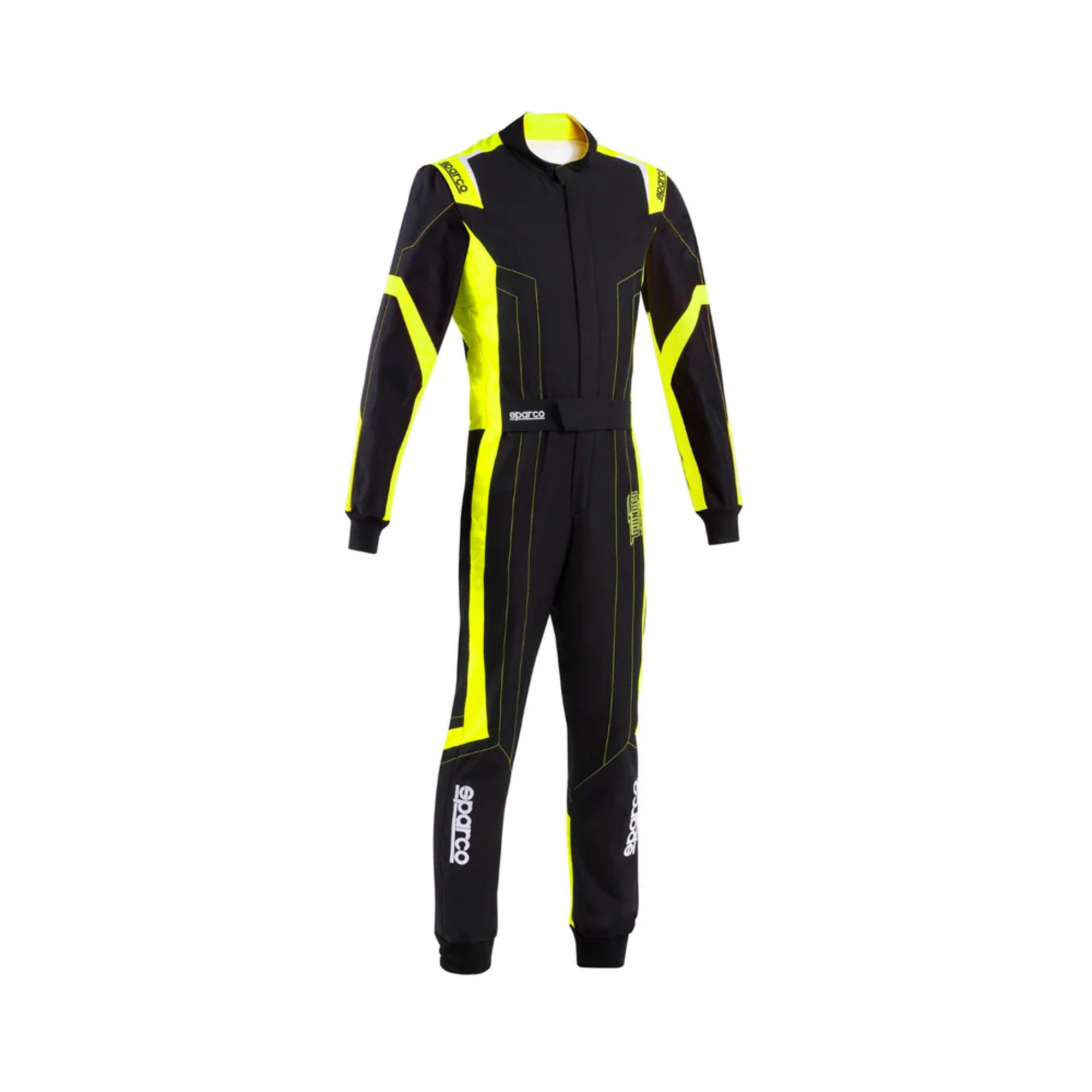
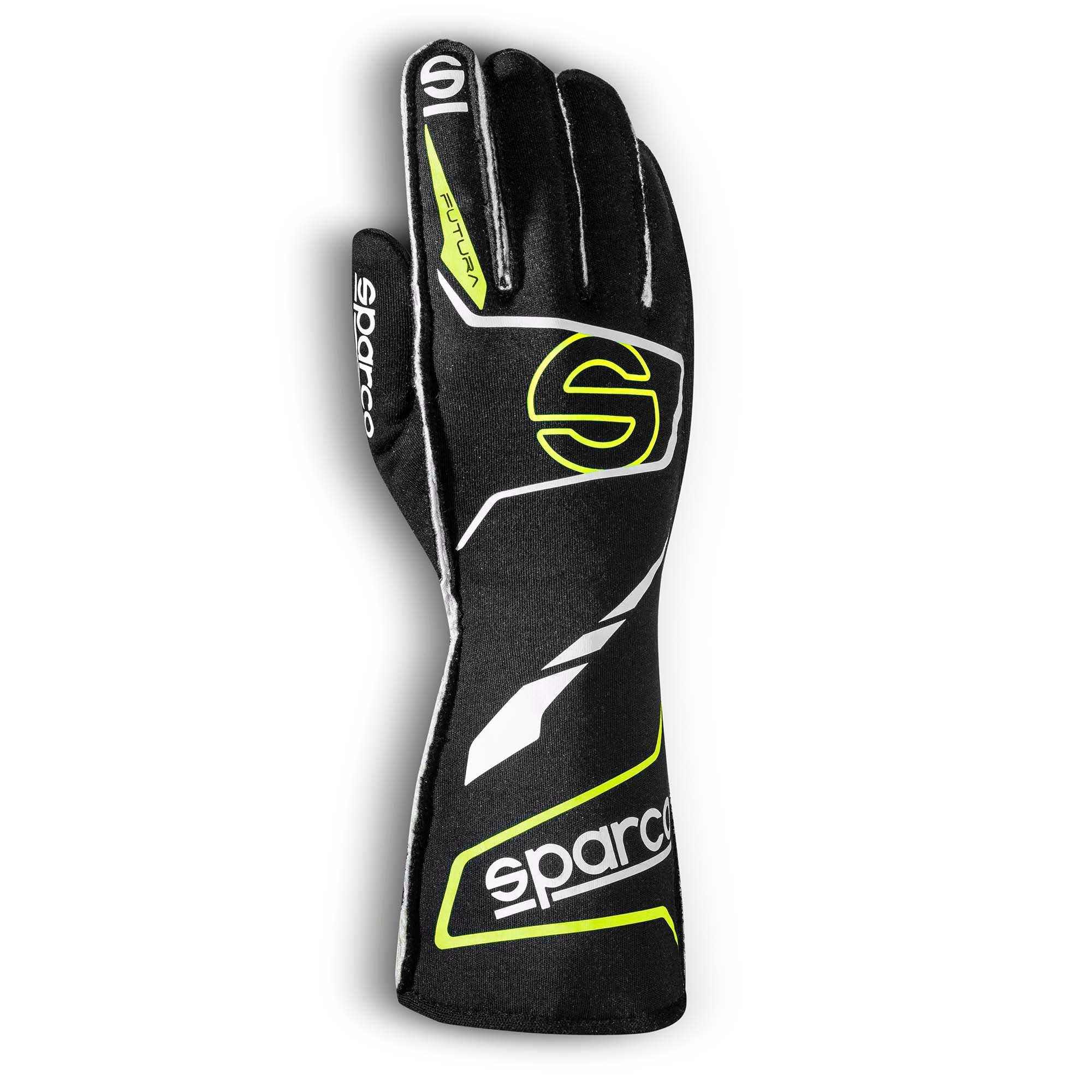
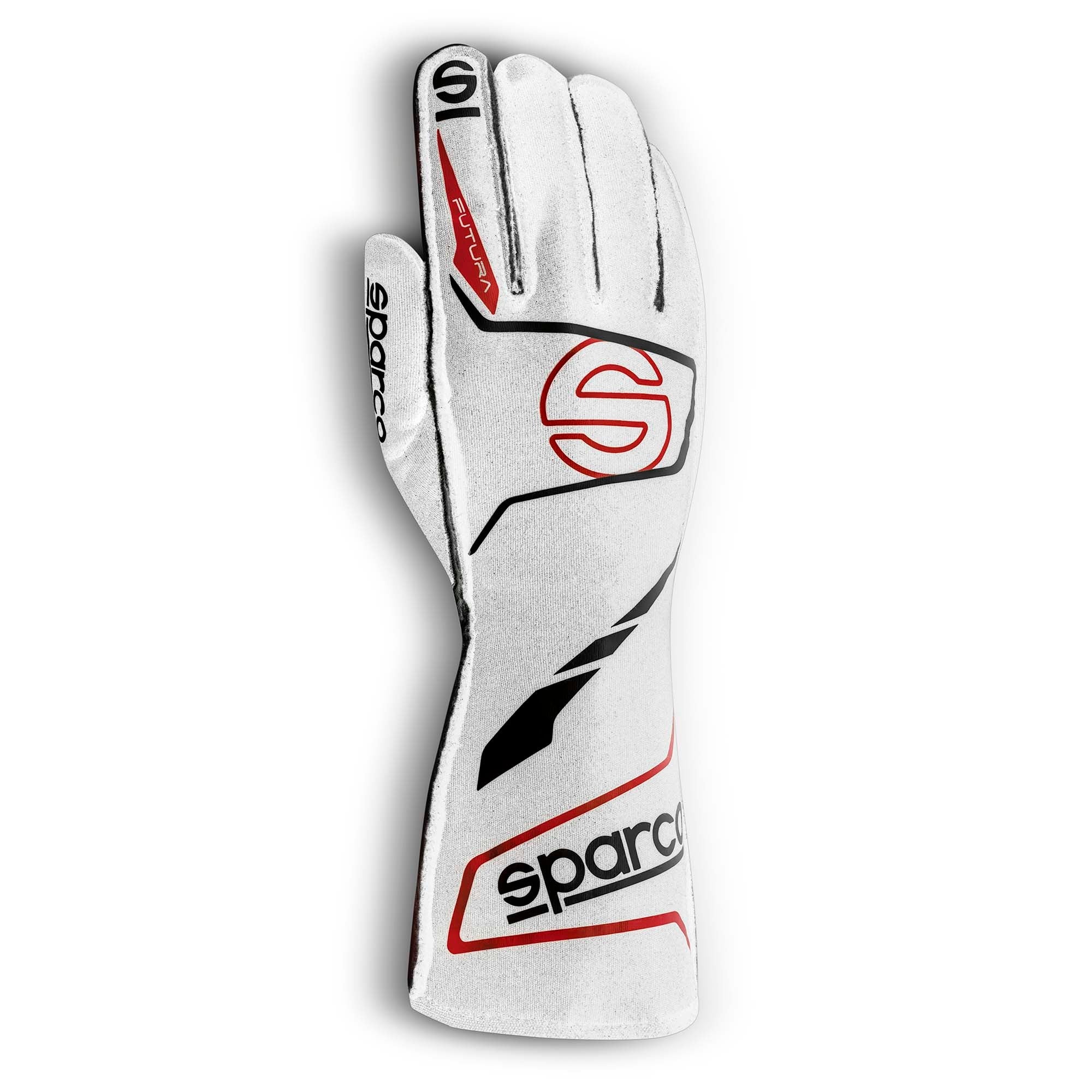
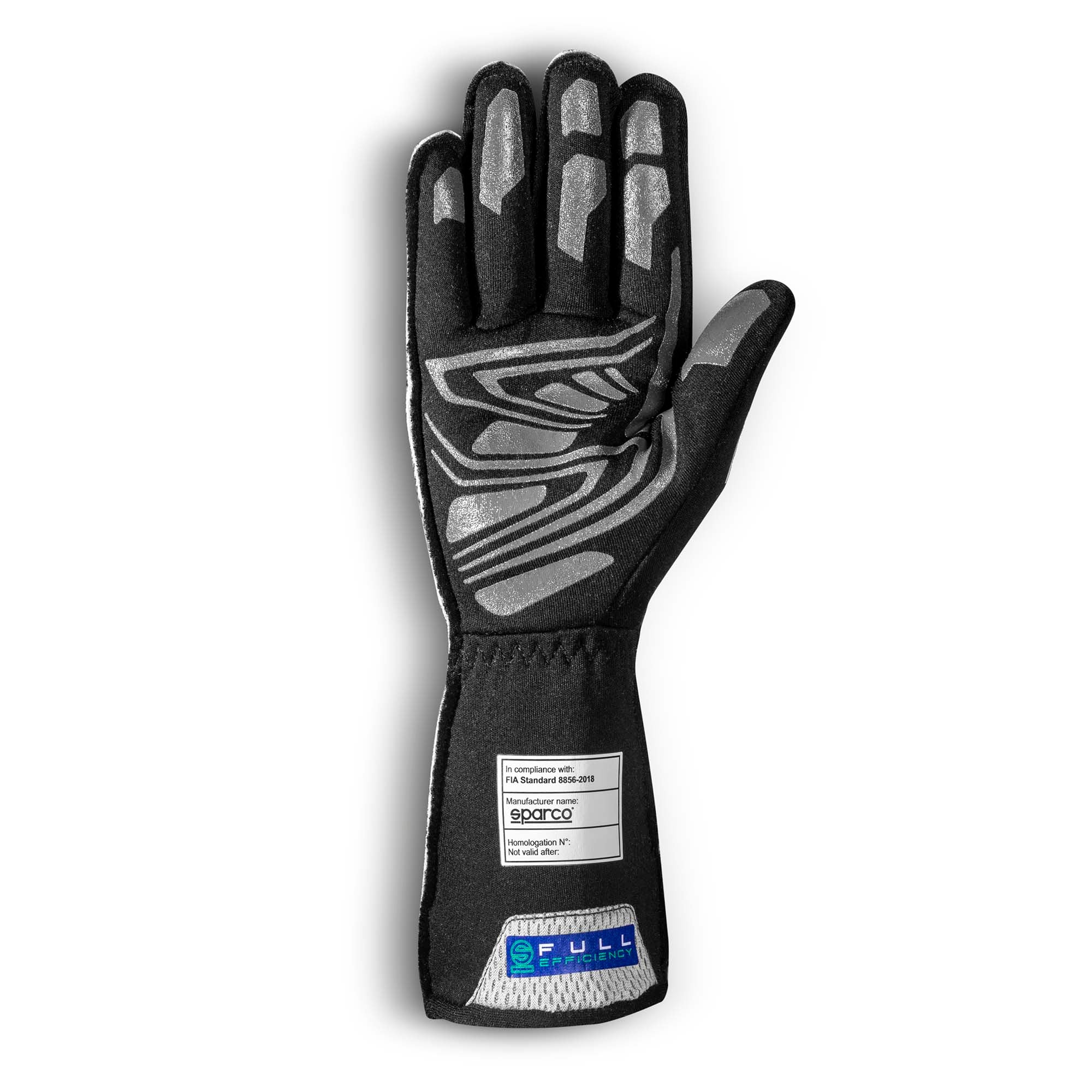
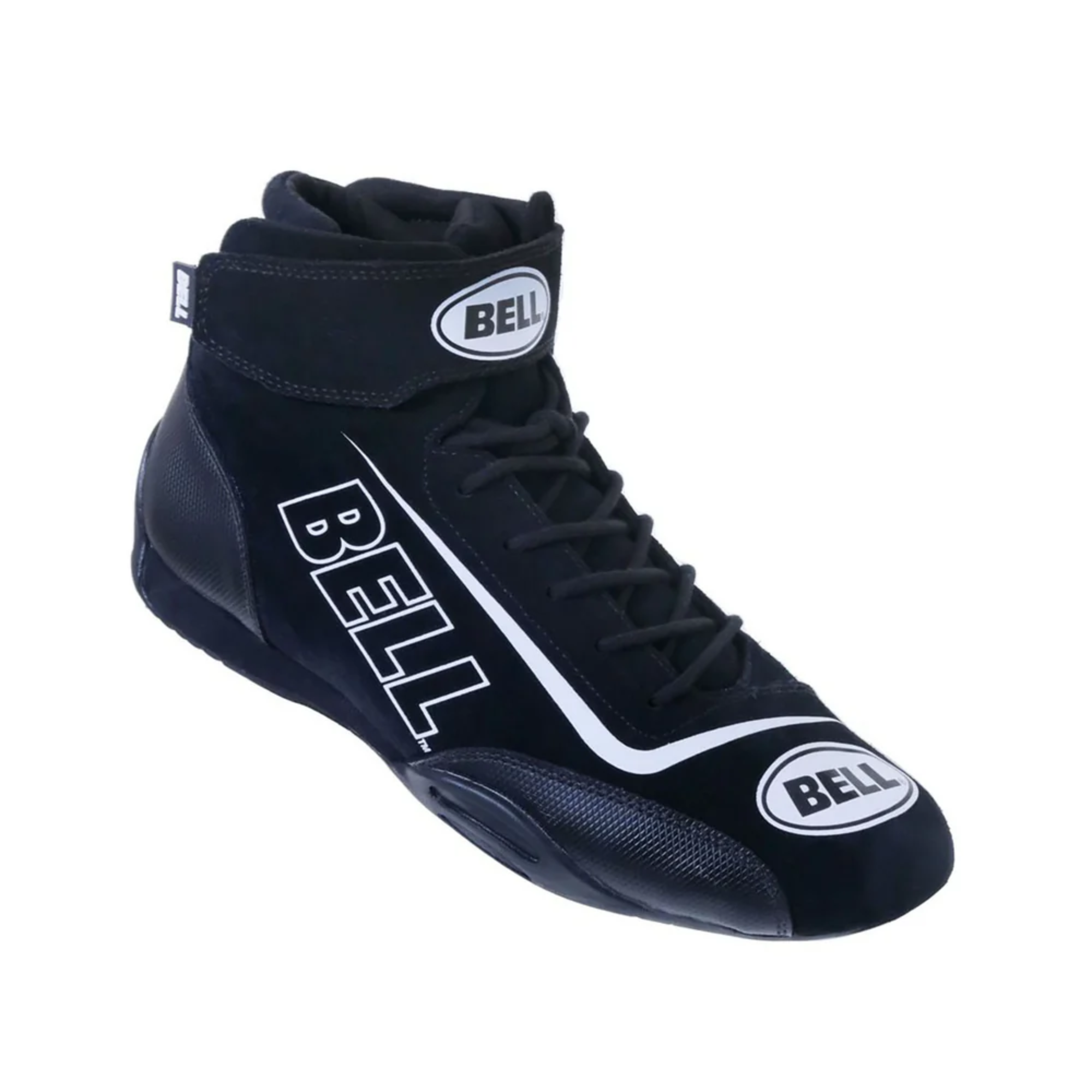
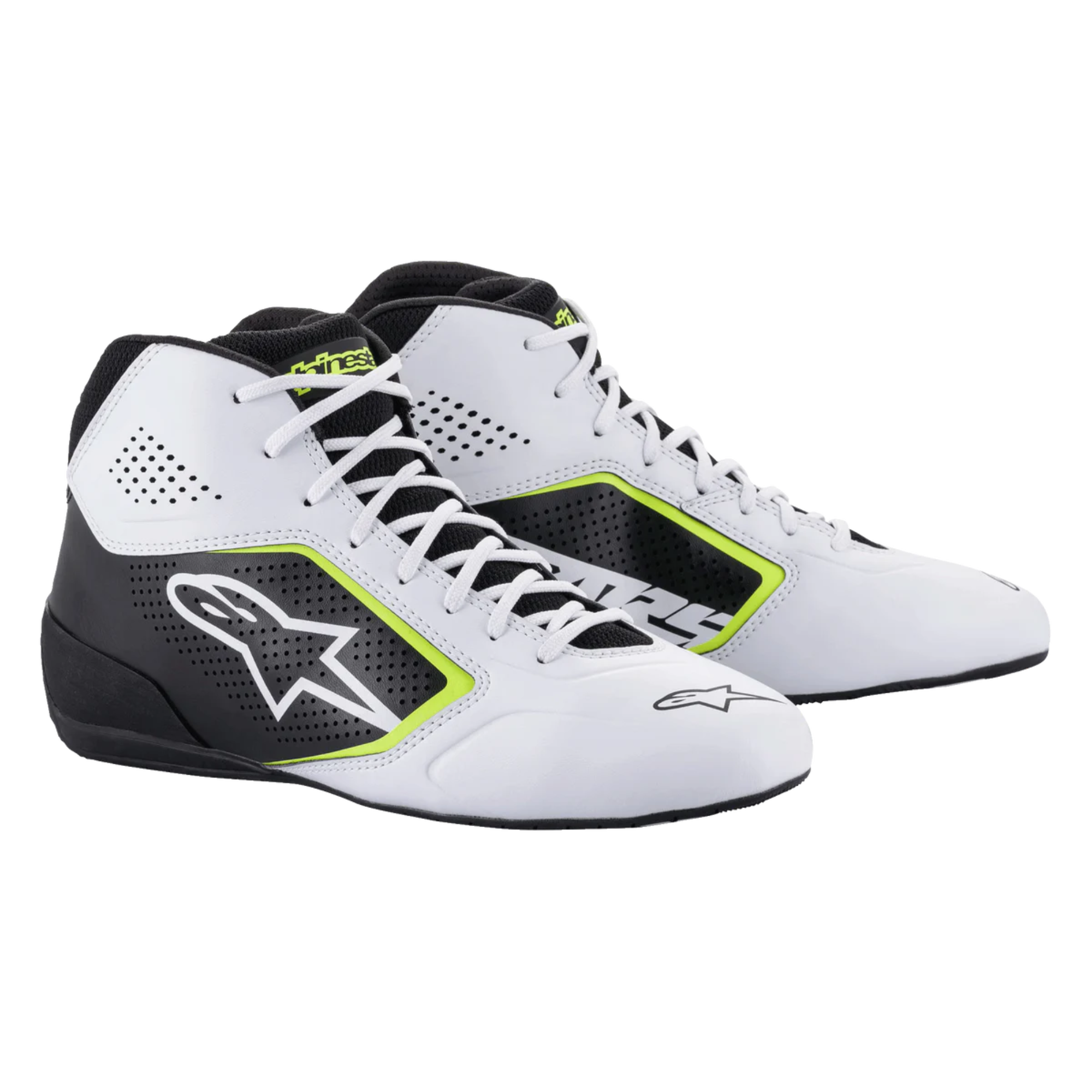
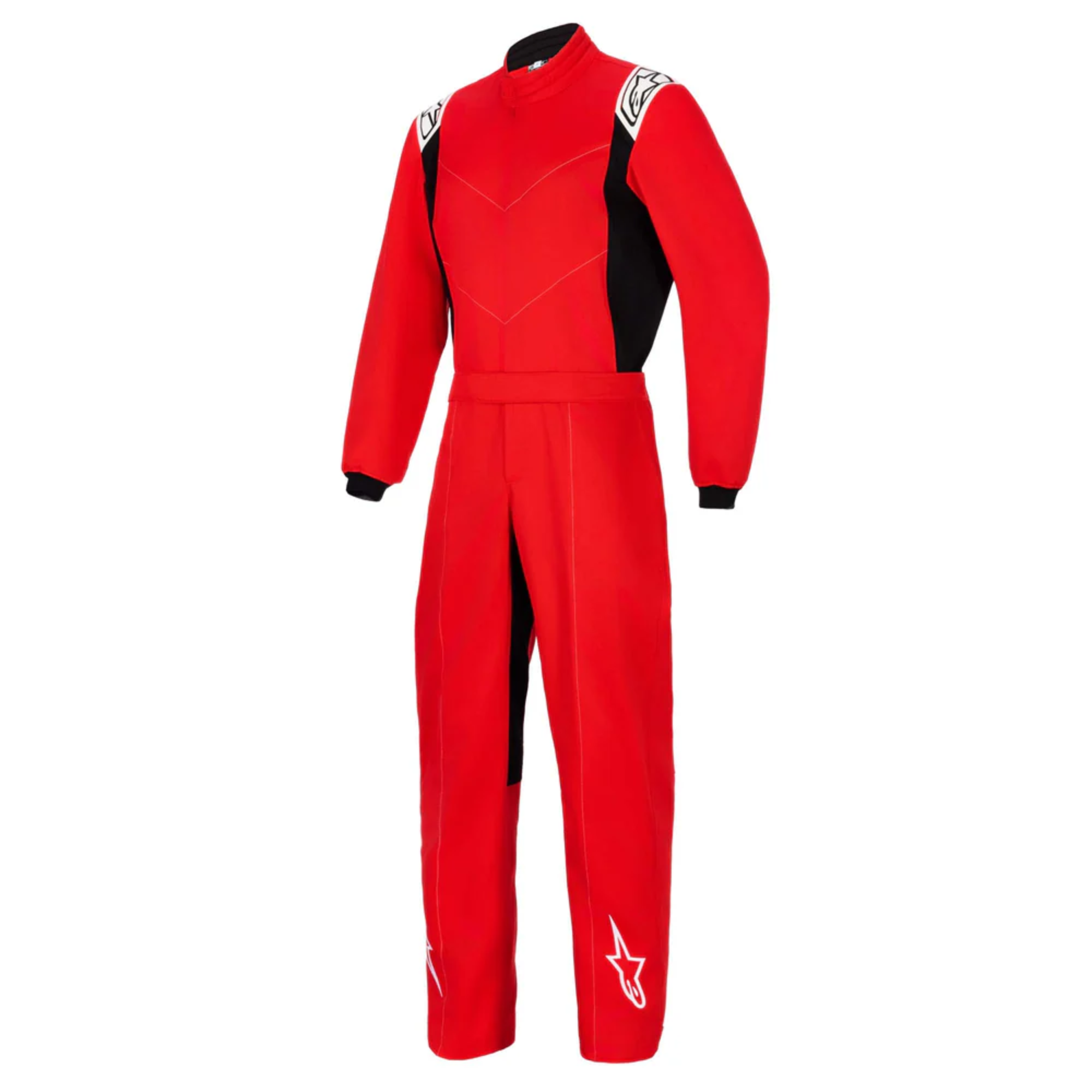
- What is an SFI or FIA rating? These are safety certifications (SFI for North America, FIA globally) that ensure gear like suits and helmets meet specific fire and impact standards.
- What is a HANS device? A Head and Neck Support device is a specific piece of racing hardware that prevents basilar skull fractures during a front-end collision. If you’re a fan of F1, it’s the part attached to the helmet that sits on the shoulder! Curious what they look like or need one? Check out our Head and Neck Restraint (HANS) devices.
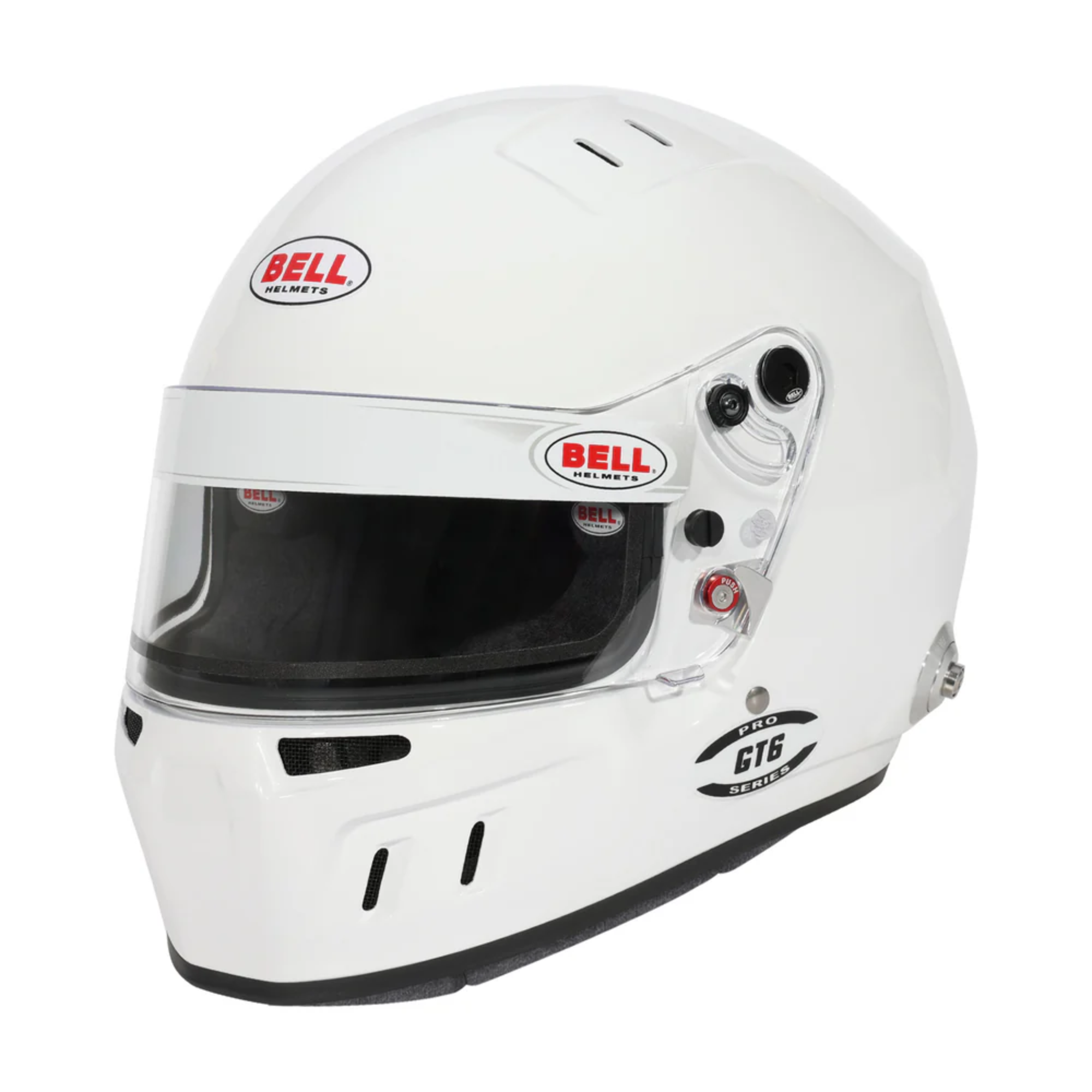
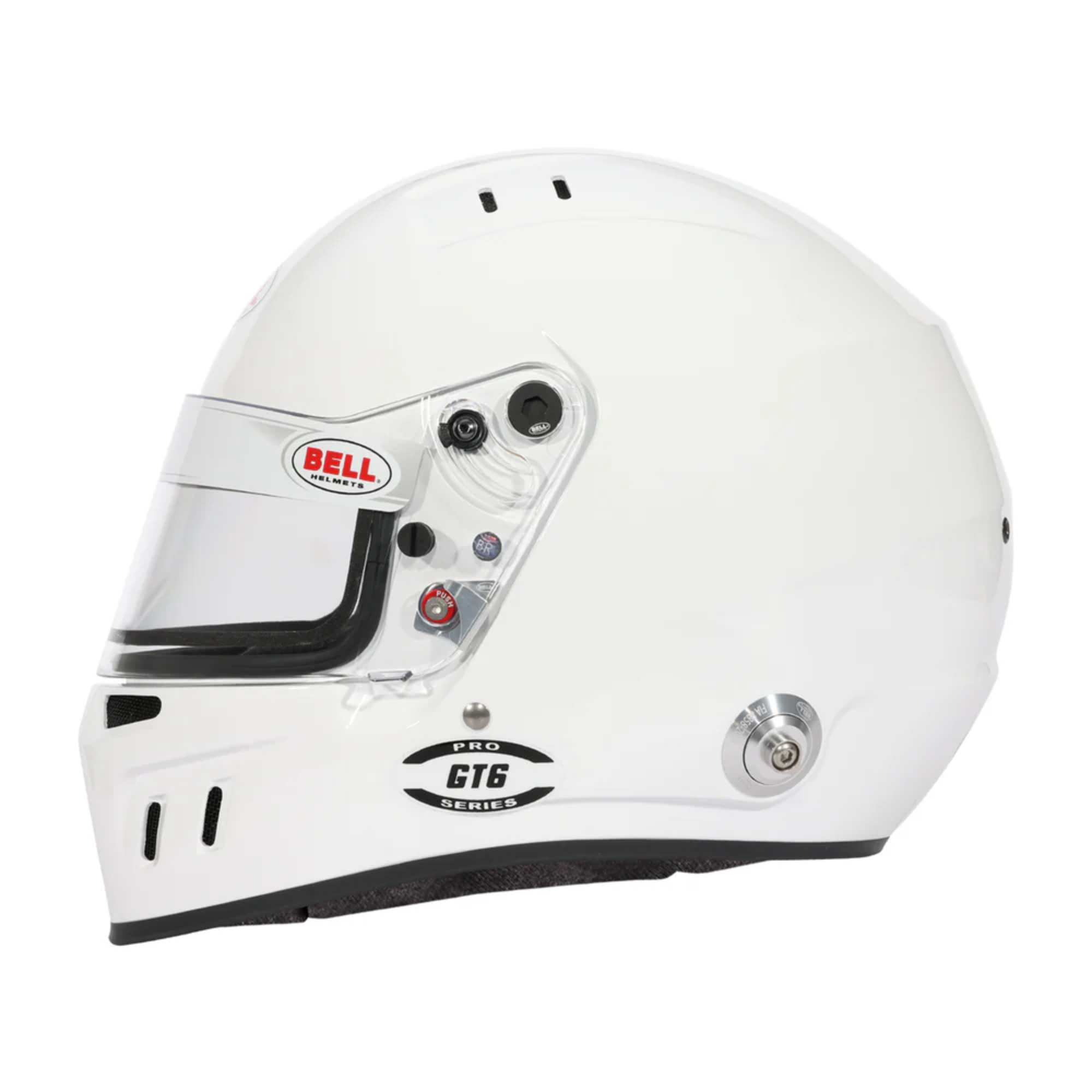
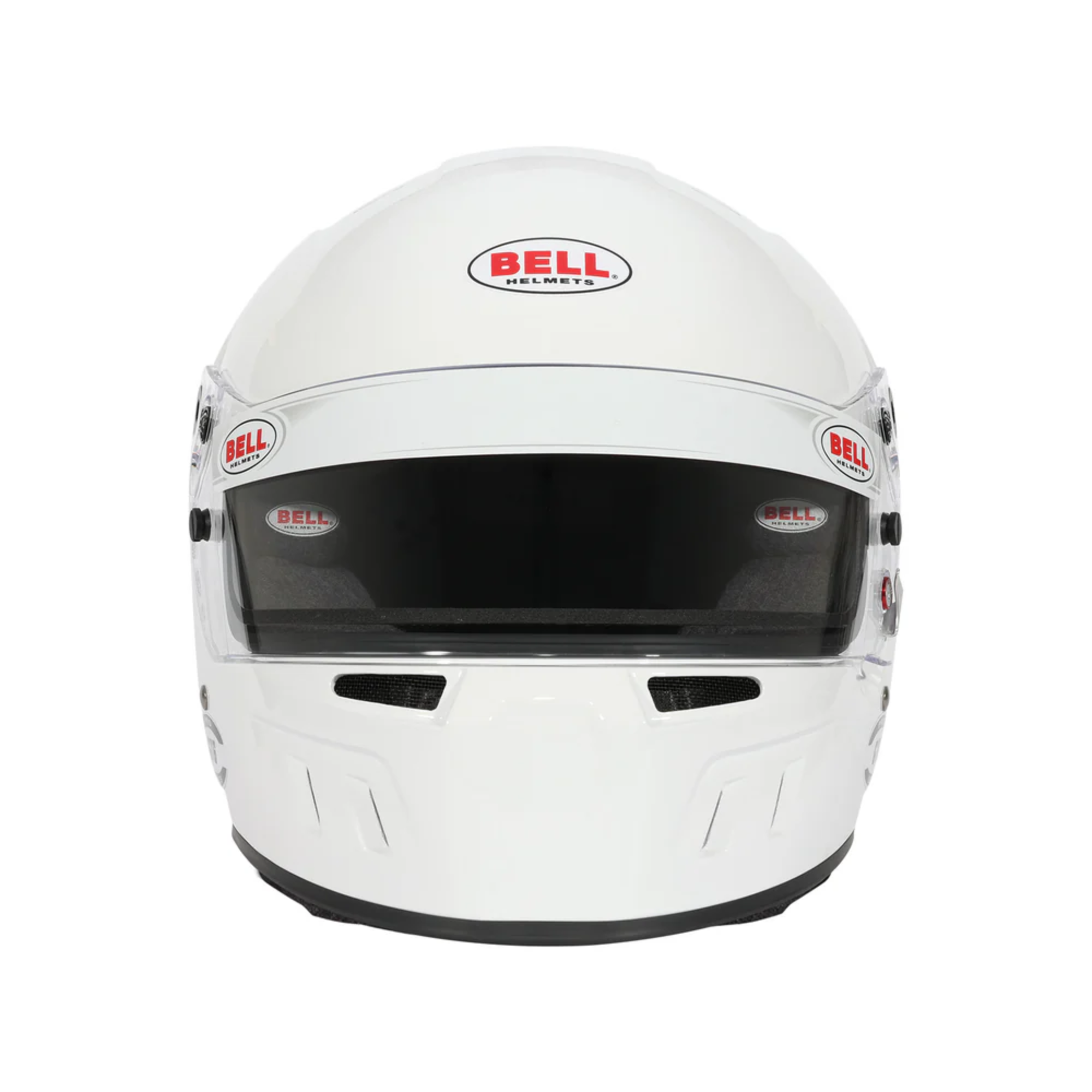
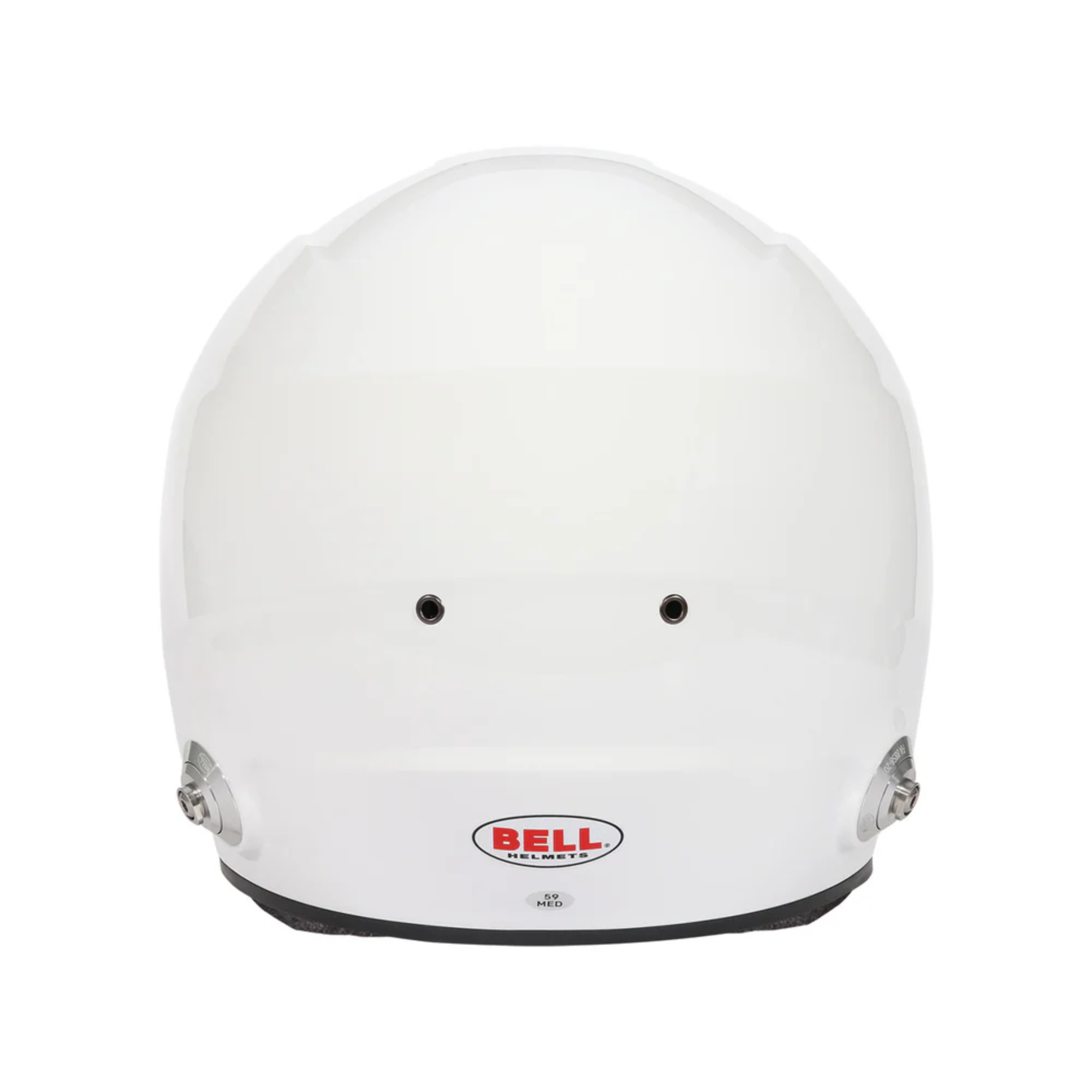
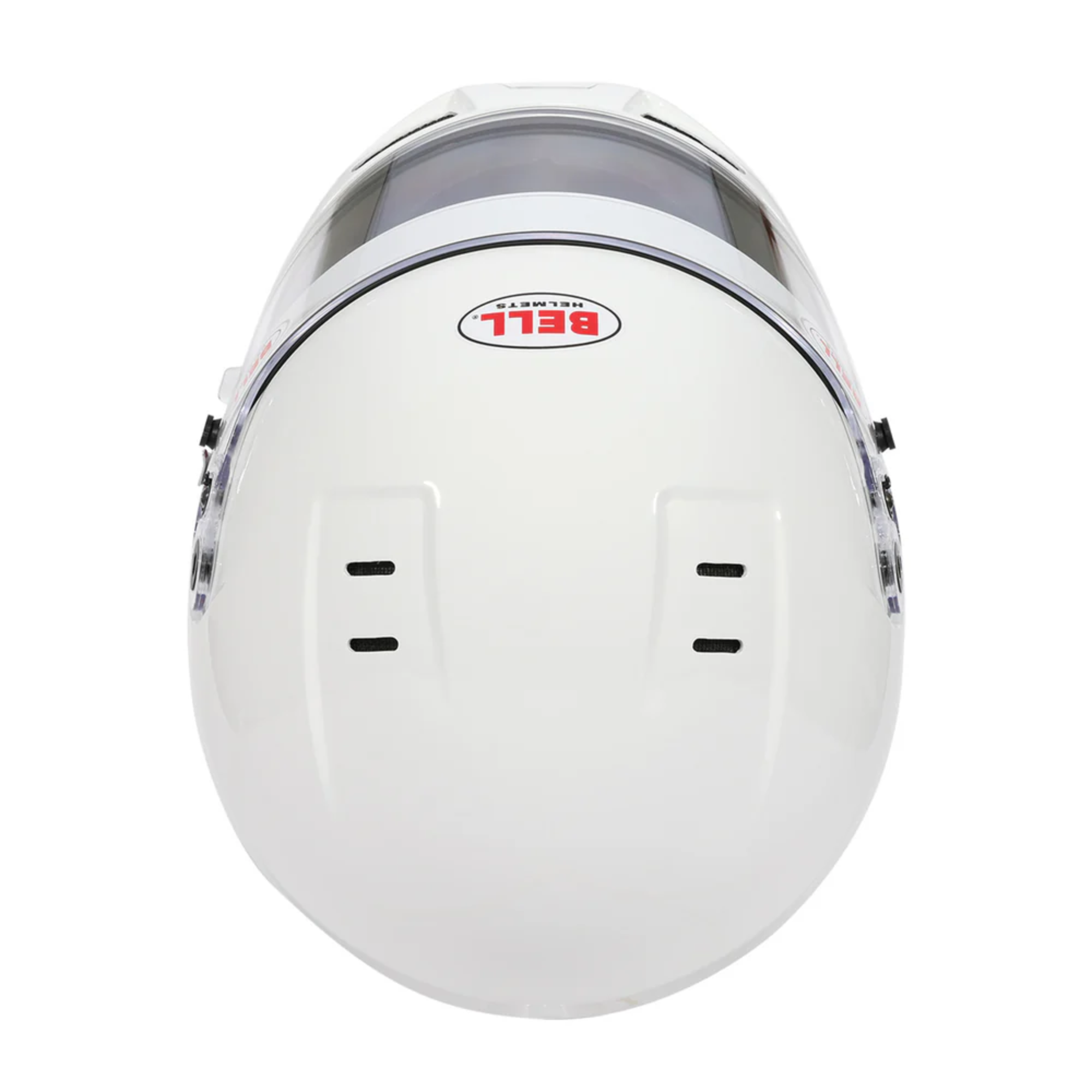
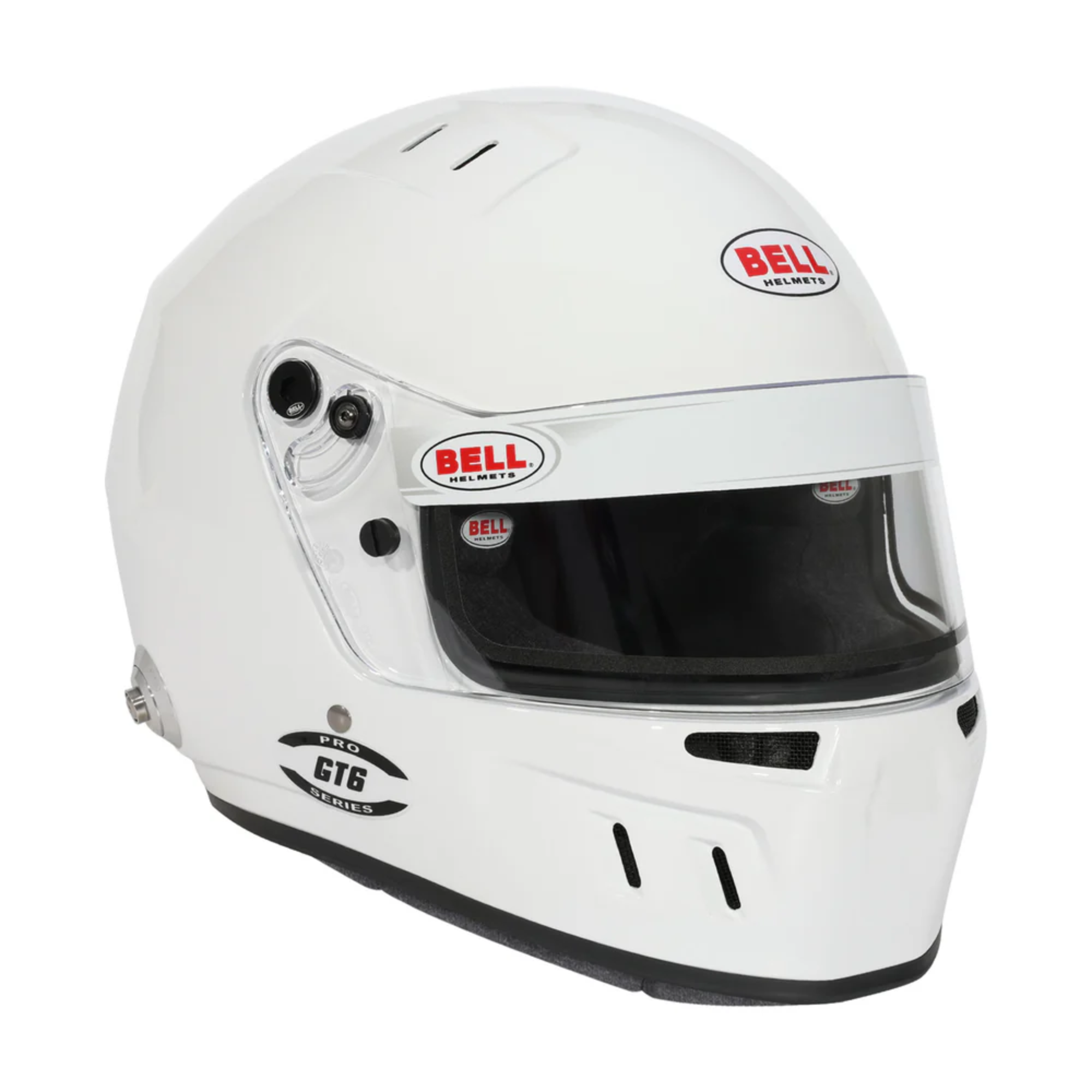
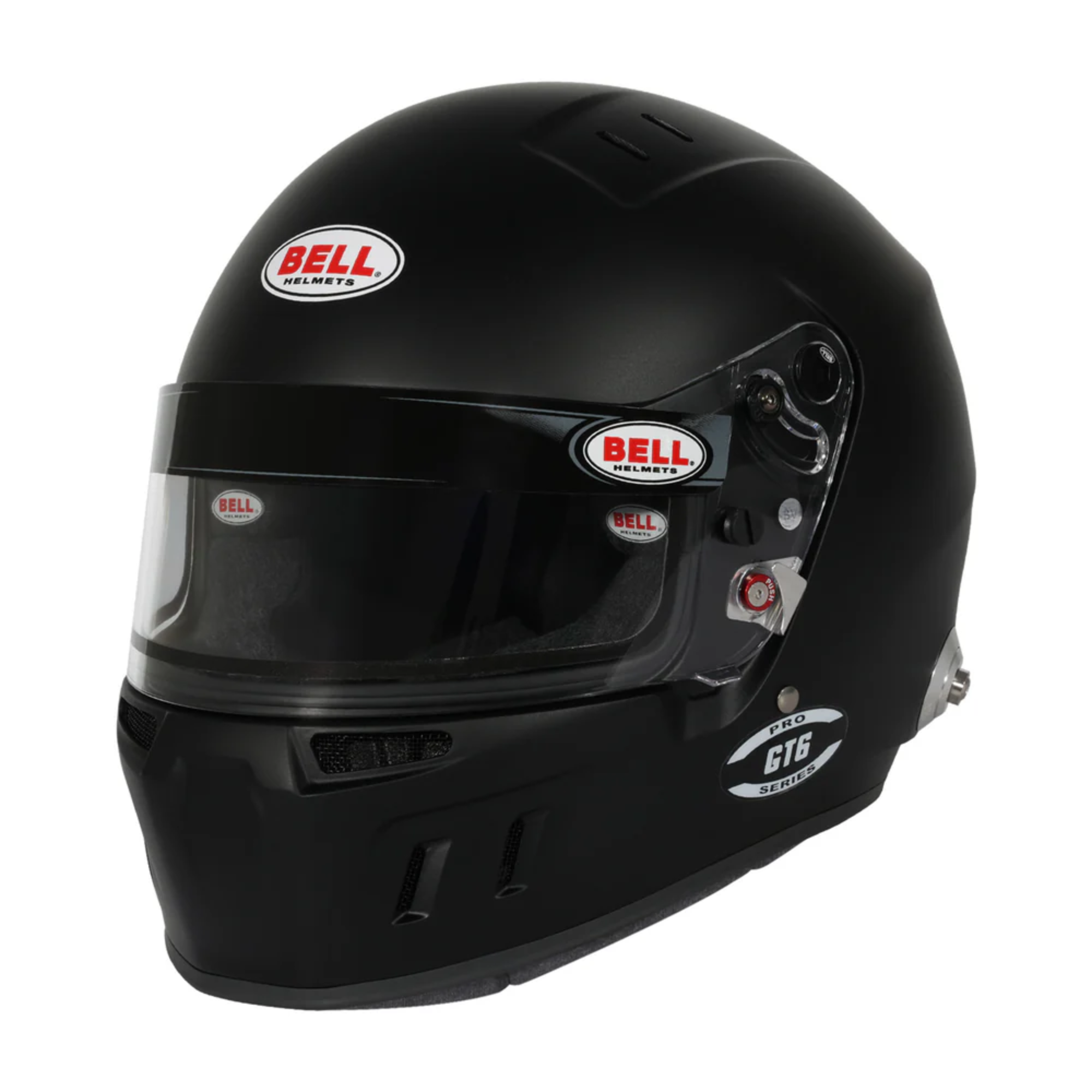
- How often should I replace my racing helmet? Generally, every 5 to 10 years, or immediately after any significant impact or damage to the helmet. Need a new one? Explore our helmet selection.
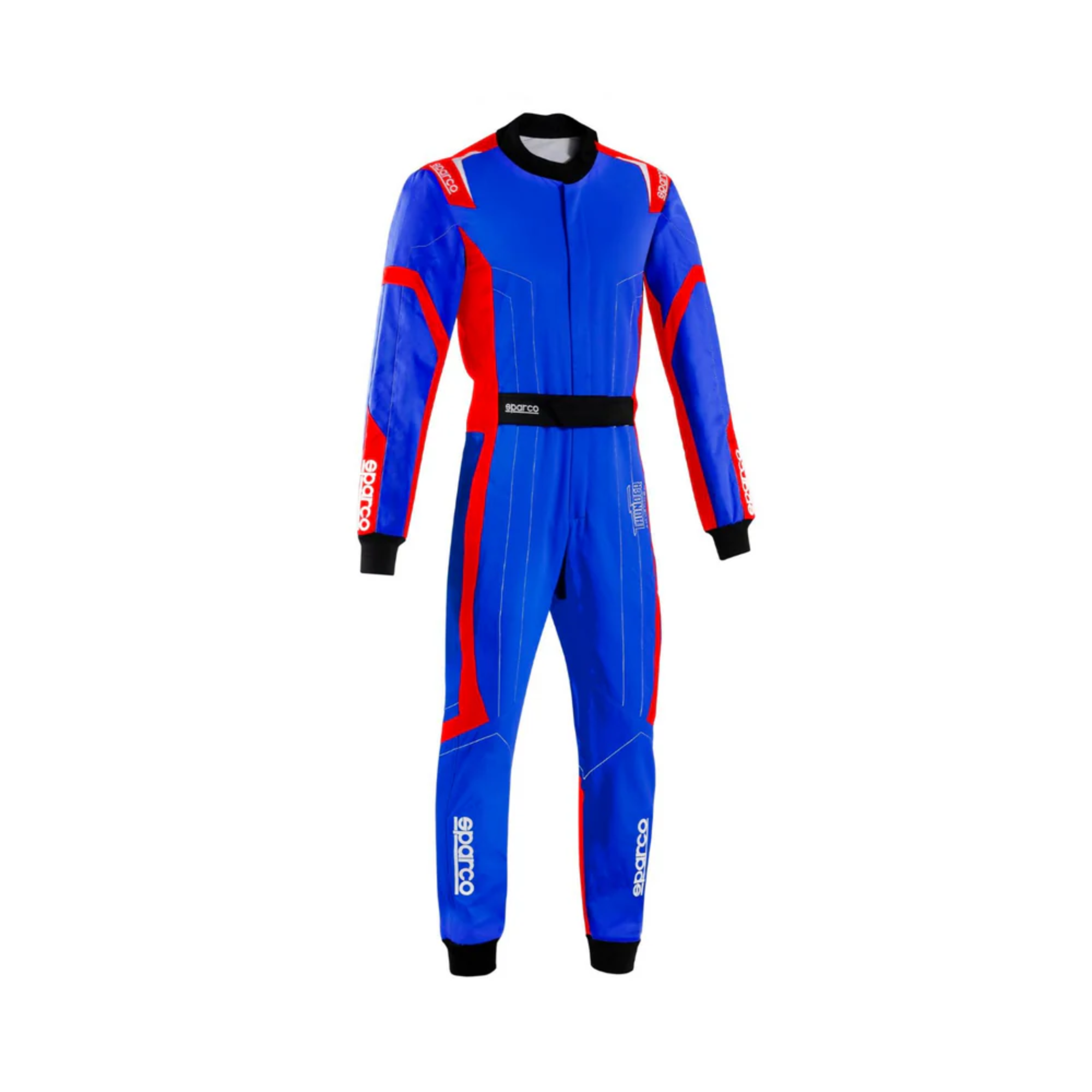
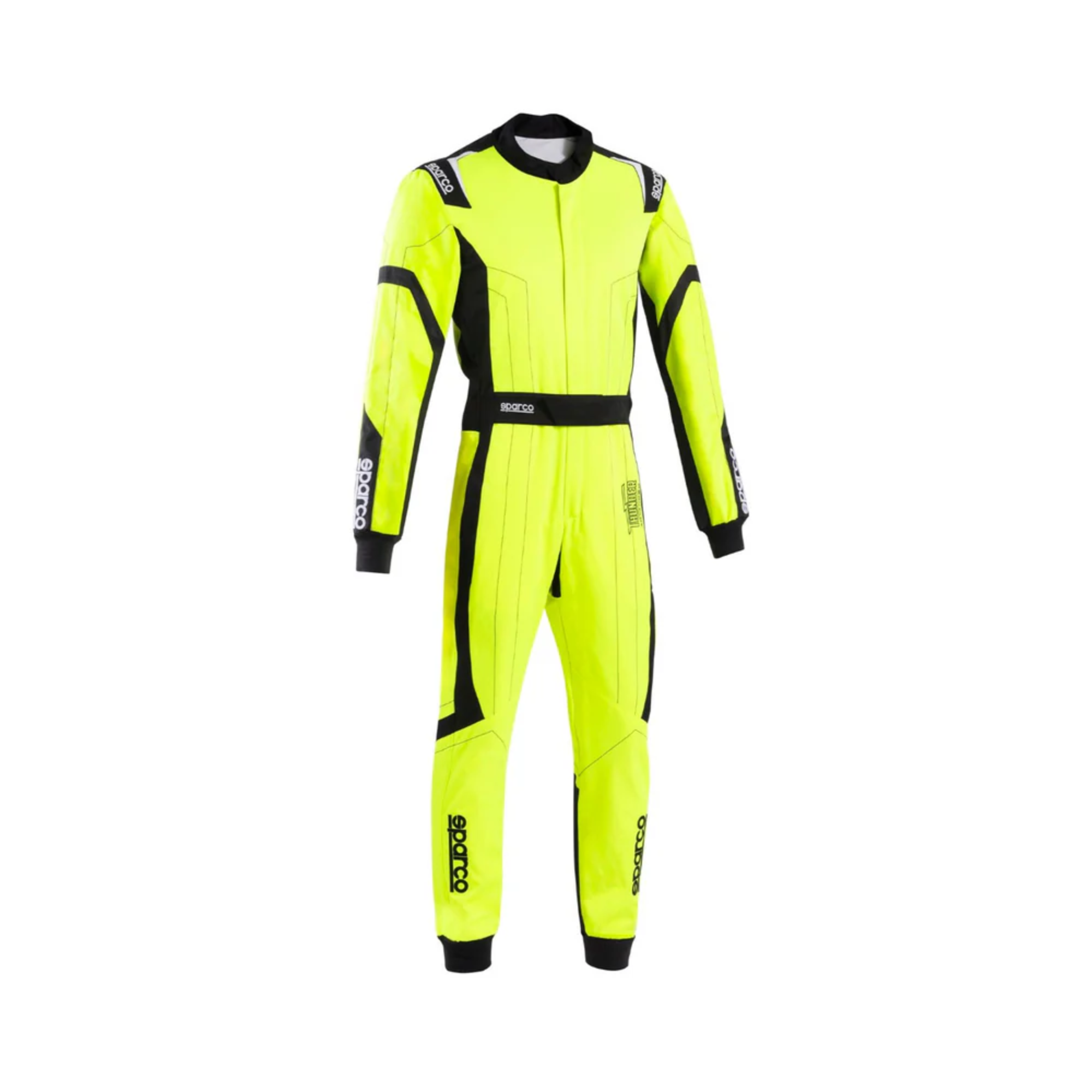
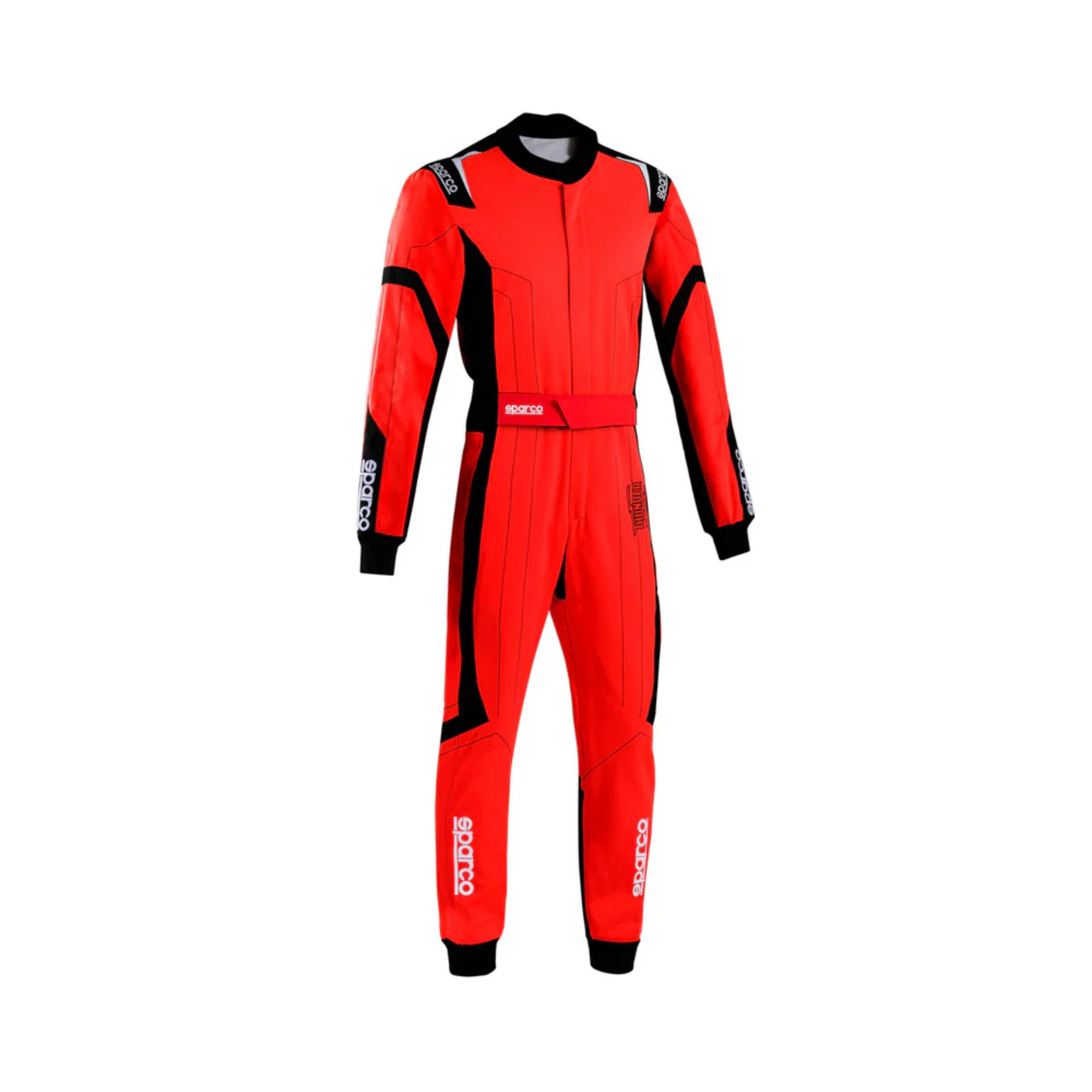
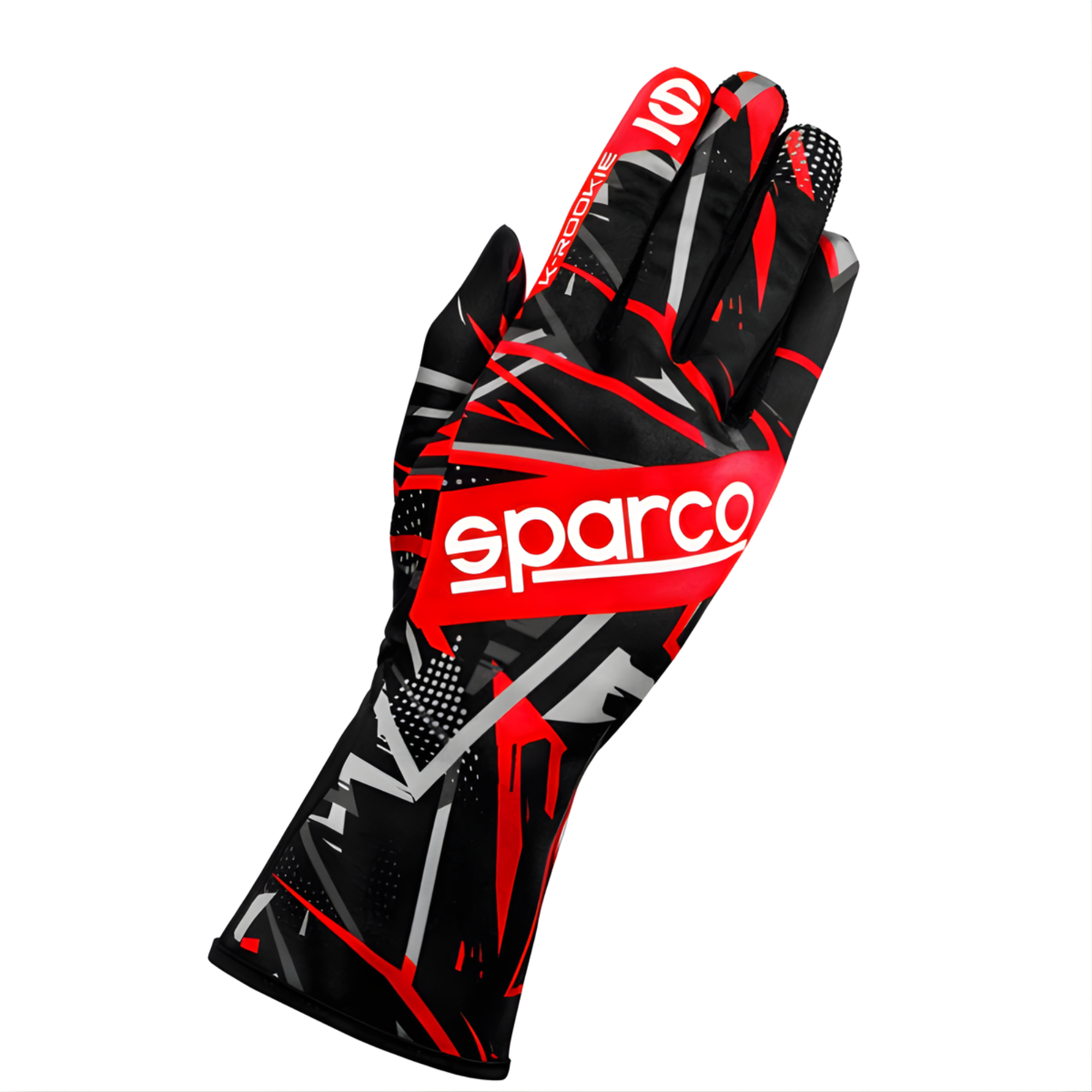
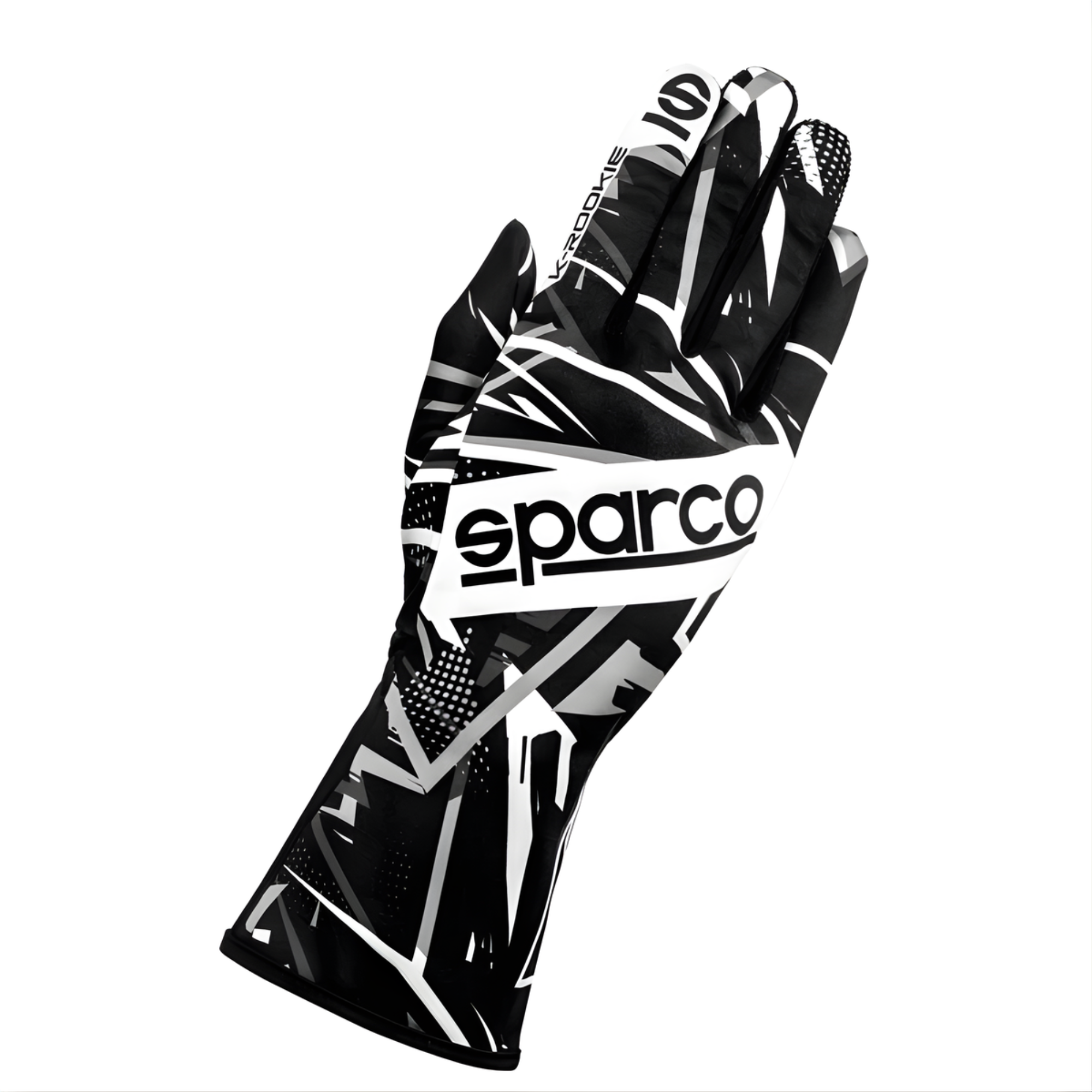
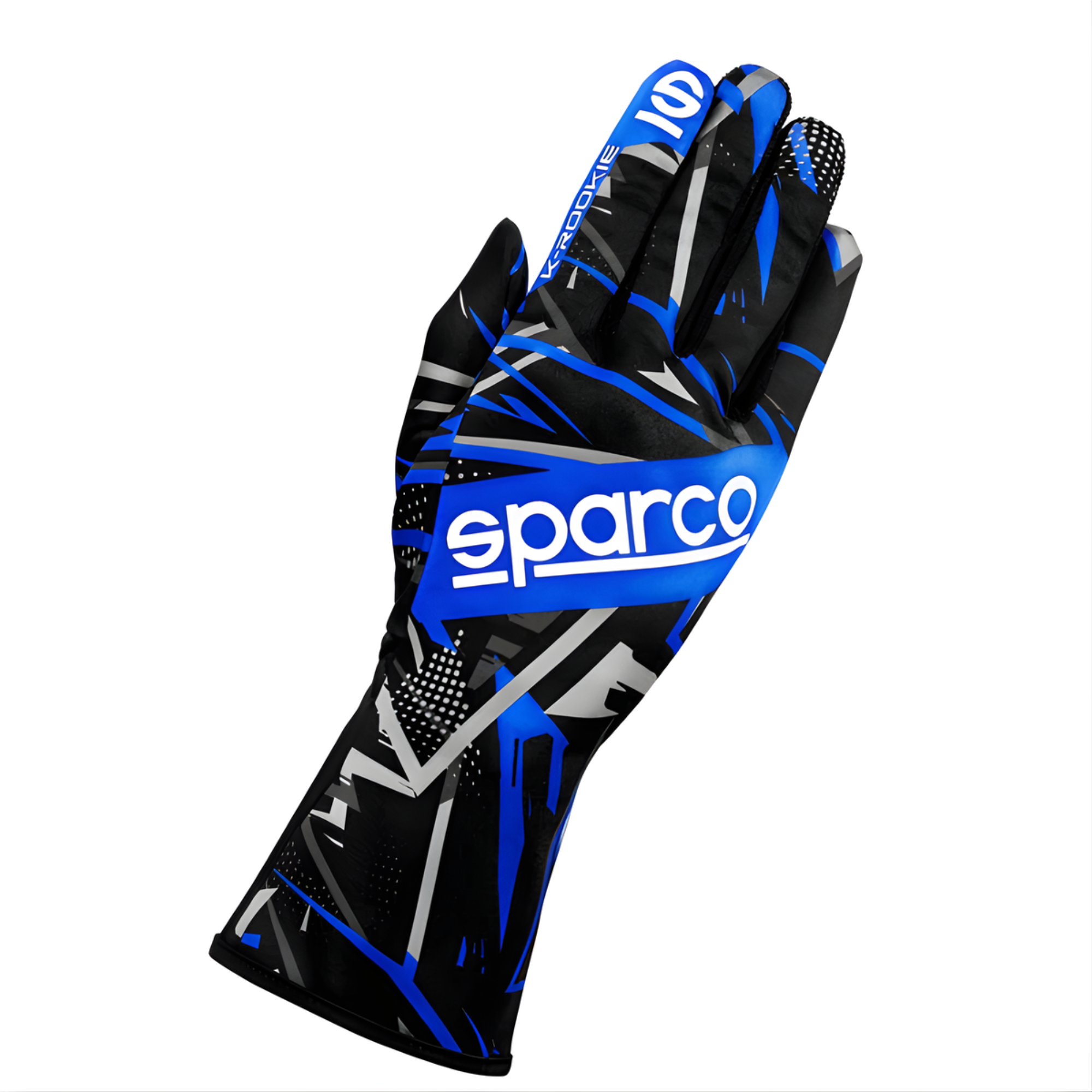
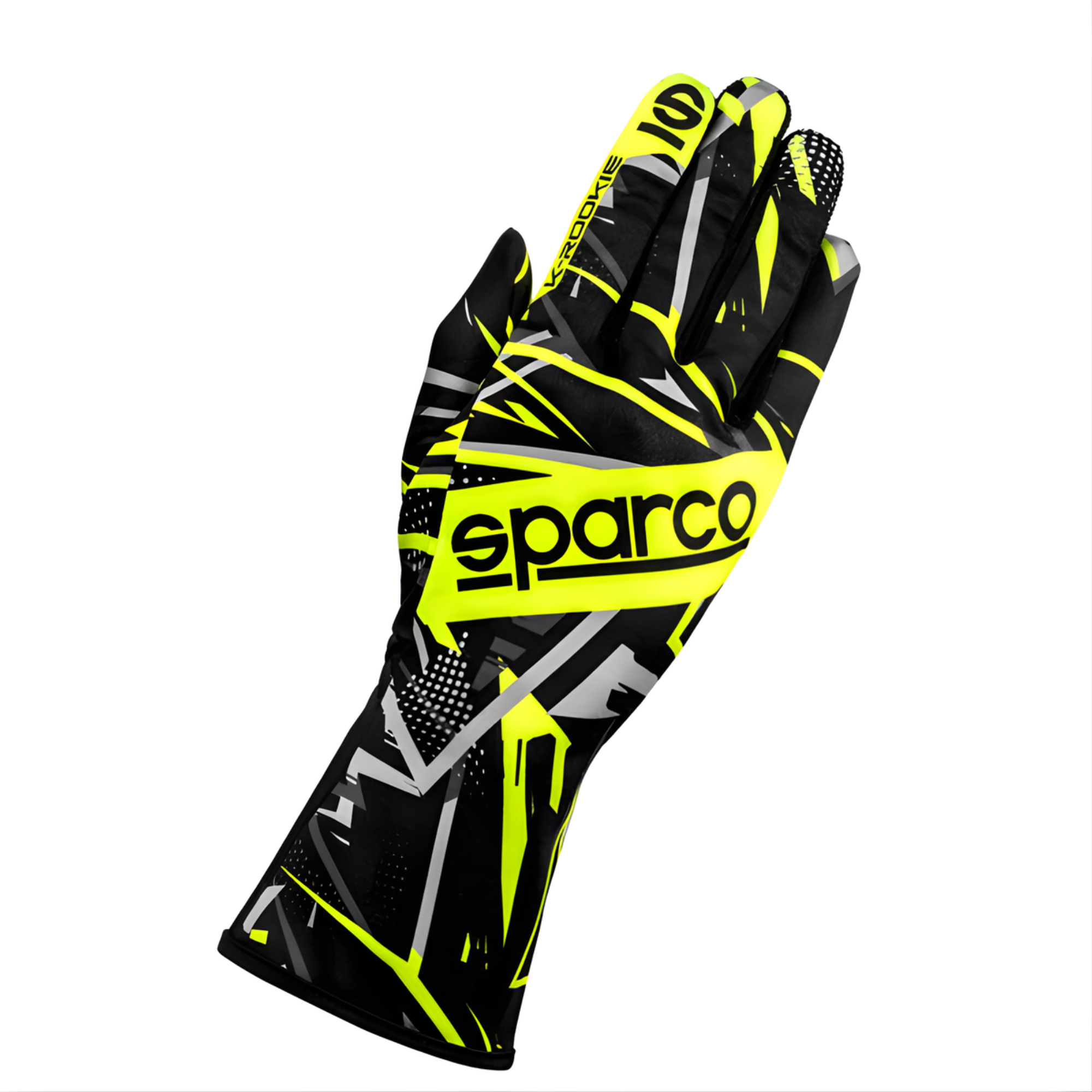
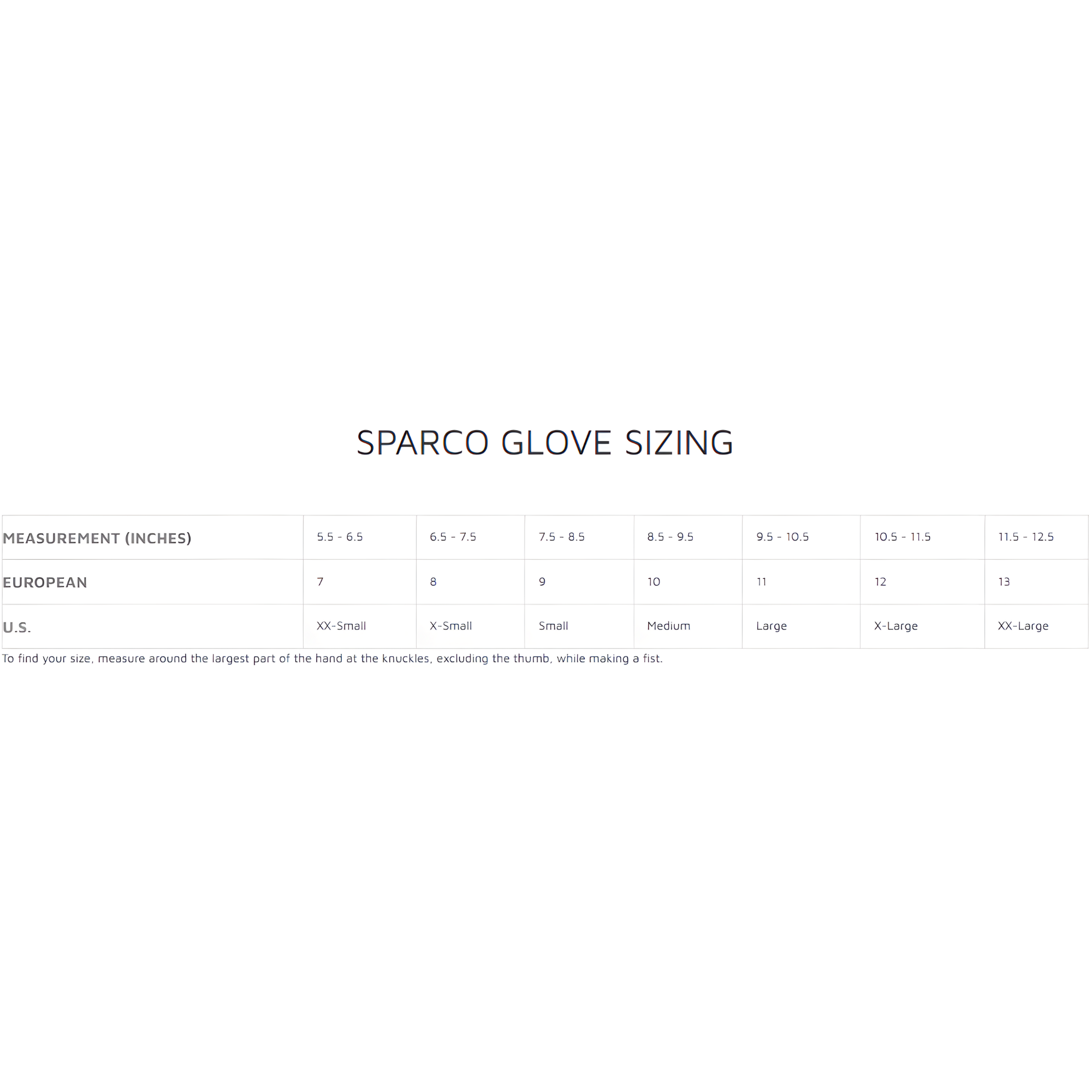
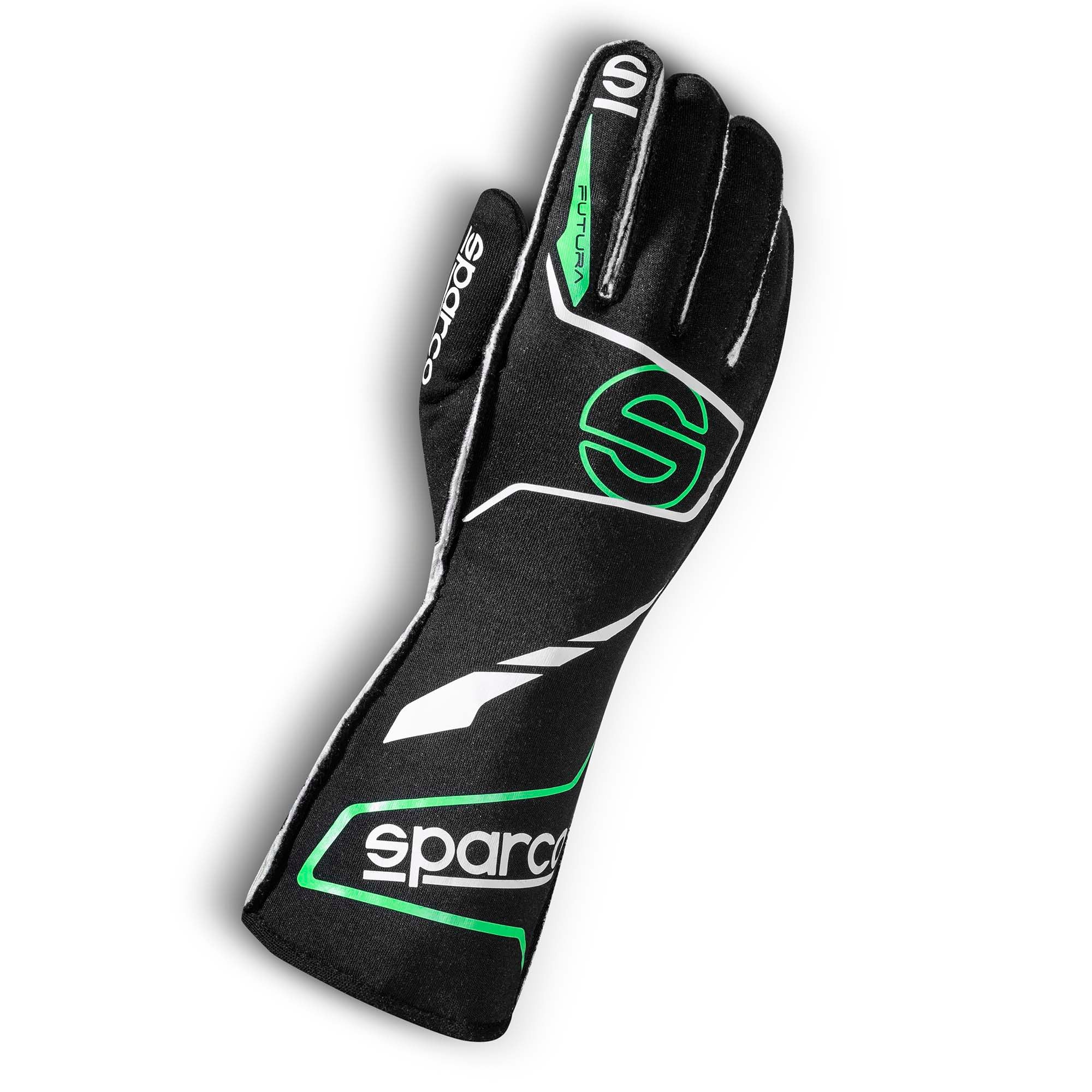
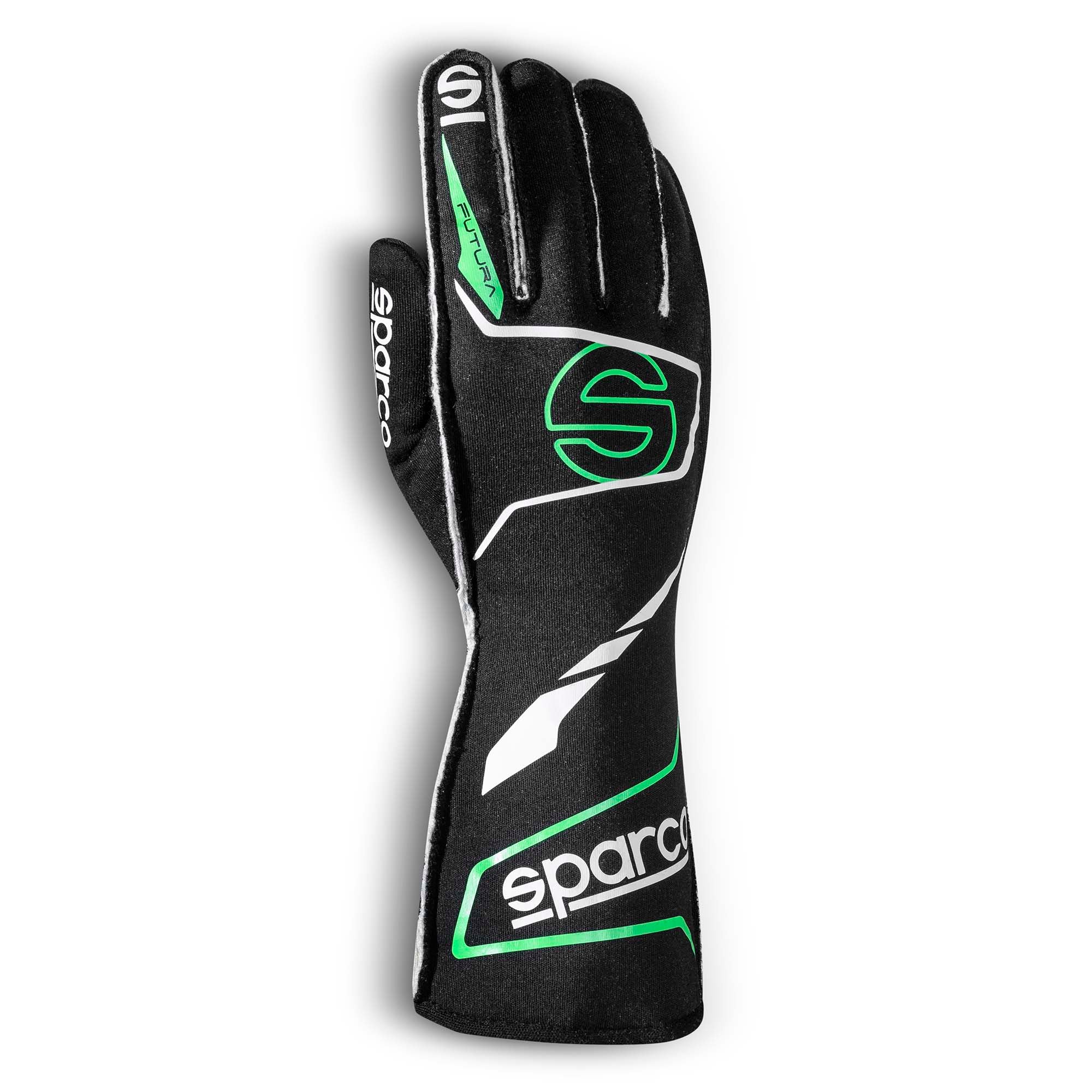
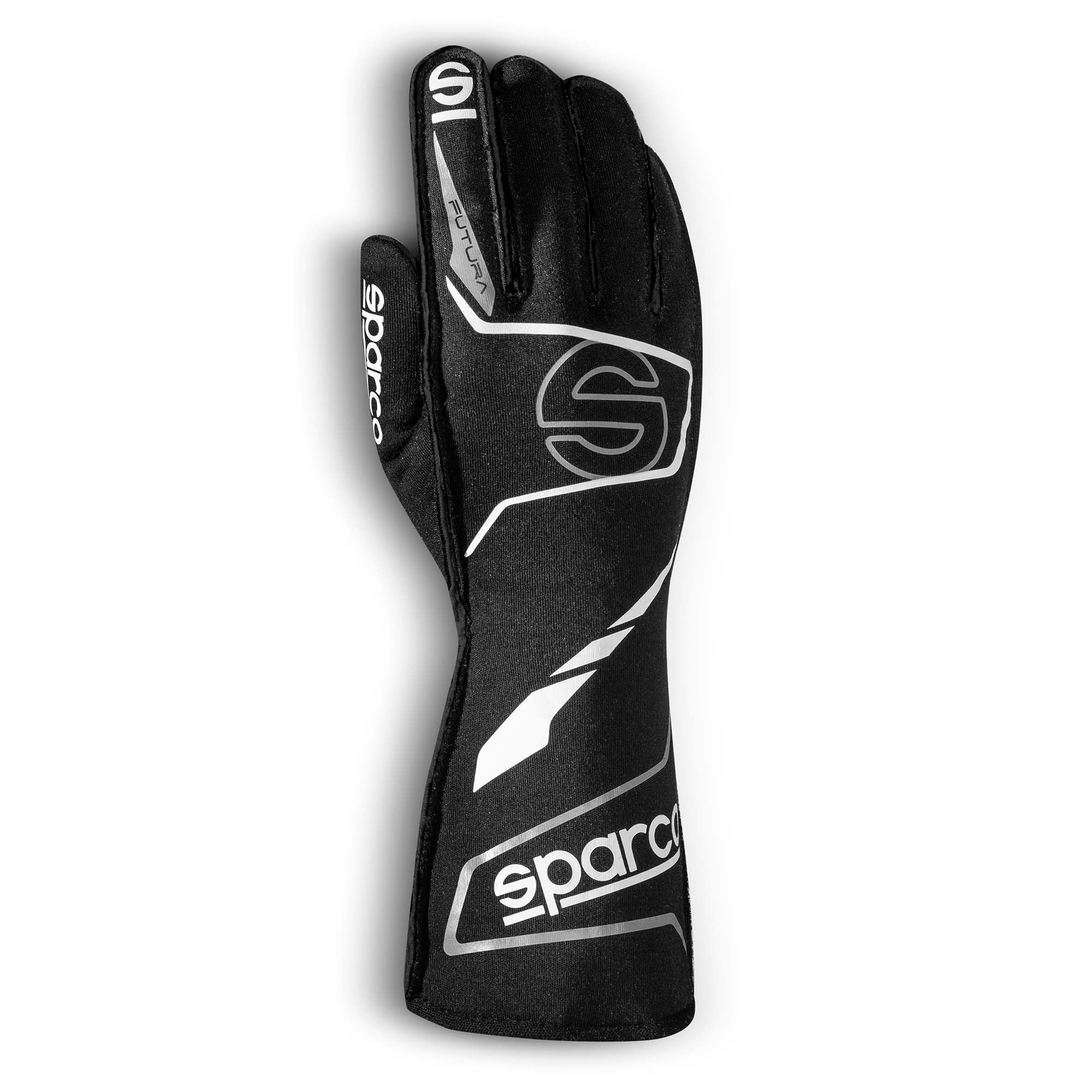
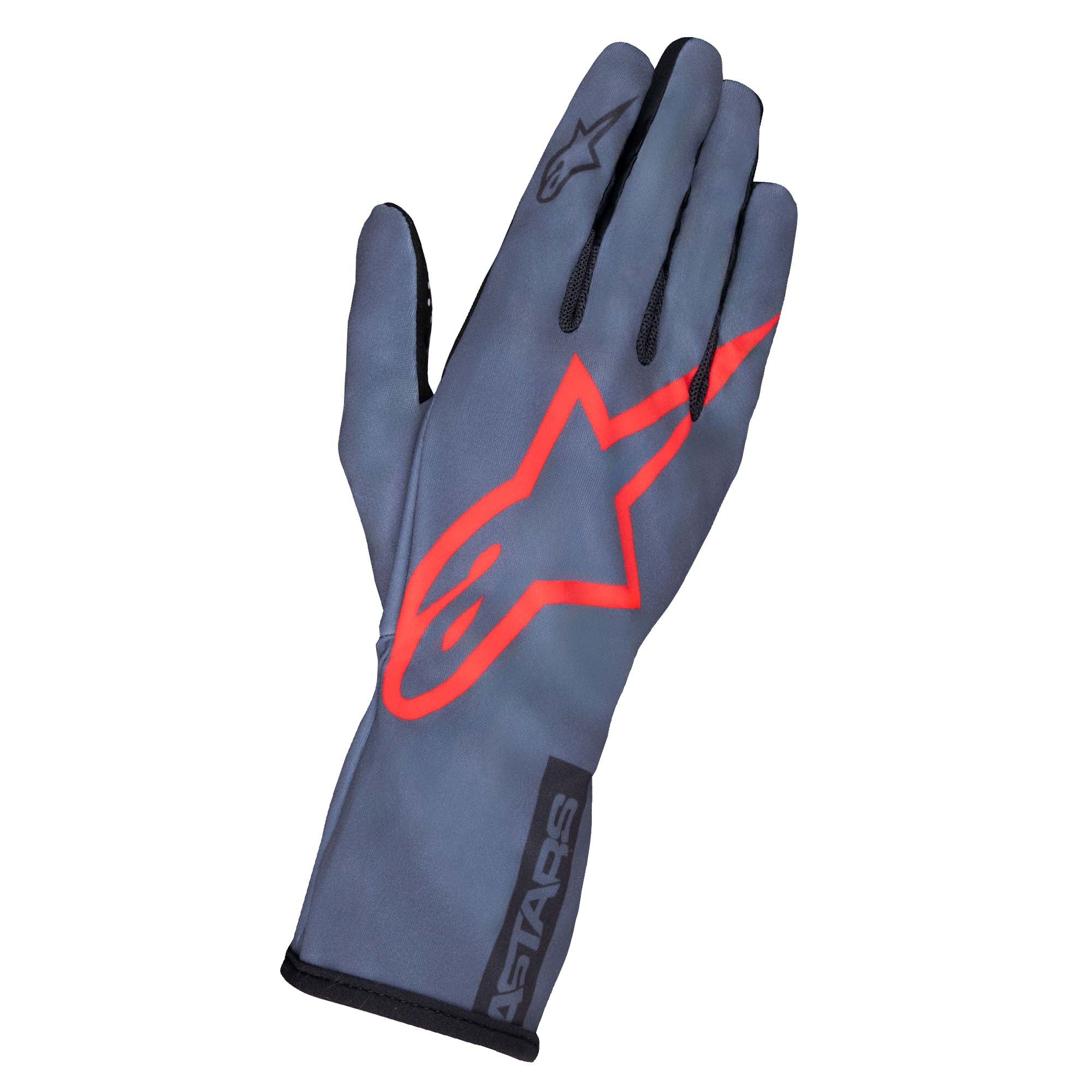
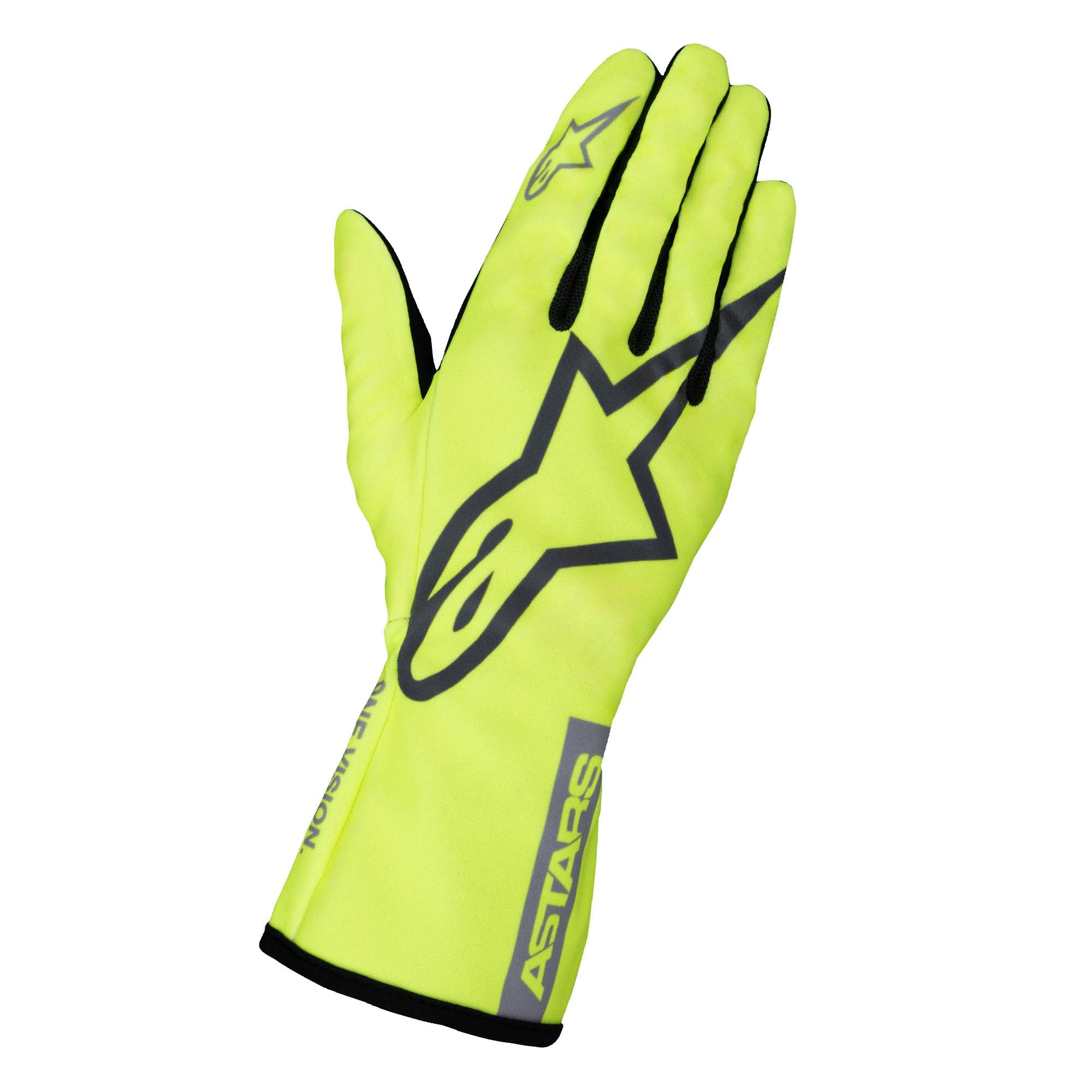
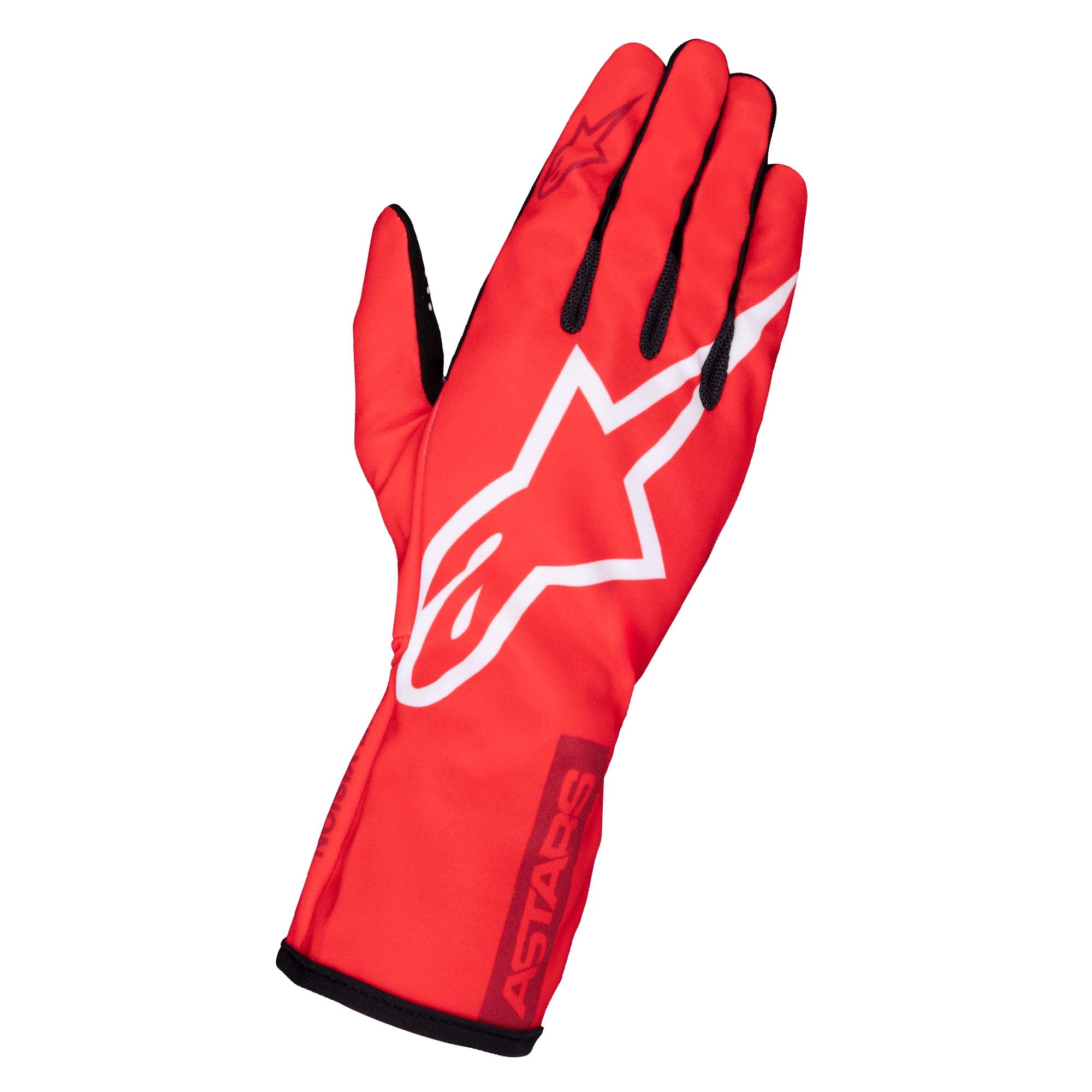
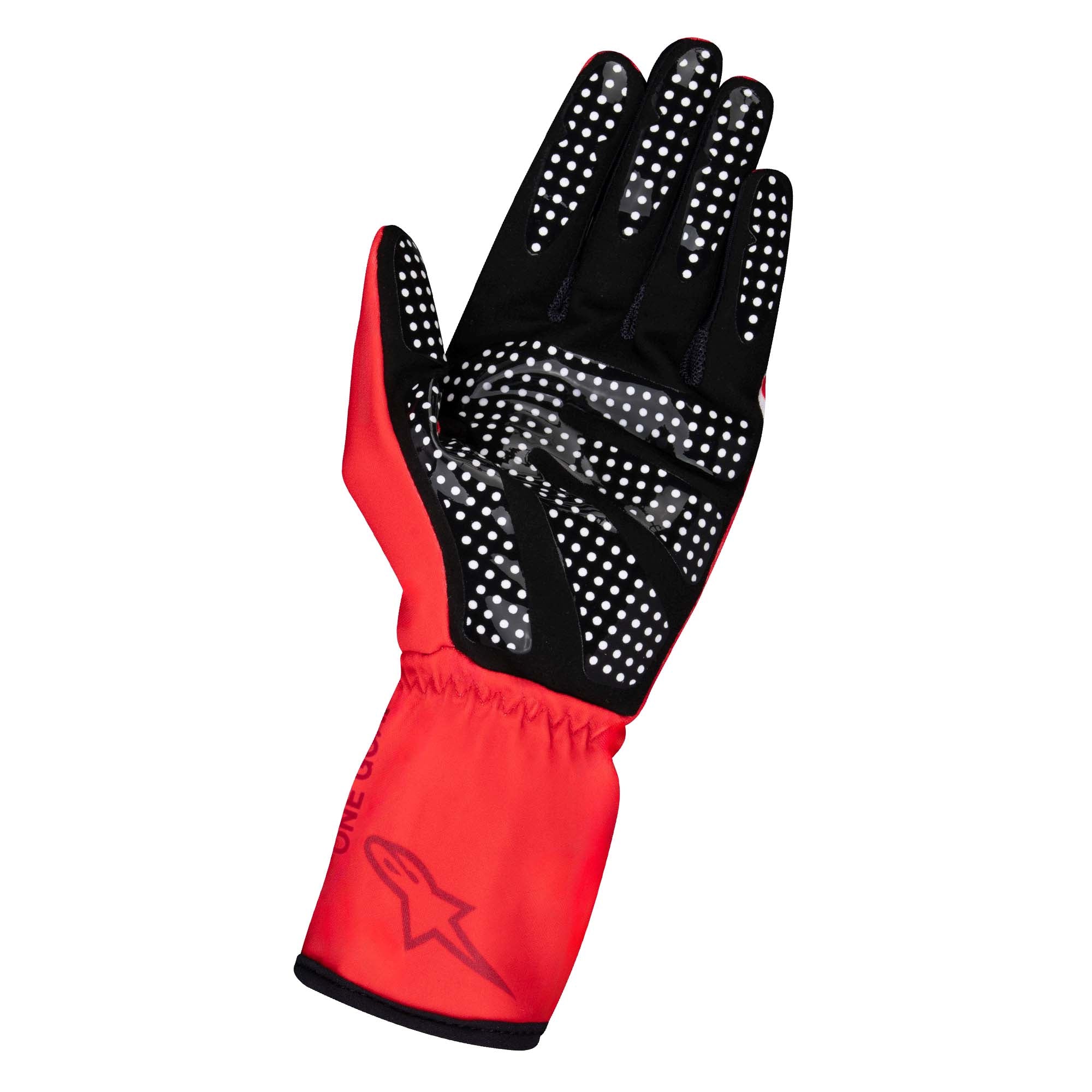
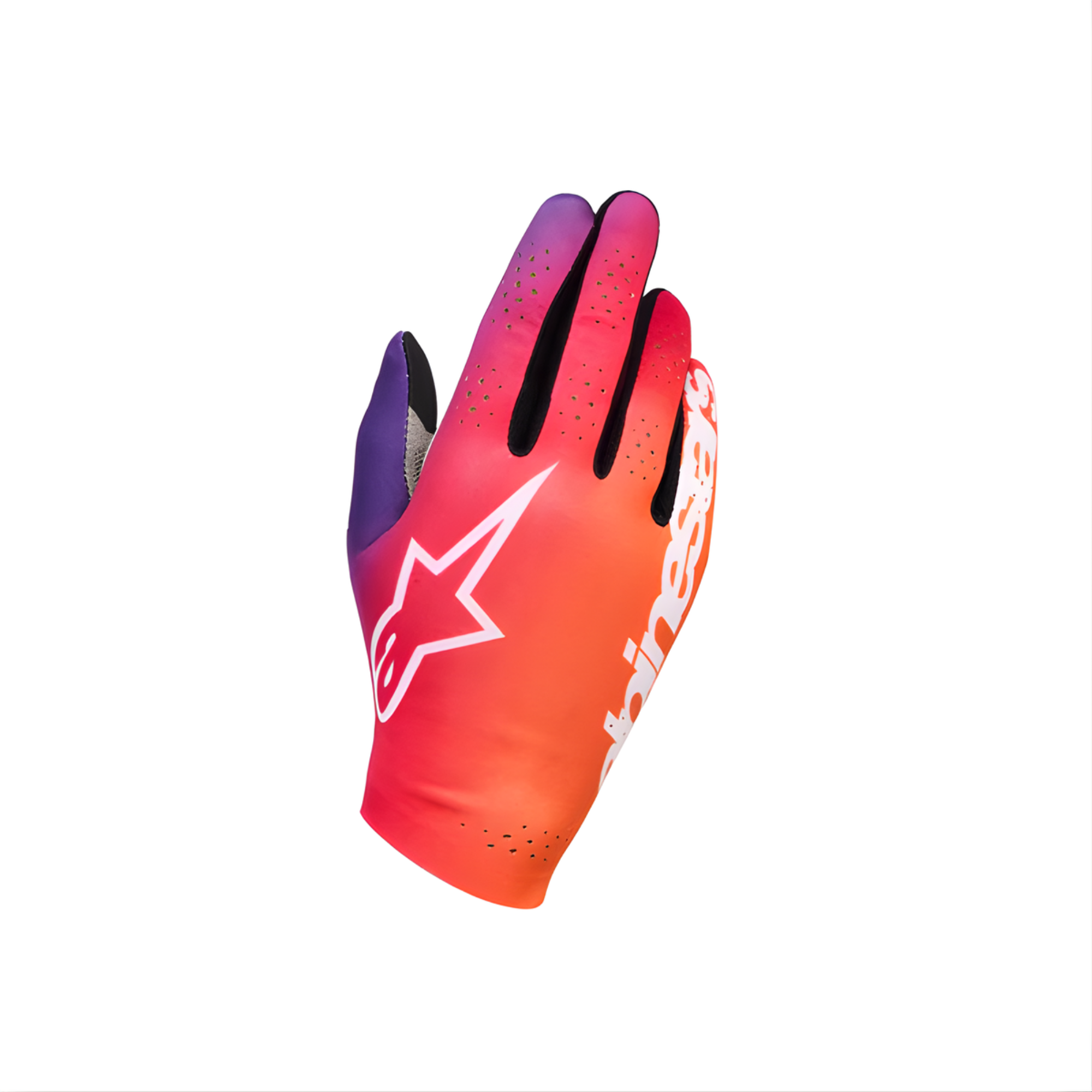
- What is Nomex? A flame-resistant meta-aramid material used in racing suits, gloves, and underwear.
- Do I need a roll cage for track days? Most entry-level events do not require one, but they become mandatory as you move into competitive wheel-to-wheel racing, and some time-based events may require one. You will need a helmet; however, for most track days, and depending on the event, they may require a certain safety rating. Need a new helmet? Check out our helmets in stock.
The “Big Ones” - Formula 1 & Professional Racing
- What is DRS? Drag Reduction System. An adjustable rear wing that opens to reduce aerodynamic drag and increase top speed for overtaking.
- What is a "box" in F1? The command for a driver to come into the pits (from the German Boxenstopp).
- What do the different flag colors mean? While there are a variety of flags, there are four main ones. A green flag means the track is clear. The yellow flag means there is danger ahead, the driver must slow down, and is prohibited from overtaking. A double yellow means the track is partially or fully blocked. A red flag means racing (or any other event) has stopped immediately. This can be due to an accident, extreme weather, or other causes. Drivers must safely reduce speed and return to the pits or designated area. If you are wondering what the different flag colors mean for a local event, please consult with the race tech for your event or track staff.
- What is a "parc fermé"? A secure area where cars are kept after qualifying or a race to prevent teams from making unauthorized mechanical changes.
- What is "marbles" on a track? Small pieces of discarded tire rubber that accumulate off the racing line which can reduce grip.
Down in the Weeds - Technical & Mechanical
- What is "downforce"? Aerodynamic pressure that pushes the car into the track, allowing for higher cornering speeds.
- What is the difference between a slick tire and a treaded tire? Slicks have no grooves to maximize the "contact patch" on dry pavement; treaded tires (wets) channel water away. The tires we drive every day are treaded tires, designed for all-season driving. Summer tires are also available for some cars and provide a slicker surface, but because they lack grooves, they can only be used during the summer. There are also specific tires for drag racing and various other racing disciplines!
- What is "scrubbing" tires? Driving zig-zag or braking hard to heat the rubber to its optimal operating temperature.
- What is a "sequentially shifted" gearbox? A transmission where you click forward or back to change gears in order, rather than using an H-pattern.
- What is "camber" in suspension tuning? The angle of the wheels relative to the ground when viewed from the front.
Before You Get Off (the Start) Line - Culture & Strategy
- What is a "Customer Team"? In series like Formula 1, a customer team (e.g., Haas or Williams) buys major components such as engines and gearboxes from a "Manufacturer" or "Works" team (e.g., Ferrari or Mercedes) rather than building them in-house.
- What is "dirty air"? Turbulent air left behind a leading car that makes it difficult for a following car to maintain downforce.
- What is an "undercut" in pit strategy? Pitting earlier than a rival to use fresh tires and set faster laps to jump ahead when the rival eventually pits.
- What is a "paddock"? The area behind the pits where teams set up their transporters, hospitality, and workspace.
- What is the "Triple Crown of Motorsport"? Winning the Monaco Grand Prix, the 24 Hours of Le Mans, and the Indianapolis 500.
There you go! 25 common motorsports questions answered.